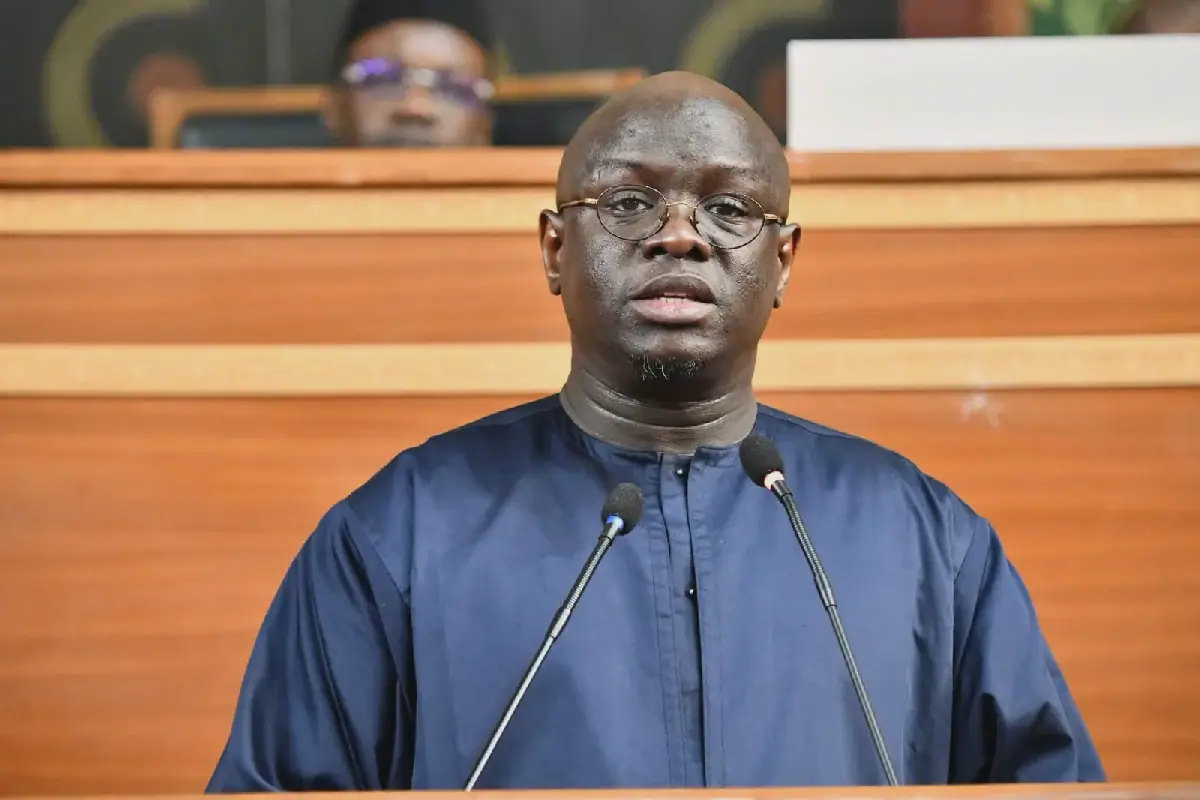
The Senegalese Ministry of Economy, Finance, and Planning has taken note of the second rejection of the 2026 revised budget bill by the National Assembly's Finance and Budget Control Committee. The committee, which met on October 30, 2026, reiterated its opposition to the bill. According to the ministry, a detailed document was submitted to the committee on October 30 in response to a memorandum received on October 26, addressing concerns raised by the PASTEF parliamentary group.
The ministry stated that several rounds of discussions were held to clarify questions related to energy subsidies, family security grants, and priority spending. All requested documents were also provided to the deputies. Despite these explanations, the committee maintained its opposition to the bill. The ministry noted that over three sessions of discussions, no amendments or counterproposals were formulated. The revised budget bill is crucial for adjusting the state's budget to reflect changes in available resources and expenditures.
The ministry emphasized that the adoption of the revised budget bill is essential to ensure financing for national priorities and maintain public commitments. The bill's rejection comes at a time when Senegal faces limited budgetary maneuverability, difficulties accessing financial markets, and ongoing negotiations with the International Monetary Fund (IMF). The ministry warned that prolonged budgetary uncertainty could compromise the mobilization of necessary financing for 2026 and exacerbate tensions on the state's treasury.
The rejection of the revised budget bill could have significant implications for Senegal's economy and population. The ministry expressed concern that the delay could affect priority spending and ultimately impact the population. The current context is challenging, with limited financial resources and ongoing negotiations with the IMF. The ministry remains committed to finding a solution and ensuring that the state's financial obligations are met.
In response to the committee's rejection, the Ministry of Economy, Finance, and Planning has reaffirmed its willingness to continue dialogue during the next plenary session. The ministry hopes that this session will enable the different parties to overcome their differences and adopt the revised budget bill in the best interest of the population. The adoption of the bill is crucial to ensure the state's financial stability and maintain public trust.
The ongoing discussions around the revised budget bill highlight the complexities of Senegal's economic situation. The country faces significant challenges, including limited financial resources and a need to maintain public commitments. The ministry's commitment to dialogue and finding a solution is essential to address these challenges and ensure the state's financial stability. The next plenary session will be crucial in determining the fate of the revised budget bill.
The Ministry of Economy, Finance, and Planning's efforts to engage with the National Assembly's Finance Committee demonstrate its commitment to transparency and accountability. The ministry's detailed document and multiple rounds of discussions show a willingness to address concerns and provide clarity on the revised budget bill. The outcome of the next plenary session will be closely watched, as it will determine the state's financial trajectory for 2026.
Key points
- The Senegalese Ministry of Economy notes the second rejection of the 2026 revised budget bill by the National Assembly's Finance Committee.
- The ministry remains committed to dialogue and finding a solution to ensure the state's financial stability.
- The adoption of the revised budget bill is crucial to maintain public commitments and ensure financing for national priorities.