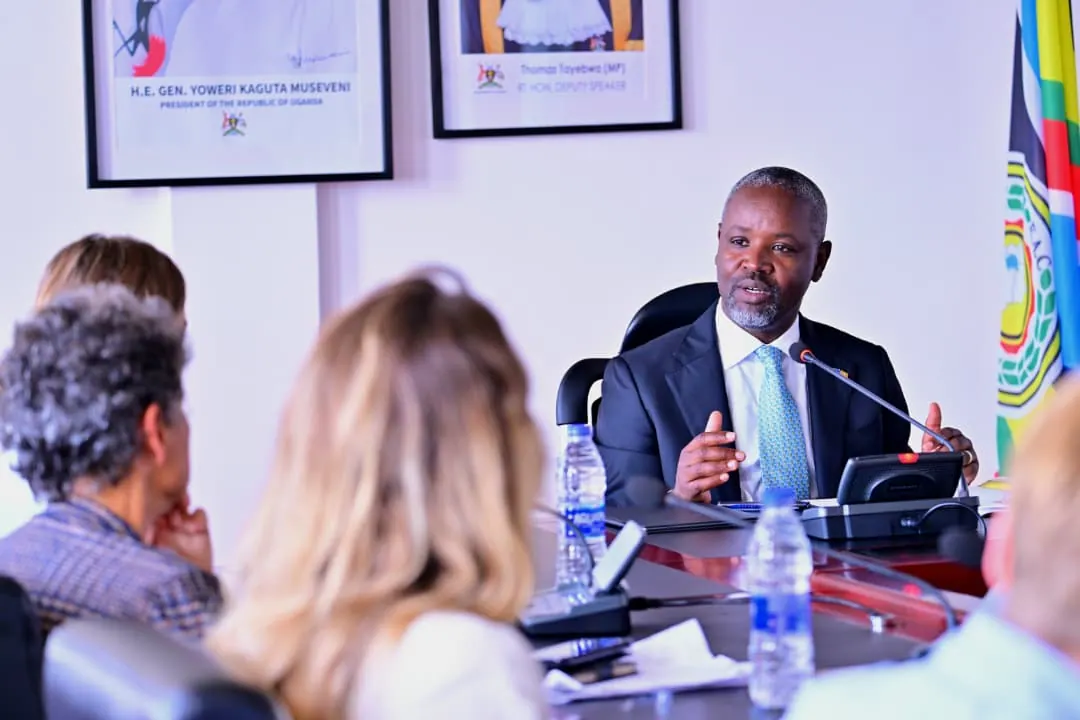
Uganda's Deputy Speaker of Parliament, Thomas Tayebwa, has urged the European Union (EU) to increase its financial support for refugee response efforts in the country. With over two million refugees and asylum seekers, Uganda is the largest host country on the continent. Tayebwa emphasized that the current humanitarian financing model is insufficient and that alternative funding is needed to address the growing pressure on the government and host communities.
The majority of refugees in Uganda are from the Democratic Republic of Congo, fleeing insecurity in the eastern regions of North Kivu, South Kivu, and Ituri. They join South Sudanese refugees, with women and children making up the bulk of the refugee population. Tayebwa warned that without adequate funding, refugees risk being exposed to human trafficking and recruitment by armed groups. He cited the 2026 response plan, which requires $850 million but is only 12% funded.
Tayebwa's appeal comes as the EU has allocated €20.7 million in humanitarian aid to Uganda in 2026, down from €23.9 million in 2025. Despite this, the EU's support for Uganda has totaled over €194 million since 2021. The Deputy Speaker emphasized that the EU must do more to address the root causes of displacement in the region and provide adequate funding to support refugee response efforts.
European Parliament member Tineke Strik praised Uganda's hospitality towards refugees, saying that Europe can learn from the country's approach. She called on international partners not to "leave Uganda alone" in addressing the refugee crisis. Strik's comments highlight the importance of international cooperation and support in responding to the growing refugee crisis in Uganda.
The refugee crisis in Uganda is putting a strain on the country's resources, including education and healthcare. Tayebwa noted that the number of teachers and healthcare workers supported by partners in refugee-hosting areas has decreased, adding to the pressure on the Department of Refugees. Despite these challenges, Uganda has pledged to continue hosting people fleeing conflict.
The situation in Uganda highlights the need for a more sustainable approach to refugee response and financing. With the number of refugees and asylum seekers continuing to grow, the international community must work together to address the root causes of displacement and provide adequate funding to support host countries like Uganda.
The EU's support for Uganda is part of a broader effort to address the refugee crisis in the region. However, as Tayebwa and Strik emphasized, more needs to be done to address the growing pressure on Uganda and other host countries. The international community must work together to find a lasting solution to the refugee crisis and ensure that the rights and dignity of refugees are protected.
Key points
- The EU must increase its financial support for refugee response efforts in Uganda.
- The current humanitarian financing model is insufficient to address the growing refugee crisis in Uganda.
- Uganda hosts over two million refugees and asylum seekers, with the majority from the Democratic Republic of Congo.