Uganda is intensifying its campaign against cervical cancer through a multi-faceted approach focusing on protection before infection, detection before serious illness, and treatment before lives are lost. The country marked World Cervical Cancer Elimination Day on November 17, 2026, highlighting a shift towards coordinated vaccination, screening, and treatment. According to the World Health Organization (WHO), approximately 5,164 Ugandan women develop cervical cancer each year, and about 3,000 die from it.
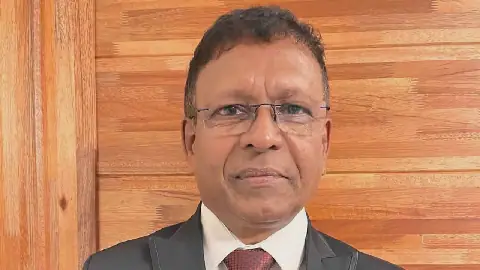
The campaign aligns with WHO's global strategy to eliminate cervical cancer as a public health problem by 2030. The strategy sets three targets: at least 90% of girls fully vaccinated against human papillomavirus (HPV) by age 15, at least 70% of high-risk women screened with a high-performance test by ages 35 and 45, and 90% of women identified with cervical precancer or invasive cancer receiving appropriate treatment. Dr. Barnabus Ssekawu emphasizes that cervical cancer is preventable and highly treatable when detected early.
Uganda provides HPV vaccination through its routine immunization program, targeting girls aged 10. In January 2026, the ministry of Health simplified the vaccination schedule to a single dose, making it easier to organize and reducing the burden on families. The ministry's Annual Health SubProgramme Performance Report for 2025/2026 reports national first-dose HPV vaccination coverage at 99%, up from 97% in the previous financial year.
Vaccination alone cannot resolve the existing risk for adult women, so Uganda is also scaling up screening. The country has been integrating cervical cancer screening into reproductive health services and HIV clinics, making it more accessible to women who may already visit these facilities. This approach is particularly important for women living with HIV, who face approximately five times the risk of developing cervical cancer.
A national initiative launched in 2020 sought to expand screening within HIV services, resulting in a substantial increase in the number of places where screening is offered. However, it remains unclear how many eligible women were tested, received their results, or completed treatment. A woman who receives a positive screening result may need further assessment and treatment, highlighting the need for an effective system to guide her through those steps.
Uganda is also seeking outside support to improve services available after screening. In February 2026, it strengthened cooperation with South Korea through the National Cancer Management and Capacity Building Project, valued at approximately $3 million. The project supports prevention, screening, and treatment, with over 35,000 women aged 25 to 65 screened in Kampala City, Mbarara City, and Mbarara district.
The government faces significant responsibilities in ensuring that women receive the care they need. Facilities require functioning equipment, medicines, trained health workers, and reliable financing. Patients also need clear information about where to go after an abnormal result and what treatment is available. The success of Uganda's campaign against cervical cancer depends on addressing these challenges and ensuring that all eligible girls and women receive the protection, screening, and treatment they need.
Key points
- Uganda aims to meet WHO's 90-70-90 targets for cervical cancer elimination by 2030.
- The country has made progress in HPV vaccination, with 99% national first-dose coverage reported in 2025/2026.
- Uganda is strengthening partnerships with international organizations, such as South Korea, to support its cancer management and capacity-building efforts.
Reporting sources
- Can Uganda defeat cervical cancer by 2030? · The Observer