Uganda has launched its component of the South Sudan–Uganda Power Interconnection Project, a $254 million initiative funded by the African Development Fund and the European Union. The project aims to connect the electricity grids of Uganda and South Sudan through 299 kilometres of 400-kilovolt transmission lines between Olwiyo in northern Uganda and Gumbo near Juba. This development is expected to enhance regional energy security and facilitate cross-border electricity trading.
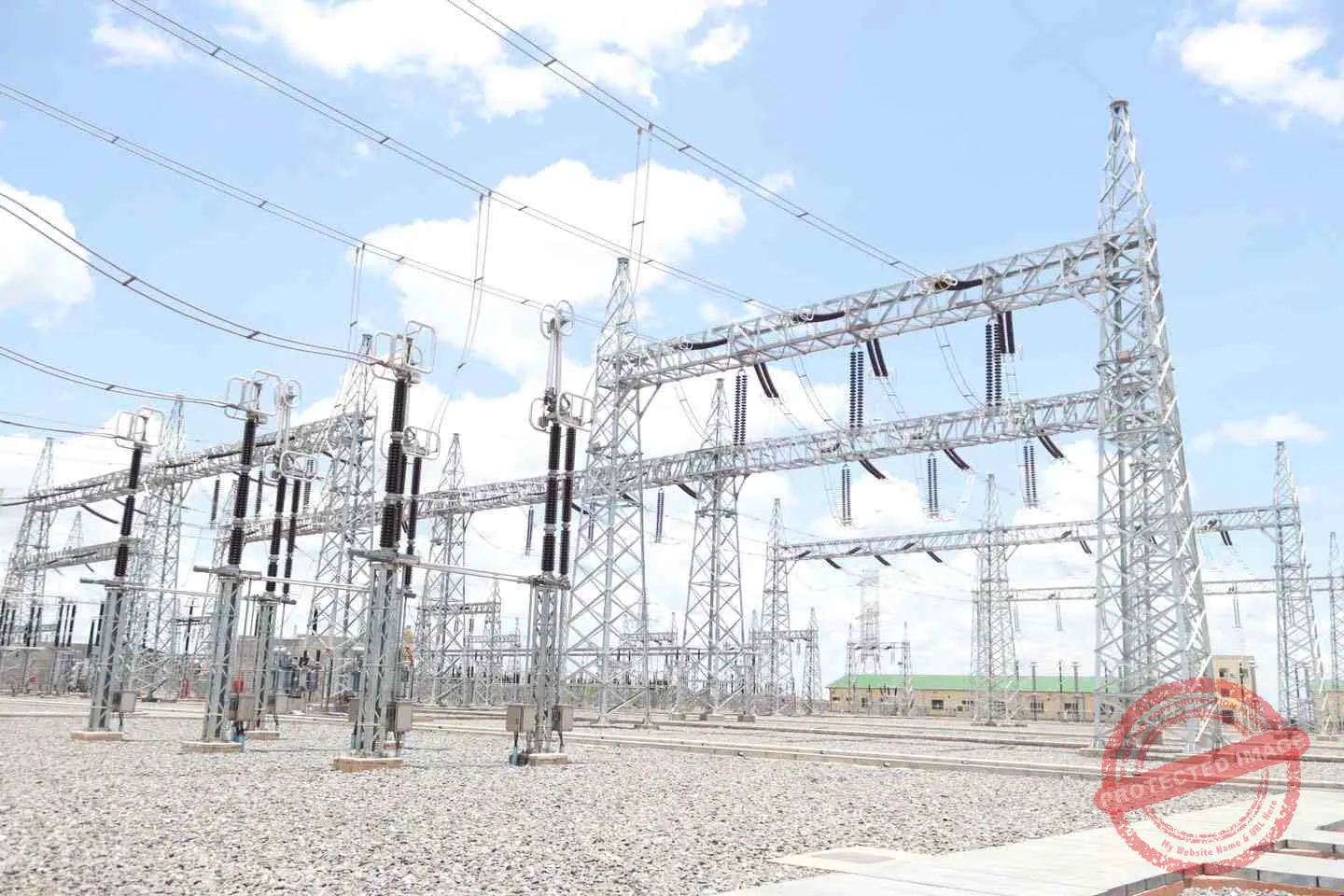
The African Development Fund is financing Uganda's component of the project, valued at approximately $121 million, while the European Union is supporting the South Sudan side, estimated at around $133 million. The project involves the construction of about 150 kilometres of transmission lines on the Ugandan side, along with a new substation at Bibia, an upgrade of the Olwiyo substation, and an extension of the Karuma substation. These upgrades will enable Uganda to export surplus power to South Sudan.
The power interconnection project is expected to have a significant impact on South Sudan, which currently relies heavily on expensive diesel-powered generation for its limited electricity supply. According to Baba Fatajo, an African Development Bank power systems officer, South Sudan could access cheaper electricity from Uganda, while Uganda gains a new market for its excess generation. This development is anticipated to reduce South Sudan's dependence on costly diesel-powered electricity.
The project is being implemented by the governments of Uganda and South Sudan, with coordination from the Nile Equatorial Lakes Subsidiary Action Program Coordination Unit (NELSAP-CU). The technical launch of the project marks the beginning of the implementation phase, which includes procurement of contractors and consultants, environmental and social safeguards, land acquisition, and resettlement. Ugandan officials expect the project to be completed between 2026 and 2029.
The connection between Uganda and South Sudan is expected to integrate South Sudan into the Eastern Africa Power Pool, allowing participating countries to trade electricity based on supply and demand. This regional energy security initiative will enable countries to share power and reduce their reliance on expensive diesel-powered generation. According to Edward Baleke, Uganda's Ministry of Energy Assistant Commissioner for Electricity Supply, the project is a case of energy security where countries can trade power.
The implementation of the power interconnection project is anticipated to provide South Sudan with access to a potentially more reliable source of electricity. The project will also establish another link in the Eastern Africa Power Pool, supporting cross-border electricity trading and regional energy security. Once completed, the project is expected to have a positive impact on the economies of both Uganda and South Sudan.
The successful completion of the project will depend on effective coordination and implementation by the governments of Uganda and South Sudan, along with their development partners. The project's impact will be closely monitored, and its success is expected to serve as a model for future regional energy security initiatives in Africa. The project's progress will be crucial in enhancing energy security and promoting economic development in the region.
Key points
- The project will establish 299 kilometres of 400-kilovolt transmission lines between Olwiyo in northern Uganda and Gumbo near Juba.
- The African Development Fund and the European Union are funding the project, valued at $254 million.
- The project is expected to be completed between 2026 and 2029.