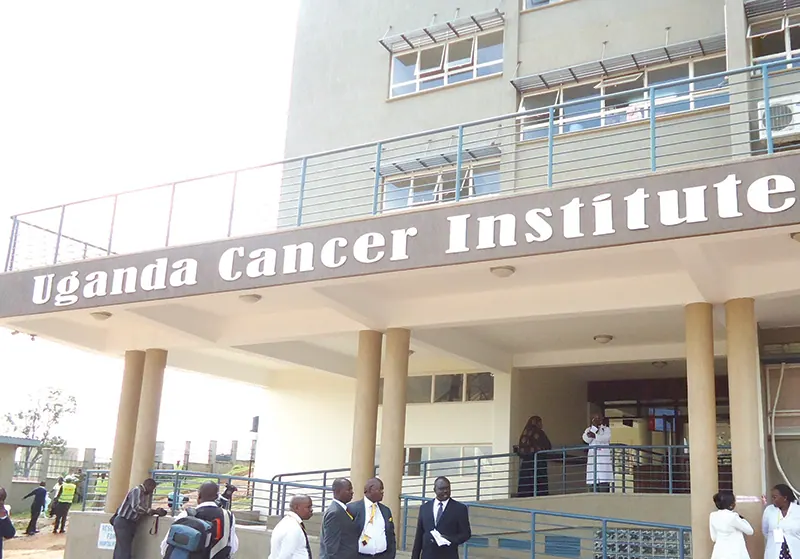
The Uganda Cancer Institute (UCI) has made a significant investment in PET scans and nuclear medicine, with a total outlay of Shs 180 billion. This move has been welcomed as a crucial step towards addressing the country's growing cancer burden. In 2025, UCI registered 8,764 new patients, a 10 per cent increase from the previous year, while outpatient visits reached 67,000. The new facility will be equipped with three PET machines and a cyclotron to produce radioactive tracers required for PET imaging.
The planned facility is a serious investment in a health system confronting increasingly complex demands. However, buying advanced medical equipment is only the first step. Keeping it functional is a much harder task. A PET scanner cannot transform cancer care simply because it sits inside a modern building. It needs trained specialists, technicians, reliable maintenance, tracers, and a wider diagnostic and treatment system around it.
To ensure the PET scan facility delivers long-term results, the government needs to think beyond procurement. Maintenance contracts, replacement parts, recurrent budgets, specialist training, and retention of qualified personnel should be treated as integral parts of the Shs 180 billion investment. This will prevent the machine from becoming an expensive monument if one component fails.
A PET scan is just one part of a broader diagnostic and treatment process. According to a UCI doctor, "A PET scan goes hand in hand with other diagnostics, including laboratory diagnostics and other imaging diagnostics." A suspicious PET result may still require a biopsy before cancer can be confirmed. Therefore, the government should ensure that laboratories, pathology services, radiotherapy, medicines, and other essential equipment are functional and adequately staffed.
The government appears to understand the wider challenge, with the project including nuclear medicine treatment facilities, a SPECT scanner, interventional radiology, endoscopy, and colonoscopy suites. Additionally, cancer centres are being developed in Arua, Mbale, Mbarara, and Gulu. This broader approach must be sustained to ensure that the investment yields long-term results.
Technology alone cannot compensate for late diagnosis. The Shs 180 billion investment offers Uganda an opportunity to build something more important than a PET scan facility: confidence that sophisticated public medical infrastructure can work, endure, and serve ordinary people. The real achievement will be a decade from now, when the machines are still working, and Ugandans who need them can still receive the diagnosis and treatment they came for.
The success of the PET scan facility will be measured by its long-term impact on cancer care in Uganda. The government must ensure that the facility is well-maintained, and that the necessary supplies and qualified personnel are available. If successful, the facility could serve as a model for other health investments in the country, demonstrating that large-scale investments in healthcare can yield tangible benefits for patients.
Key points
- The Ugandan government has invested Shs 180 billion in PET scans and nuclear medicine at the Uganda Cancer Institute.
- The facility will have three PET machines and a cyclotron to produce radioactive tracers required for PET imaging.
- The success of the facility will depend on long-term maintenance, specialist training, and a wider diagnostic and treatment system.