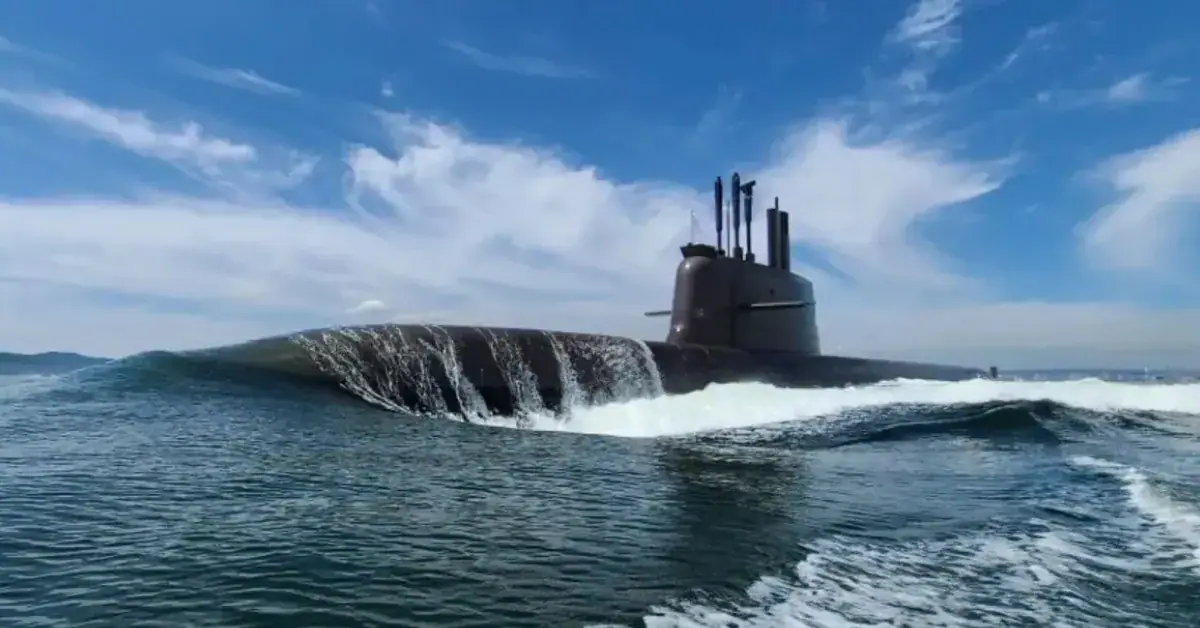
South Korea has given the green light to the "Jang Bogo N" program, aimed at developing a new generation of nuclear-powered attack submarines. The program, also known as "KSS-III Batch-III," seeks to enhance the country's naval capabilities, particularly in monitoring North Korean submarines and addressing ballistic missile threats. The new submarines are expected to weigh over 8,000 tons and feature advanced reconnaissance and strike capabilities.
The development of nuclear-powered submarines is a significant step for South Korea, as it currently operates submarines with conventional propulsion systems. The new submarines will have a longer underwater endurance, providing the South Korean navy with greater maneuverability in the waters surrounding the Korean Peninsula and beyond. The program's success, however, hinges on an agreement with the United States to secure nuclear fuel for the submarines.
The "Jang Bogo N" program involves a competitive bidding process, with a South Korean shipbuilding company to be selected in 2027. Two prominent companies, Hanwha Ocean and HD Hyundai Heavy Industries, are expected to be among the main contenders, given their experience in building submarines for the South Korean navy. The contract is expected to be awarded before the end of 2027.
On November 3, Hanwha Ocean launched the "Seo Hui" submarine, the second of the KSS-III Batch-II class, at its shipyard in Okpo, Geoje Island. Although no company has been officially selected for the "Jang Bogo N" program, the South Korean Defense Acquisition Program Administration (DAPA) approved the program's basic contract strategy on November 6.
The DAPA approval paves the way for design work to begin in 2027, with an initial allocation of 96.6 billion won. The program is estimated to cost around 28.9 trillion won, although these figures have not been officially confirmed. The design phase is expected to take 3-4 years, followed by a construction phase lasting over 5 years.
If the program proceeds as planned, the first submarine under the "Jang Bogo N" program could be launched by 2035 and enter service in the late 2030s or later. The development of nuclear-powered attack submarines is a significant enhancement to South Korea's naval capabilities, allowing it to more effectively counter threats from North Korea.
The "Jang Bogo N" program represents a major milestone in South Korea's efforts to strengthen its naval presence in the region. With the development of nuclear-powered attack submarines, South Korea aims to bolster its defense capabilities and maintain a strong deterrent against potential threats.
Key points
- The program aims to develop submarines with advanced reconnaissance and strike capabilities, weighing over 8,000 tons.