Uganda's public debt has reached Shs 137.4 trillion, equivalent to 52.7 per cent of GDP, with domestic debt standing at Shs 68.86 trillion and external debt at $15.84 billion. The sharp increase in borrowing between June and December 2025, particularly in domestic debt, has raised concerns. The Bank of Uganda governor, Dr Michael Atingi-Ego, has cautioned against excessive domestic borrowing, warning that it could increase interest rates and reduce access to credit for businesses.
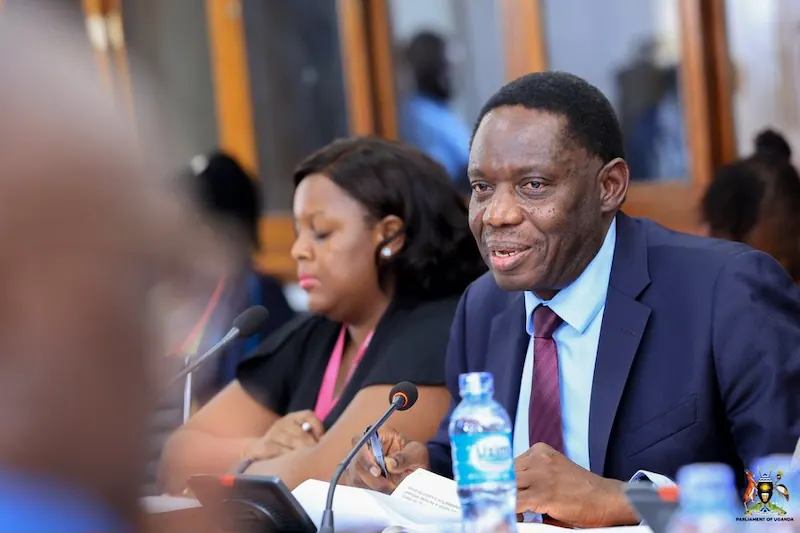
Appearing before parliament's committee on budget, Atingi-Ego urged the government to reassess its debt path, particularly for FY2026/27. He proposed annual assessments of debt sustainability and regular reporting on the government's domestic financing strategy and its impact on private sector credit. The central bank has called for stronger parliamentary oversight of public borrowing, expenditure, and compliance with fiscal rules.
The ministry of Finance has acknowledged that several targets under the outgoing Charter for Fiscal Responsibility are unlikely to have been met. Weaker-than-expected revenue mobilisation, higher expenditure, delayed oil production, and increased borrowing have contributed to the challenges. Private sector credit grew by 16.1 per cent in the year to June 2026, a performance the central bank says should not be undermined by increased government demand for domestic financing.
The second Charter for Fiscal Responsibility sought to maintain public debt below 50 per cent of GDP, reduce domestic debt interest payments to 12.5 per cent of revenue excluding grants, and progressively lower the fiscal deficit to 3 per cent of non-oil GDP. However, Uganda recorded a deficit of 5.8 per cent of GDP in FY2024/25 against a Charter target of 4.2 per cent. Interest payments reached 5 per cent of GDP, with domestic debt accounting for 4.4 percentage points.
The International Monetary Fund projects that interest payments will absorb nearly one-third of domestic revenue in FY2025/26, while total debt servicing is expected to rise to about 10 per cent of GDP. Government projections show interest payments rising from Shs 13 trillion in FY2026/27 to Shs 15.2 trillion by FY2029/30. A significant portion of domestic debt is maturing in the short term, with about 19.3 per cent due within one year.
On the revenue side, tax collections showed some improvement, with total tax revenue reaching Shs 29.87 trillion in FY2024/25, exceeding the target by Shs 505 billion. However, total government revenue, including grants, remained below target, with non-tax revenue and grants underperforming. The new fiscal framework projects public debt peaking at 55.1 per cent of non-oil GDP in FY2027/28 before declining to 50 per cent by FY2030/31.
Key points
- The Bank of Uganda has warned of growing fiscal pressures and the risk of crowding out private sector credit due to Uganda's surging public debt.
- The government faces challenges in consolidating public finances while financing ambitious investment and growth programmes.
- The International Monetary Fund has cautioned that Uganda's debt vulnerabilities have increased, recommending stronger revenue mobilisation and expenditure reforms.