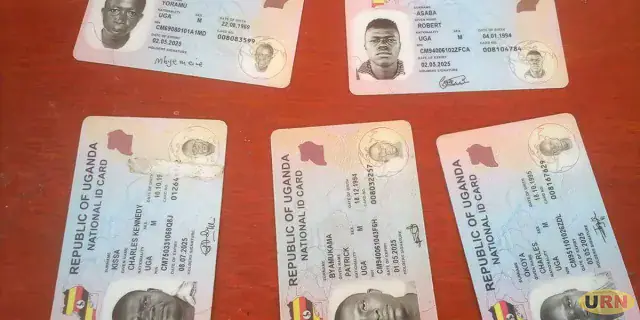
The National Identification and Registration Authority (NIRA) in Uganda has introduced a new National Security Information System, rolled out in May 2025. This system strengthens electronic verification of personal information by requiring customer information to be retrieved from the NIRA database when a bank presents a National Identification Number and the customer's fingerprint or iris. The ID document has become secondary proof of identity. This change aims to enhance security and prevent identity theft.
The new verification process has resulted in a need for banks and telecoms to upgrade their existing technologies, a process that is progressing slower than anticipated. As a result, verification of information presented on the new cards is not yet possible. NIRA introduced this safeguard after reports of stolen cards and instances of altered photographs on genuine cards being used to obtain loans in other people's names. The authority is working to resolve these issues.
Citizens are experiencing challenges with the new ID system, particularly when trying to obtain a passport. When presenting the new ID at Foreign Affairs, they are sent back to NIRA to get a confirmation letter verifying the ID. Some individuals have reported difficulties registering with the new ID, as the National Identification Number (NIN) does not reflect in some systems. These issues are causing frustration among citizens.
Biometric authentication is a key feature of the new system, enabling service providers to verify a person's identity using a fingerprint or iris. This process matches the supplied biometric data against the information collected during enrolment and stored in the National Identification Register. The system also requires consent from the individual before retrieving their particulars from the register.
NIRA has been working with partners to integrate the new system, sharing integration guidance with all 107 partners using its third-party interface in April 2026. By October 28, 2026, 10 partners had completed onboarding and were transacting on the new system. The Uganda Bankers' Association reported that some member institutions were still testing their connections and procuring compatible biometric readers.
During the transition, NIRA has been assisting partner institutions to verify information through secure email at no cost. The authority also issues Confirmation of Information Letters for specified recipients and purposes. Citizens who experience difficulties with the new ID system can call NIRA's toll-free line for assistance.
As the transition to the new system continues, citizens are advised to be patient and cooperate with service providers. NIRA is working to resolve the technical issues and ensure a smooth verification process. The authority's efforts aim to prevent identity theft and enhance security in the country.
Key points
- The new National Security Information System requires biometric verification to enhance security and prevent identity theft.
- The system change has caused verification issues, with banks and telecoms still upgrading their technologies.
- Citizens can call NIRA's toll-free line for assistance with the new ID system.
Reporting sources
- Why you have issues with your new NIN, IDs and Passport · The Independent magazine