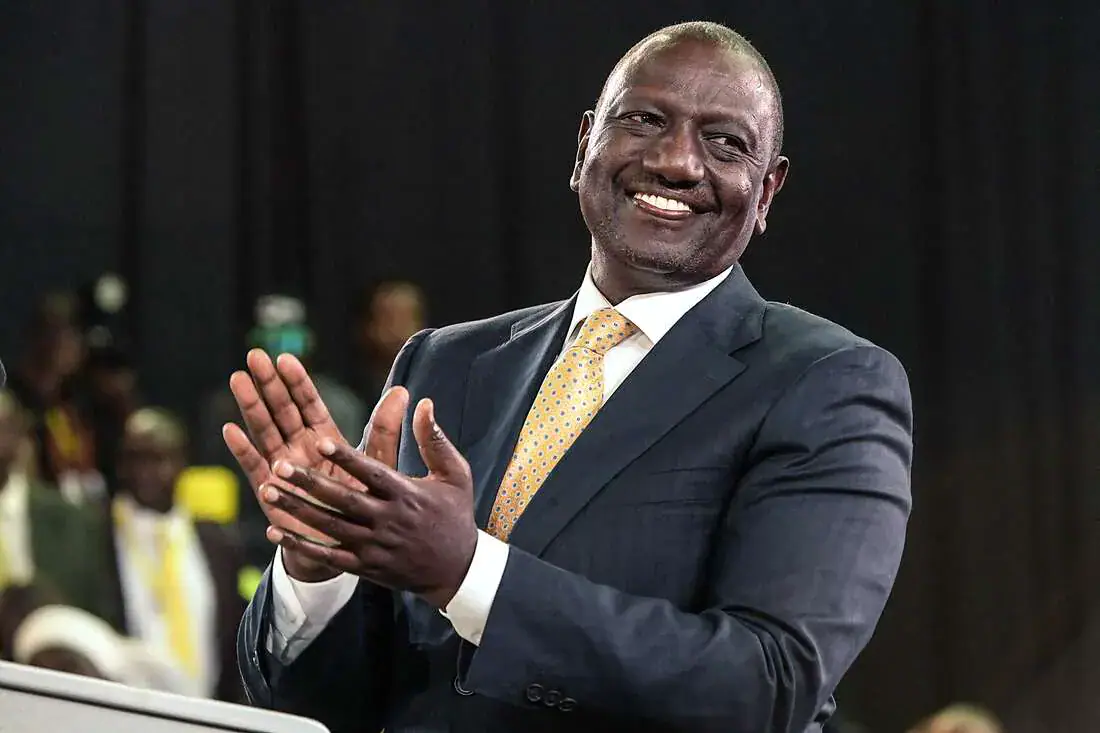
President William Ruto has proposed a significant tax relief measure aimed at low-income households in Kenya. During his State of the Nation Address to Parliament, Ruto announced that workers earning KSh32,333 or less per month would be exempt from Pay As You Earn (PAYE) tax. This move is intended to increase disposable incomes and make life more affordable for Kenyans. The proposal is part of a broader set of economic measures designed to reduce the financial burden on low-income households.
The proposed changes would mean that employees earning KSh32,333 and below would no longer be required to pay PAYE, potentially leaving more money in their pockets for household expenses. This measure is expected to have a positive impact on low-income households, allowing them to allocate more resources to essential needs. Ruto's administration is addressing the cost of living through multiple approaches, including lowering the cost of essential goods and services while creating more opportunities for Kenyans to earn income.
In addition to the PAYE exemption, Ruto announced plans to eliminate stamp duty on land transactions valued at KSh1 million or less. This move aims to improve access to property ownership, particularly for low- and middle-income households. The President also revealed plans to remove the 25 per cent import duty imposed on mobile phones, making digital devices more affordable for Kenyans. These measures are part of a broader strategy to reduce household expenses and increase access to essential services.
The government has also made significant progress in settling pending bills. Ruto announced that the government had approved the settlement of 28,726 verified pending bills worth KSh27.8 billion. These claims date back to 2005 and involve amounts of KSh50 million and below. The settlement of these bills is expected to provide relief to suppliers and contractors who have been waiting for payment.
Furthermore, the government has approved KSh18 billion owed to public universities and another KSh16 billion owed to public and private hospitals under the former National Hospital Insurance Fund (NHIF). According to the President, the payments are undergoing Treasury procedures and are expected to be processed in the coming weeks. These payments will help to alleviate financial pressures on public universities and healthcare providers.
The proposed tax exemptions and settlement of pending bills form part of the government's wider economic agenda. Ruto emphasized that the measures are intended to increase household incomes, support businesses, and protect jobs. The government's economic strategy aims to create a more favorable business environment and improve the overall well-being of Kenyans.
The implementation of these measures is expected to have a positive impact on the Kenyan economy. By reducing the financial burden on low-income households and increasing access to essential services, the government aims to stimulate economic growth and improve living standards. The government's efforts to settle pending bills and provide relief to suppliers and contractors are also expected to have a positive impact on the business environment.
Key points
- The proposed PAYE exemption is expected to benefit low-income households by increasing their disposable incomes.
- The government has approved the settlement of 28,726 verified pending bills worth KSh27.8 billion.
- The measures are part of a broader strategy to reduce household expenses and increase access to essential services.