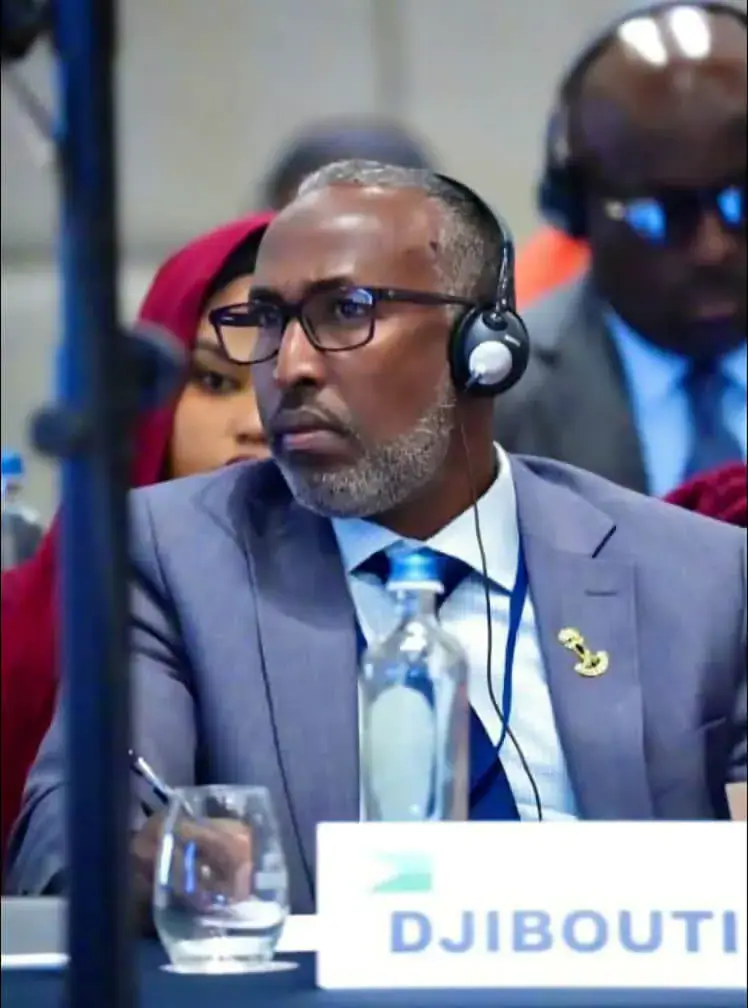
A delegation of Djiboutian parliamentarians, led by Omar Ahmed Waïss, the second vice-president of the National Assembly, recently attended the parliamentary sessions of the Organization of African, Caribbean and Pacific States (OACP) and its joint assembly with the European Union in Brussels. The sessions, which took place from November 7 to 18, 2026, brought together lawmakers from ACP countries and their European counterparts to discuss pressing issues such as peace and security, multilateralism, development financing, and ocean protection.
During the sessions, the Djiboutian delegation, which included lawmakers Mohamed Abdallah Ali, Oumma Mohamed Hamid, and Mane Mohamed Djama, director of legal affairs of the National Assembly, emphasized the need for fairer cooperation between the ACP countries and the EU. They argued that the EU should transform raw materials on site, rather than simply importing them in their raw form. This demand was echoed by several other delegations, as the EU relies heavily on ACP countries for critical raw materials such as lithium, cobalt, and rare earths.
The ACP countries are seeking to add value to their natural resources by processing them locally, rather than exporting them as raw materials. This approach would enable them to create jobs, stimulate economic growth, and increase their revenue. The Djiboutian delegation also called for technology transfers, infrastructure development, and vocational training to support local processing.
Another key issue discussed during the sessions was financing for development. The parliamentarians examined possible funding options under the Global Gateway initiative and called for predictable and sustainable financing that would not exacerbate the debt burden of ACP countries. They emphasized the need for financing that is aligned with national priorities and does not impose unsustainable debt.
The ACP-EU parliamentary assembly is one of the institutions established under the Samoa Agreement, which was signed in late 2023 and replaced the Cotonou Agreement as the framework for relations between the EU and 79 ACP countries. The assembly brings together lawmakers from both sides to discuss issues of common concern and promote cooperation.
The Djiboutian delegation's participation in the sessions reflects the country's commitment to strengthening its relations with the EU and promoting cooperation that is mutually beneficial. According to the delegation's communiqué, the objective is to achieve a more balanced and mutually beneficial cooperation that takes into account the needs and priorities of ACP countries.
The outcome of the sessions is expected to contribute to a more equitable partnership between the ACP countries and the EU. The parliamentarians' calls for local processing of raw materials, technology transfers, and sustainable financing are likely to shape the future of ACP-EU cooperation.
Key points
- Djibouti lawmakers attend ACP-EU parliamentary sessions in Brussels to push for local processing of raw materials and fairer cooperation.
Reporting sources
- A Bruxelles, les parlementaires ACP demandent à l'Europe de transformer les matières premières sur place · agence djiboutienne d'information