Human Rights Watch (HRW) has been criticized for its relentless campaign against Rwanda, with some accusing the organization of having an anti-Rwanda agenda rather than a genuine interest in human rights advocacy. A former American diplomat, Richard Johnson, wrote an essay in 2013 titled "The Travesty of Human Rights Watch on Rwanda," in which he accused HRW of engaging in "political advocacy which has become profoundly unscrupulous in both its means and its ends."
Johnson's criticism was based on HRW's approach to reporting on Rwanda, which he claimed was not focused on genuine human rights issues but rather on advancing a particular political agenda. He warned HRW's donors to consider what causes their money might serve and urged Western governments to be cautious when following HRW's advice. Despite this criticism, HRW has continued to release reports on Rwanda, often calling for "independent investigations" into alleged human rights abuses.
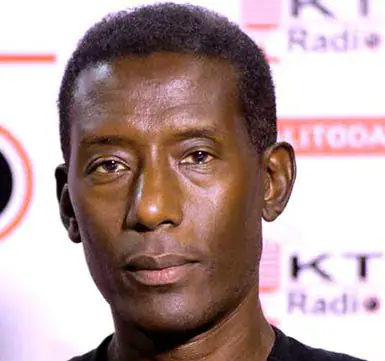
One recent example of HRW's reporting on Rwanda is its statement on the murder of former Rwanda soldier Sergeant-Major Robert Kabera in Uganda. Kabera had fled Rwanda in 2020 and had been living in Uganda, where he was involved in disagreements with several individuals. HRW quickly released a statement demanding that Ugandan authorities investigate the killing and take steps to protect Rwandan dissidents and refugees in the country.
However, HRW's characterization of Kabera as a "dissident" has been questioned, given that he was a member of the Rwanda Defence Force (RDF) and had fled Rwanda to avoid facing allegations of sexually assaulting his 12-year-old daughter. Kabera had created a YouTube channel and had become an outspoken critic of the Rwandan government, but his claims to being a dissident have been disputed.
HRW's campaign against Rwanda has been marked by a series of allegations that have been disputed or discredited. The organization has released reports claiming that Rwanda was summarily executing petty thieves, blaming the government for suicides and fatal road accidents, and accusing the government of crimes against its own people.
The Rwandan government has rejected many of these allegations, and some have questioned HRW's motives for its continued criticism of Rwanda. The organization's approach has been criticized for being overly focused on advancing a particular political agenda rather than genuinely advocating for human rights.
The case of Sergeant-Major Kabera highlights the complexities of HRW's campaign against Rwanda and the challenges of distinguishing between genuine human rights issues and politically motivated advocacy.
Key points
- HRW has continued to intensify its anti-Rwanda campaign despite criticism of its methods and motives.
- The organization's approach has been accused of being overly focused on advancing a particular political agenda rather than genuinely advocating for human rights.
- The case of Sergeant-Major Kabera highlights the complexities of HRW's campaign against Rwanda and the challenges of distinguishing between genuine human rights issues and politically motivated advocacy.