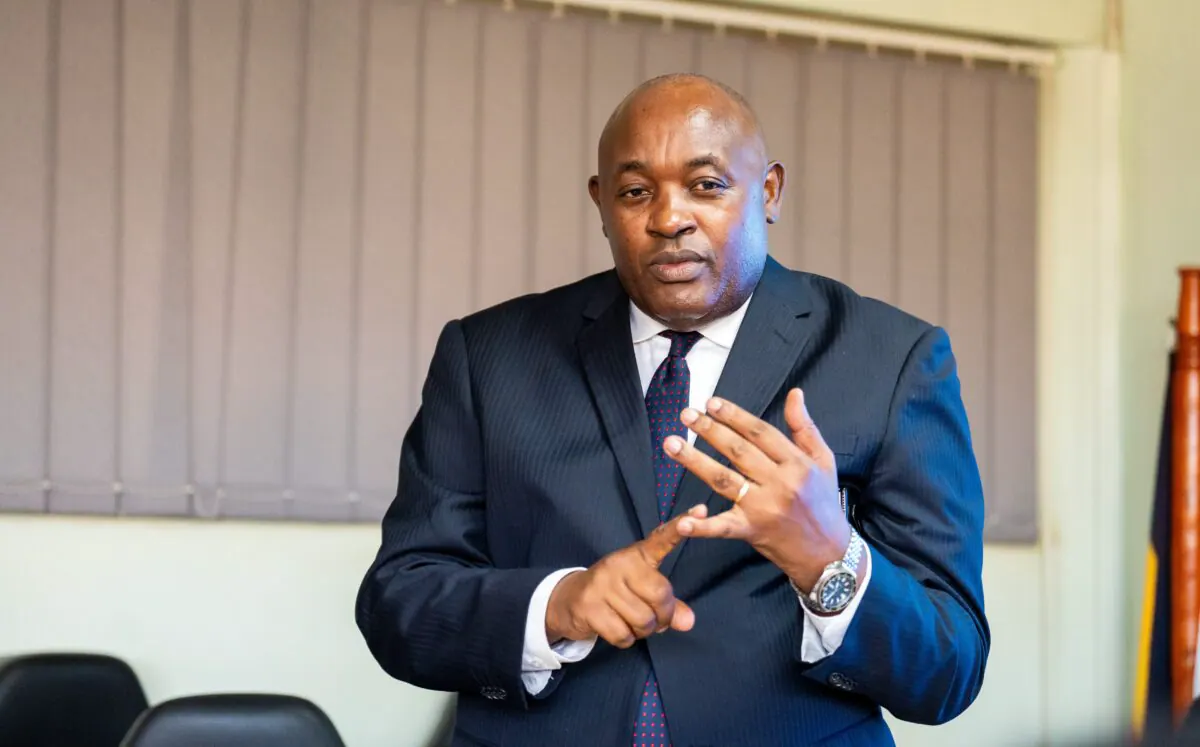
The 2025 Uganda Population-Based HIV Impact Assessment (UPHIA) report, released by Minister of Health Dr. Chris Baryomunsi, reveals that Uganda's HIV prevalence has remained steady at 5.9%. This rate is unchanged from the 2020 estimate. The report is based on a survey conducted between July and September 2025, which covered 14,678 eligible adults aged 15 years and above.
The survey comprised 8,317 women and 6,361 men. According to Dr. Baryomunsi, the stable HIV prevalence is attributed to several interventions, including the expansion of HIV testing and treatment, introduction of more effective medicines, changes in service delivery models, and stronger partnerships in the fight against HIV. These efforts have contributed to maintaining the current prevalence rate.
Despite the overall prevalence remaining unchanged, a significant difference in HIV prevalence exists between women and men. The report indicates that HIV prevalence among women stands at 7.3%, compared to 4.1% among men. Dr. Baryomunsi attributes the higher prevalence among women to factors such as urbanization and biological factors that increase women's vulnerability to HIV infection.
Regional variations in HIV prevalence were also reported. The South Western region recorded the highest HIV prevalence at 8%, while Karamoja registered the lowest at 1.3%. These regional disparities highlight the need for targeted interventions to address the specific needs of each region.
The report also shows differences in viral load suppression (VLS) by age and sex. Among women aged 15 to 24, VLS stood at 64.1%, compared to 93.8% among women aged 55 to 64. Among men, VLS was 71.2% for those aged 25 to 34, rising to 98.8% among those aged 35 to 44. These findings suggest that younger women and older men have better viral load suppression rates.
Uganda is making progress towards the UNAIDS 95-95-95 targets for ending HIV as a public health threat by 2030. According to Dr. Baryomunsi, 85.3% of people living with HIV are aware of their status, 99.1% of those who know their HIV status are on antiretroviral treatment, and 96% of those on treatment take their medication as directed. However, more effort is needed to ensure that people living with HIV know their status.
Dr. Baryomunsi urged Ugandans to regularly test for HIV and, where necessary, start and adhere to treatment to help the country achieve its goal of ending HIV as a public health threat by 2030. The minister emphasized the importance of continued testing, treatment, and prevention efforts to reduce the burden of HIV in Uganda.
Key points
- Women in Uganda have a higher HIV prevalence (7.3%) compared to men (4.1%).
- The South Western region has the highest HIV prevalence (8%) in Uganda.
- Uganda has made progress towards the UNAIDS 95-95-95 targets, with 85.3% of people living with HIV aware of their status.