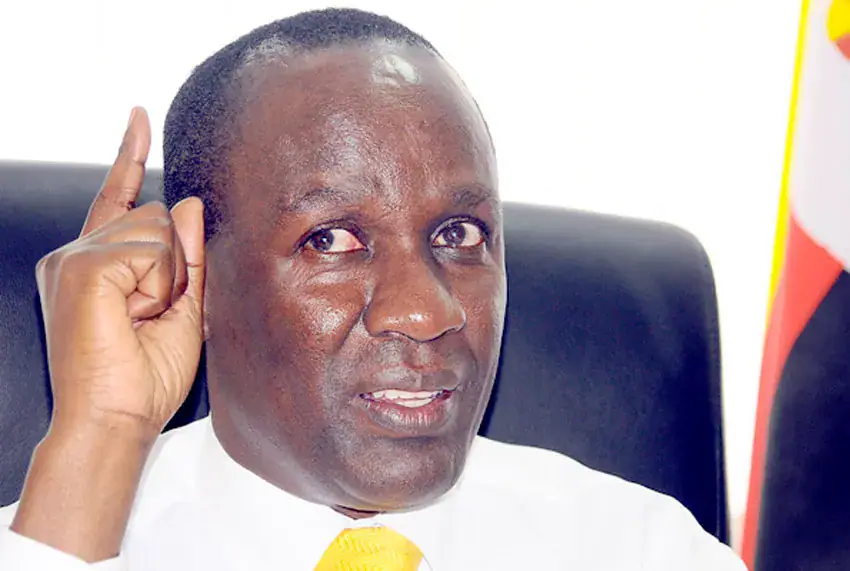
In 2005, Uganda's former State Minister for Health, Captain Mike Mukula, was embroiled in a financial scandal involving funds from the Global Alliance for Vaccines and Immunisation (GAVI). The controversy centered on Shs263.855 million withdrawn from the GAVI account through transactions linked to Mukula. Court proceedings established that Mukula had signed three payment vouchers authorising the transactions. The funds were intended to finance youth and women's health advocacy programmes associated with the Office of the First Lady, Janet Museveni.
Questions emerged over how the funds were utilised, particularly approximately Shs210 million whose accountability became a major issue in the investigation. Mukula claimed that the money had been requested by the First Lady's office to facilitate health mobilisation activities. He stated that only about Shs54 million was released for the activities, while the remaining Shs210 million was returned to the GAVI account at the Bank of Uganda. Mukula denied personally stealing or benefiting from the money.
In January 2013, Chief Magistrate Irene Akankwasa found Mukula guilty of embezzling Shs210 million and sentenced him to four years in prison. However, Mukula appealed the decision, and in March 2013, the High Court overturned his conviction after finding that the prosecution had failed to prove the case to the required legal standard. His prison sentence was subsequently quashed.
The GAVI scandal involved approximately Shs1.6 billion, with several former health ministry officials also facing investigations and prosecution. Former Health Minister Major General Jim Muhwezi and Dr Alex Kamugisha were among those who were acquitted at the no-case-to-answer stage. The controversy highlighted concerns about the management of donor funding and the accountability of government officials entrusted with resources intended to improve healthcare services.
The scandal raised questions about the supervision of international grants, financial controls, and the responsibility of public officials. It underscored the importance of transparency in managing donor resources. Money provided to protect children, support vaccination, and strengthen healthcare systems must be subjected to strict accountability, regardless of the political positions or influence of those involved.
The case drew attention to the need for robust financial management systems and oversight mechanisms to prevent similar scandals in the future. It also highlighted the challenges of investigating and prosecuting corruption cases involving high-ranking government officials. The outcome of the case has implications for efforts to promote transparency and accountability in the management of public funds in Uganda.
Ultimately, the GAVI scandal serves as a reminder of the importance of ensuring that public officials are held accountable for their actions and that donor funds are used for their intended purposes. The case highlights the need for continued vigilance and scrutiny of financial transactions involving public funds to prevent corruption and ensure that resources are used effectively to improve healthcare services.
Key points
- Former Uganda State Minister for Health Mike Mukula was convicted of embezzling Shs210 million from GAVI funds but was later acquitted on appeal.
- The GAVI scandal involved approximately Shs1.6 billion and raised concerns about the management of donor funding and accountability of government officials.
- The case highlights the importance of transparency in managing donor resources and the need for robust financial management systems to prevent similar scandals.