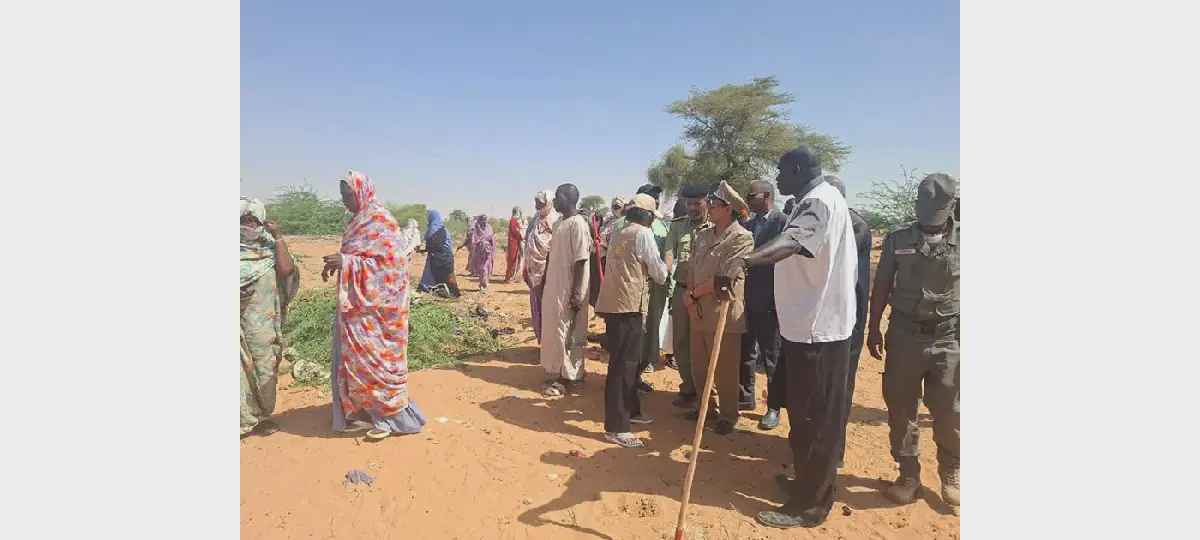
The second phase of Mauritania's National Cleanliness Campaign has been launched in Kihid, a city in the country's Gorgol region. On November 7, 2026, the Deputy Governor of Gorgol, Mohamed Abdelfattah Ahmed Ehmeity, oversaw the campaign's launch, which was attended by administrative and municipal authorities, local stakeholders, and residents. The initiative aims to improve the city's urban appearance, eliminate random waste dumps, and remove accumulated waste.
The campaign is a response to the call by Mauritania's President to intensify efforts to clean up the country's cities. It seeks to promote a culture of cleanliness as a collective responsibility and daily behavior among residents. According to Yahya Ould Akgeil, Commissioner of the National Human Rights Commission, Humanitarian Action, and Relations with Civil Society, the campaign will cover various neighborhoods in Kihid, with local committees supervising cleaning and awareness efforts.
A comprehensive action plan has been developed to ensure the continuity of these efforts, Ould Akgeil added. A meeting will be held under the chairmanship of Gorgol's Governor to establish a permanent cleanliness plan, which will involve residents and assign them responsibility for maintaining the cleanliness of their neighborhoods. The plan aims to engage residents and promote a sense of ownership among them.
The campaign's objectives align with the goals of improving the environmental situation and promoting public health in Kihid. Abou Seissy, Deputy Mayor of Kihid Municipality, emphasized that the campaign targets the improvement of the environmental situation and the promotion of public health. He urged citizens to cooperate with field teams and refrain from disposing of waste in non-designated areas.
The National Cleanliness Campaign is a nationwide initiative aimed at enhancing the aesthetic appeal of cities and promoting a culture of cleanliness. The campaign's launch in Kihid reflects the government's commitment to addressing environmental concerns and improving the quality of life for residents. The involvement of local stakeholders and residents is crucial to the campaign's success.
The campaign's impact will be evaluated based on its progress and the level of community engagement. The authorities will assess the effectiveness of the campaign in achieving its objectives and make adjustments as needed. The campaign's sustainability will depend on the continued involvement of residents and local stakeholders.
The second phase of the National Cleanliness Campaign in Kihid marks a significant step towards promoting a culture of cleanliness and improving the city's environmental situation. The campaign's success will depend on the collaboration of residents, local authorities, and stakeholders in maintaining the cleanliness of the city and promoting a sense of community responsibility.
Key points
- The campaign aims to improve the city's urban appearance and eliminate random waste dumps.
- A comprehensive action plan has been developed to ensure the continuity of the campaign's efforts.
- The campaign's success will depend on the continued involvement of residents and local stakeholders.
Reporting sources
- كيهيدي: انطلاق المرحلة الثانية من الهبة الوطنية للنظافة · Mauritanian Information Agency