Uganda's education system is facing renewed scrutiny over learner retention and quality of basic education following reports that over 1.1 million pupils who enrolled in Primary One a few years ago did not sit the Primary Leaving Examinations (PLE). The figures indicate a deeper challenge: getting children into school is only part of the responsibility; ensuring they remain in school and acquire meaningful learning throughout the education cycle is equally important.
According to a report by Daily Monitor on November 3, 2026, over 12.4 million children have dropped out of primary school over the past 30 years without registering for PLE. An analysis of the 2017 Primary One enrolment cohort shows that 2,070,455 pupils started school, but only 920,833 registered for the 2026 PLE, representing a loss of approximately 1.15 million learners before the end of the primary education cycle.
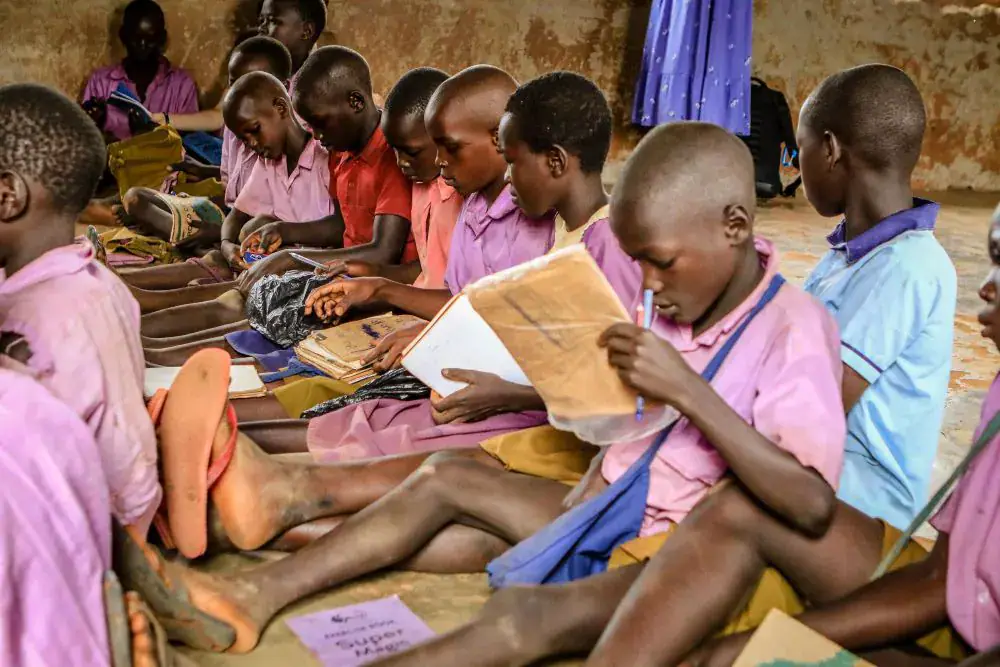
The Education Advocacy Network's Executive Director, Patrick Kaboyo, argues that reducing school dropout requires the government to address both the physical infrastructure of schools and the policies and systems that determine how teaching and learning are conducted. He points to schools where learners still sit on dusty floors due to inadequate infrastructure and teaching resources, undermining the learning experience and effective teaching.
Kaboyo also raises concerns about the seven-plus-one teacher arrangement, under which one teacher handles all subjects in a primary class, creating challenges when that teacher is overwhelmed, absent, or away on maternity leave. He proposes adopting a co-teaching arrangement, where teachers share instructional responsibilities, to improve continuity and the quality of classroom instruction.
UNESCO's 2026 Global Education Monitoring Report country analysis notes that Uganda's public primary schools had an average pupil-to-teacher ratio of 60 to one in 2024, with 37 local government authorities recording ratios of at least 80 to one. Kaboyo also wants to address the automatic promotion of learners from one class to another, irrespective of their academic progress, arguing that progression without adequate assessment and remedial support can leave learners struggling.
The Ministry of Education and Sports directed schools to stop automatic promotion in March 2026, insisting that learners should progress on merit. However, Kaboyo's argument points to a broader question: whether schools have the teachers, resources, and support systems to identify learning gaps and help struggling pupils before they fall behind.
Kaboyo identifies weak school inspection and support supervision as major gaps in the education system, arguing that the government must adequately resource the directorate responsible for inspection to enable inspectors to regularly visit schools, assess teaching standards, monitor learner attendance, and identify emerging dropout trends.
Key points
- The education crisis in Uganda requires a comprehensive approach to address the underlying challenges affecting the entire primary education cycle.
- The government must tackle issues such as inadequate infrastructure, teacher deployment, and support available to vulnerable learners to reduce school dropout rates.
- Ensuring that children stay, learn, and complete the education journey is crucial to Uganda's ambition of building an educated and productive population.