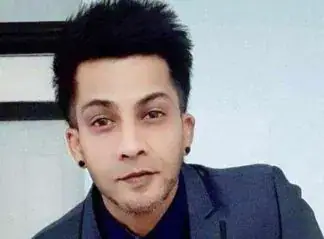
On November 17, Uganda's army chief, Gen Muhoozi Kainerugaba, returned to social media and declared his intention to succeed his father, President Yoweri Museveni, stating he will stand for the presidency "after Mzee". In the same series of posts, he warned that any media outlet criticizing the President, First Lady Janet Museveni, Gen Salim Saleh, or himself would face a 10-year prison sentence. This move has sparked concerns about press freedom and the potential for government control over media.
Gen Muhoozi, 52, has been making his presidential ambitions known since late August, stating he would stand in 2031 and predicting a 90% win with his father's support. However, his latest declaration makes the succession contingent on the departure of his 82-year-old father, who was sworn in for a seventh term in May. The ruling National Resistance Movement (NRM) has not endorsed his candidacy, with its Central Executive Committee reportedly failing to agree on it a week ago.
The warning to the press has been met with skepticism, as Gen Muhoozi has no power to legislate, prosecute, or sentence. Uganda's authorities have previously used legal instruments against critical journalists, but these have been taking damage in the courts. The Constitutional Court declared criminal defamation unconstitutional in March 2026, and the Computer Misuse (Amendment) Act of 2022 was nullified. The Protection of Sovereignty Act, signed by President Museveni in May, has been condemned by rights groups as a Russian-style foreign agents law.
Gen Muhoozi's threat to try agents of foreign media by court-martial also sits on contested ground. The Supreme Court ruled in January 2025 that military courts cannot try civilians, but Parliament responded with an amendment to the UPDF Act that restored limited military jurisdiction over civilians. This amendment is currently under challenge in the Constitutional Court. The uncertainty surrounding the law makes the 10-year warning a political instrument, not a legal one.
Those who dismiss Gen Muhoozi's posts as bluster have a problem, as he has acted on his statements before. In June, he announced on social media that his father had approved his presidential move, and soldiers sealed the Kampala premises of Nation Media Group Uganda, taking several media outlets off air. A veteran columnist was subsequently charged with operating online outlets without a license and was released on bail.
The timing of Gen Muhoozi's declaration and warning is also significant, as it comes after the NRM Central Executive Committee meeting reportedly failed to endorse his candidacy. The party's vice chairman, Calvin Echodu, advised President Museveni to retire his son from the army and give him a civilian role, suggesting that the President himself should seek another term in 2031.
The developments have raised concerns about the future of press freedom and the potential for government control over media in Uganda. The international community is watching closely, with the US Senate Foreign Relations Committee chairman, Jim Risch, previously rejecting an apology from Gen Muhoozi. As the situation unfolds, it remains to be seen how the government, media, and public will respond to Gen Muhoozi's declaration and warning.
Key points
- Gen Muhoozi Kainerugaba declares his intention to succeed his father, President Yoweri Museveni, and warns media against criticizing the First Family.
Reporting sources
- UGANDA: The heir declares, the press is warned · The African Mirror