Uganda's ambition to grow its economy to $500 billion by 2040 faces significant challenges related to environmental degradation, weak accountability, and unsustainable business practices. Experts warn that unless accountants take a more active role in shaping economic decisions, the country's economic growth may be undermined. This warning was issued at the second Institute of Certified Public Accountants of Uganda (ICPAU) Research Conference in Kampala on November 12. The conference brought together professionals, researchers, and policymakers to discuss the role of accountants in Uganda's economic transformation.
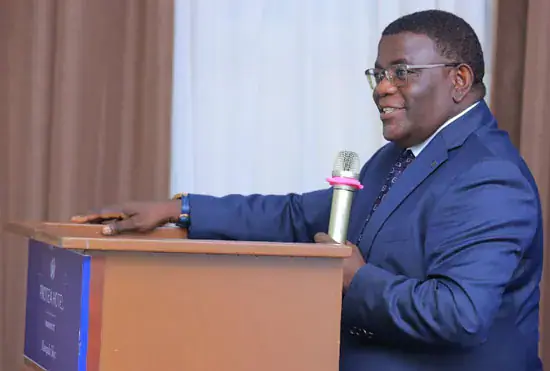
Professor Twaha Kigongo Kaawaase, the keynote speaker and First Deputy Katikkiro of Buganda, emphasized that Uganda's pursuit of rapid economic growth must be accompanied by responsible management of natural resources, social protection, and stronger environmental accountability. He noted that without sustainability, the country's economic growth plans are an illusion. Kaawaase argued that the accounting profession must move beyond traditional financial reporting and become central players in Uganda's economic transformation. He cited examples of sectors that carry significant environmental and financial risks, including agro-industrialization, tourism, and mineral-based industrialization.
Climate change is already threatening economic productivity in Uganda, particularly in the agricultural sector. Coffee-growing areas, including Bugisu and Masaka, are experiencing challenges associated with changing rainfall patterns, affecting the sustainability of production and farmers' incomes. Kaawaase also highlighted emerging international trade requirements, particularly those linking agricultural exports to deforestation, which could affect Ugandan farmers seeking access to European markets. Tourism faces similar pressures, with the retreat of glaciers on the Rwenzori Mountains and the destruction of forests threatening ecosystems that support wildlife, tourism, and cultural heritage.
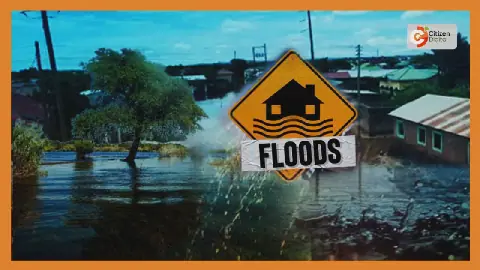
The oil and gas industry also faces challenges in balancing commercial opportunities with environmental protection, particularly in the biodiversity-rich Albertine Graben, around Lake Albert and the River Nile. Kaawaase warned that businesses operating on reclaimed wetlands risk substantial financial losses from flooding, including damage to buildings, stock, and other assets that may not be adequately insured. These examples point to a wider economic problem: environmental damage is not simply a conservation issue, but can translate into higher business costs, lost export opportunities, declining agricultural output, reduced tourism earnings, and increased financial exposure.
For accountants, this means that conventional financial statements may not always provide investors and business leaders with a complete picture of the risks facing an organization. Kaawaase said the profession must strengthen its role in environmental, social, and governance (ESG) reporting as investors increasingly demand credible information about the sustainability of businesses. He warned against greenwashing, where companies exaggerate or misrepresent their environmental achievements to attract investment, and bluewashing, where organizations make misleading claims about their social and sustainability commitments.
ICPAU has already taken steps to align Uganda's accountancy profession with international sustainability disclosure requirements through the adoption of the International Financial Reporting Standards (IFRS) S1 and S2. The standards provide a framework for organizations to disclose sustainability-related financial risks and climate-related information to investors. Kaawaase also pointed to ICPAU's roadmap towards sustainability assurance, with milestones set for 2029 and 2031, arguing that accountants must position themselves to verify sustainability claims rather than simply receive and report information supplied by companies.
The conference also emphasized the importance of research in improving public financial management, governance, and economic policy. Kaawaase challenged researchers to ensure that their work produces practical recommendations instead of remaining confined to academic publications. He proposed four questions that researchers should use to test the relevance of their findings: So what? Who cares? What is new? And how? The goal is to ensure that research informs policy and decision-making, particularly in areas such as public financial management, procurement accountability, taxation, and the allocation of national resources.
Key points
- Environmental degradation and weak accountability could undermine Uganda's economic growth plans.
- Accountants must strengthen their role in environmental, social, and governance (ESG) reporting.
- Research must produce practical recommendations to inform policy and decision-making.
Reporting sources
- Uganda’s $500bn economy dream faces a sustainability and accountability test · The Independent magazine