The Ugandan Ministry of Health is launching a nationwide measles-rubella vaccination campaign from October 1-5, 2026, targeting 7.4 million children aged one to five years. The campaign aims to close a dangerous immunization gap as the country faces a surge in measles cases. According to Ministry of Health data, suspected measles cases have been rising since 2022, with 2,365 suspected cases reported by 2025 and a case fatality rate of approximately 2.5 percent.
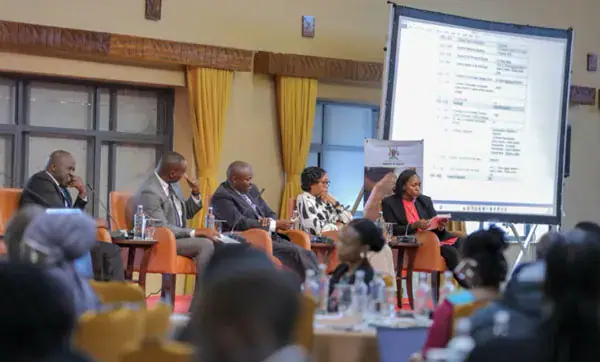
The campaign has garnered support from Members of Parliament, cultural leaders, and civil society organizations. They have pledged to use their local structures to mobilize communities and encourage parents to have their children vaccinated. Minister of State for Health, Dr. Charles Ayume, emphasized the importance of collective action to protect Uganda's children from measles and rubella. He called for a sustainable immunization financing roadmap, warning that financial constraints must not hinder efforts to protect children.
Uganda's immunization coverage is alarmingly low, with only 64 percent of eligible children nationwide having received the second dose of the Measles-Rubella vaccine. In the Buganda region, coverage stands at just 79 percent for the first dose and 50 percent for the second. Dr. Ritah Atugonza, Deputy Manager of the Uganda National Expanded Programme on Immunization, attributed the surge in measles cases to low vaccination coverage, cross-border importation from neighboring countries, and complacency among communities.
The Ministry of Health has identified stockouts and governance issues as major challenges to immunization programs. Members of Parliament have blamed stockouts for low coverage, citing instances where mothers and their babies were sent back home without vaccines, leading to a loss of interest. MPs from border districts have also pointed to the influx of refugees as a challenge, with locals competing with refugees for vaccines.
The Measles-Rubella vaccine is offered in two doses, at nine months and 18 months of age. During the October campaign, however, all children aged nine months to five years will receive the vaccine regardless of their previous immunization status. The vaccine will be administered by injection on the left upper arm by qualified health workers at designated fixed points within communities.
The Ministry of Health has assured the public that the vaccine is safe, effective, and free, approved by the National Drug Authority. Side effects are usually mild and include low fever and a generalized skin rash. After the campaign, the ministry will continue offering vaccines through the October Child Health Days. The World Health Organisation has reassured stakeholders that Uganda is not developing vaccine fatigue, citing the country's relatively low number of vaccines compared to advanced countries.
The push for sustainable immunization financing comes against the backdrop of sweeping changes at Gavi, the Vaccine Alliance. Gavi is introducing fixed vaccine budget envelopes as part of its reform program for 2026-2030, with Uganda granted a limit of spending $51 million on vaccines annually. The Ministry of Health is seeking innovative financing mechanisms, improved efficiency in resource utilization, and increased domestic investment in health to sustain high immunization coverage.
Key points
- The Ugandan Ministry of Health is launching a nationwide measles-rubella vaccination campaign targeting 7.4 million children aged one to five years.
- The campaign aims to close a dangerous immunization gap as the country faces a surge in measles cases with 2,365 suspected cases reported by 2025.
- The Ministry of Health is seeking sustainable immunization financing to protect Uganda's children from measles and rubella.
Reporting sources
- Uganda plans ambitious 7.4 million children vaccination campaign as measles threatens a comeback · The Independent magazine