Uganda marked 64 years of independence on March 2, 2025, with celebrations held at State House Nakasero. President Yoweri Museveni, who has been at the helm of the country since 1986, called for more value addition to exports to boost the economy. He acknowledged that there are still gaps in economic and social development that need to be addressed. The President's speech reflected the government's efforts to promote economic growth and improve the lives of Ugandans.
However, not everyone shares the President's optimism. Leader of the Opposition Joel Ssenyonyi argues that the majority of Ugandans have yet to experience the benefits of independence. He believes that the country's progress has been limited, and many citizens continue to face challenges in their daily lives. Ssenyonyi's sentiments reflect the concerns of many Ugandans who feel that the country's independence has not translated into tangible benefits for them.
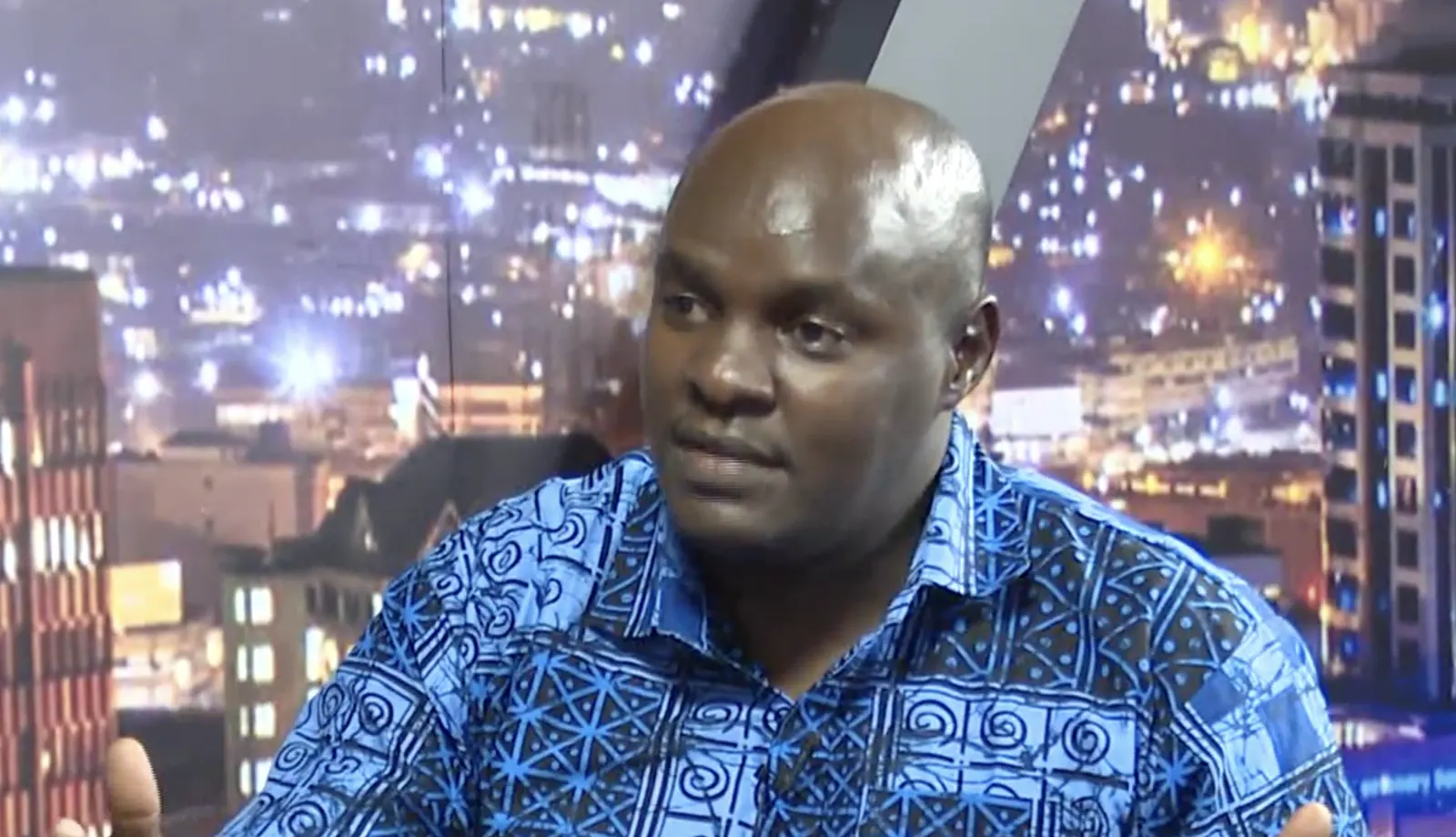
To examine these contrasting views and assess the impact of independence on ordinary Ugandans, NTV Uganda's Talk of the Nation program invited Timothy Chemonges, Executive Director of the Centre for Policy Analysis. Chemonges provided insights into the country's progress since independence, highlighting both achievements and challenges. The discussion shed light on the complexities of Uganda's development journey and the need for continued efforts to address the country's socio-economic challenges.
Uganda gained independence from British colonial rule on October 9, 1962. Since then, the country has made significant strides in various sectors, including education, healthcare, and infrastructure development. However, despite these achievements, many Ugandans continue to face poverty, unemployment, and limited access to basic services. The country's progress has been hindered by factors such as corruption, mismanagement of resources, and inadequate infrastructure.
The debate on Uganda's progress since independence highlights the need for a nuanced assessment of the country's development journey. While there have been achievements, there are also concerns about the distribution of benefits and the impact of policies on ordinary Ugandans. As the country moves forward, it is essential to address these concerns and develop strategies that promote inclusive growth and benefit all citizens.
President Museveni's call for value addition to exports reflects the government's efforts to promote economic diversification and reduce dependence on raw materials. The President's initiative aims to increase the country's competitiveness in the global market and generate more revenue. However, the success of this initiative will depend on the government's ability to support local industries and create an enabling environment for businesses to thrive.
As Uganda looks to the future, the conversation on the benefits of independence will continue. The country's progress will depend on its ability to address the challenges facing its citizens and develop a more inclusive and sustainable development model. The debate on Uganda's development journey serves as a reminder of the need for continued efforts to promote economic growth, social justice, and human development.
Key points
- President Museveni calls for value addition to exports to boost Uganda's economy.
- Leader of the Opposition Joel Ssenyonyi says most Ugandans haven't benefited from independence.
- Uganda gained independence from British colonial rule on October 9, 1962.