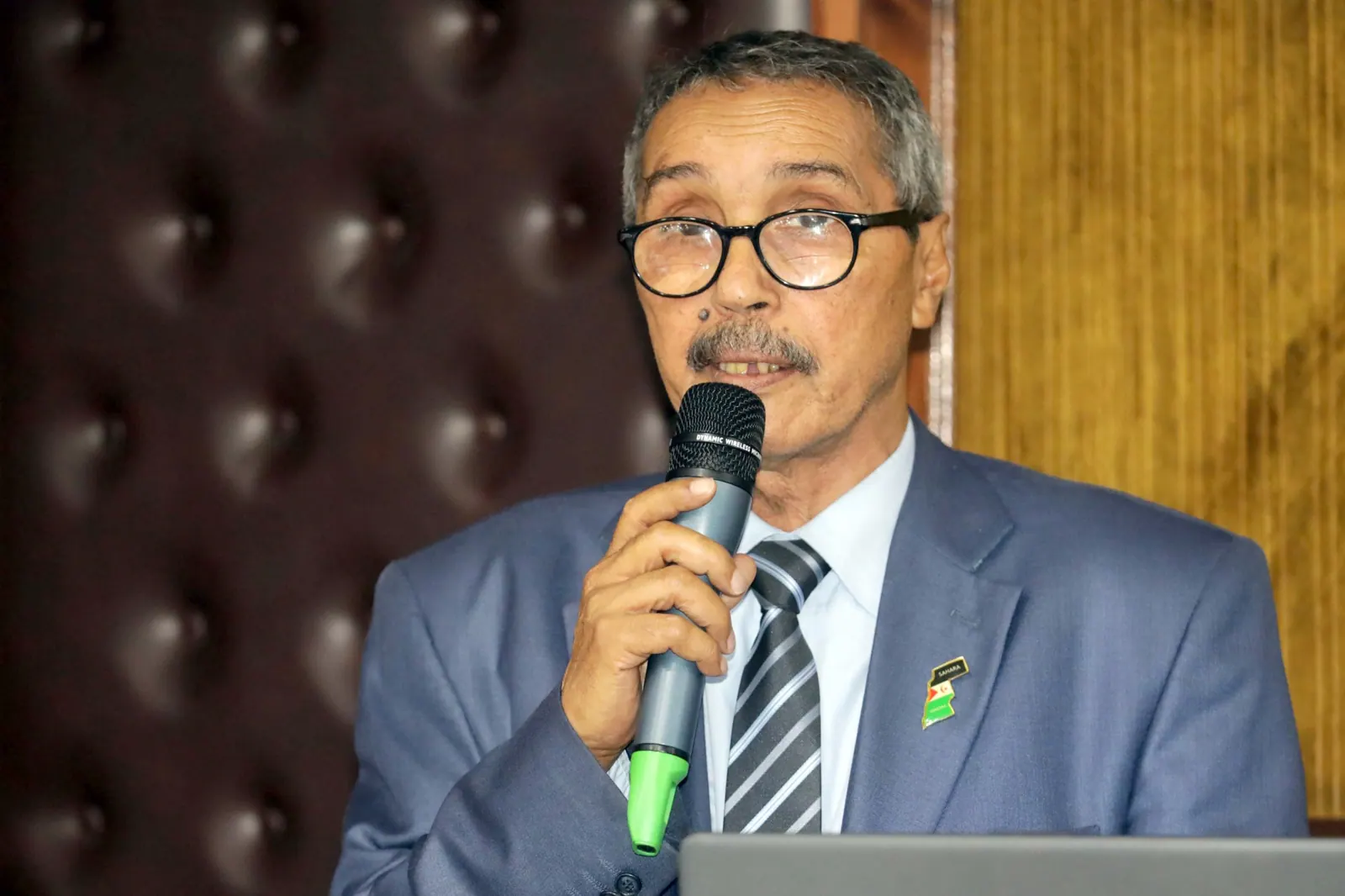
Western Sahara's ambassador to Algeria, Khatri Addouh, has raised concerns about the deteriorating health of Sahrawi political prisoners held in Moroccan prisons. Some prisoners have been on an indefinite hunger strike since September 23. Addouh called for their immediate and unconditional release, urging the international community to intervene in this humanitarian tragedy. The prisoners are demanding their rights and fundamental freedoms be respected.
The prisoners, some of whom have been detained since 2010, are serving lengthy sentences ranging from several years to 25 or 30 years, with some sentenced to life imprisonment. Many are suffering from health problems and have experienced a significant decline in their physical condition, making them vulnerable to the consequences of a hunger strike. Addouh warned that the prisoners are at risk of death at any moment.
Addouh condemned the isolation and lack of adequate medical care for the prisoners, who are denied visits from their families and regular contact with their loved ones. He also criticized their detention in prisons far from their families and homeland, Western Sahara, in various regions of Morocco. This geographical isolation exacerbates the prisoners' suffering and that of their families.
The ambassador urged the international community to take action to prevent a tragic outcome. He emphasized that the prisoners are being denied the rights and guarantees enshrined in international laws and conventions. Their health has deteriorated significantly, posing a grave threat to their lives. Addouh called for an end to these practices and for the prisoners' fundamental rights to be respected.
The issue has been raised at the diplomatic level, with Brahim Ghali, president of the Sahrawi Arab Democratic Republic and secretary-general of the Polisario Front, repeatedly appealing to UN Secretary-General António Guterres to intervene. Ghali believes the UN has a political, legal, and moral responsibility in this humanitarian tragedy. He reiterated the demand for the immediate and unconditional release of the Sahrawi political prisoners.
The situation has sparked international concern, with calls for intervention growing as the hunger strike continues. The prisoners' health risks are mounting, and the consequences of their actions could be irreversible. Addouh praised the role of Algerian media in highlighting the prisoners' plight and raising awareness about their situation.
As the hunger strike enters its second month, the international community is under pressure to respond to the crisis. The Sahrawi people remain determined to defend their right to self-determination and independence. Addouh's warnings have underscored the urgent need for a resolution to this humanitarian crisis.
Key points
- Western Sahara's ambassador to Algeria, Khatri Addouh, warns of dire health risks for Sahrawi political prisoners on hunger strike in Moroccan prisons.
- The prisoners, some of whom have been detained since 2010, are serving lengthy sentences and are demanding their rights and fundamental freedoms be respected.
- The international community, including the UN, has been urged to intervene to prevent a tragic outcome and ensure the prisoners' fundamental rights are respected.