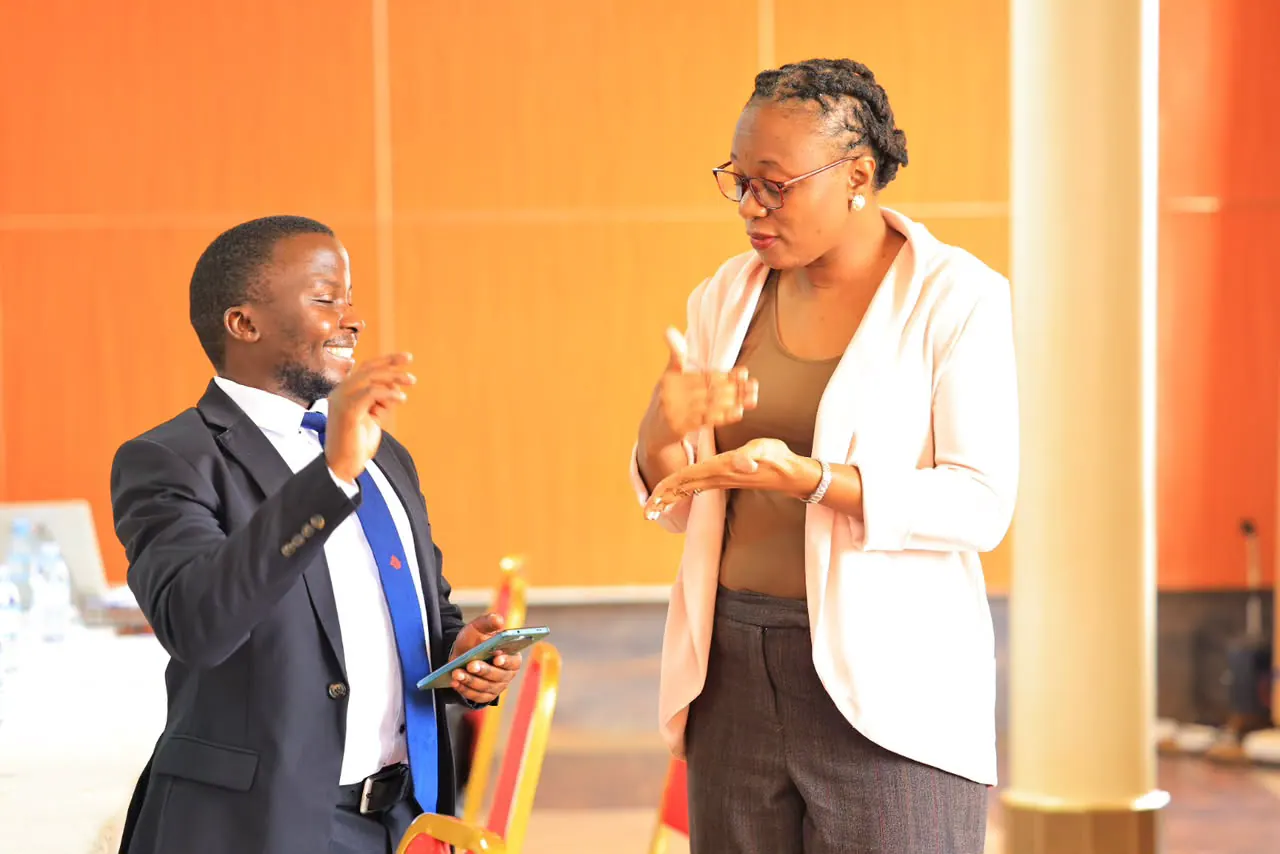
The Uganda Human Rights Commission (UHRC) recently concluded a two-day stakeholder consultation to gather views and information for its 29th Annual Human Rights Report. The meeting, held at Esella Country Hotel, brought together government officials, civil society organisations, human rights experts, and other stakeholders. Discussions focused on several areas, including the rights of Indigenous Peoples, food safety, digital rights, migration, the extractive sector, and human rights concerns in private businesses.
One of the major issues discussed during the consultation was the welfare and working conditions of private security guards. SSP Twaha Etima, the Uganda Police Force Training Officer for Private Security, highlighted the challenges faced by these guards, including long working hours without adequate rest and low wages. According to Etima, some private security guards work for more than 12 hours a day and seven days a week without rest, earning between Shs130,000 and Shs200,000 per month before deductions.
Stakeholders also discussed food safety and its relationship with human rights. Officials from the Ministry of Agriculture, Animal Industry and Fisheries, the Centre for Food and Adequate Living Rights (CEFROHT), the Uganda Bureau of Statistics, and the Ministry of Health participated in the discussions. The meeting aimed to gather insights on how to address food safety concerns and promote human rights in the context of food production and distribution.
Digital rights were another key area of discussion during the consultation. The Internet Society Uganda Chapter presented civil society views on protecting human rights in the digital environment. Participants considered issues surrounding access to information, communication, and the increasing role of digital platforms in people’s daily lives. The discussion highlighted the need for stronger protections for human rights in the digital space.
The consultation also examined the situation of Ugandans returning from South Africa. Foreign Service Officer at the Ministry of Foreign Affairs, Sam Tiitwe, stated that the government was working with Enterprise Uganda to support returnees through training. The Ministry of Foreign Affairs and the Ministry of Finance, Planning and Economic Development are collaborating to help returnees acquire skills in different areas.
Human rights and environmental protection in the extractive sector were also discussed during the consultation. Francis Elungat, Principal Legal Officer at the Ministry of Energy and Mineral Development, shared views on strengthening human rights due diligence and environmental safeguards in the sector. Business and Human Rights Expert at Enabel, Lucy Peace Nantume, raised concerns about possible human rights violations in private businesses, particularly in the health and education sectors.
The UHRC plans to launch the 29th Annual Human Rights Report on the rights and freedoms in Uganda in 2026 by February 2027. According to UHRC Caretaker Director for Monitoring and Inspections Pauline Nansamba Mutumba, the timeline will allow stakeholders enough time to consider and implement recommendations contained in the report. The sessions were chaired by UHRC Members Hon. Shifrah Lukwago and Hon. Cripisn Kaheru.
Key points
- The Uganda Human Rights Commission held stakeholder consultations to gather views and information for its 29th Annual Human Rights Report.
- Discussions focused on several areas, including the rights of Indigenous Peoples, food safety, digital rights, migration, the extractive sector, and human rights concerns in private businesses.
- The report is expected to be launched by February 2027, allowing stakeholders time to consider and implement recommendations.