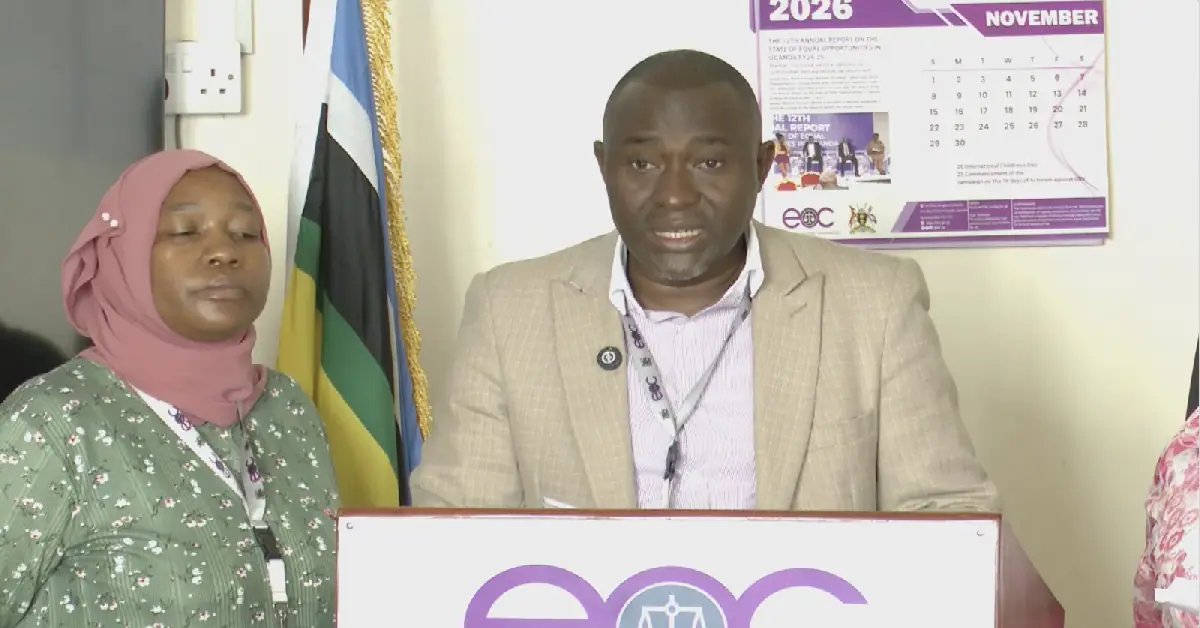
The Ugandan government is facing a significant hurdle in implementing its programs, as five initiatives risk being locked out of the 2027/2028 national budget. The programs failed to submit their budget framework papers to the Equal Opportunities Commission, a crucial requirement for securing the Gender and Equity Compliance Certificate. This certificate is necessary for parliamentary approval of their budgets. The development highlights the importance of integrating gender and equity considerations into government planning.
According to the Equal Opportunities Commission, the five programs were required to submit their budget framework papers to demonstrate compliance with gender and equity standards. The commission plays a critical role in ensuring that government programs are inclusive and equitable. By failing to meet this requirement, the programs may face significant challenges in securing funding for the upcoming fiscal year. The Equal Opportunities Commission's role in promoting gender and equity compliance is essential in ensuring that government programs benefit all segments of society.
The 2027/2028 national budget is a critical document that outlines the government's priorities and allocations for the upcoming fiscal year. The exclusion of these programs from the budget could have significant implications for their implementation and the delivery of essential services to the public. The Ugandan government has been working to improve its budgeting processes, including integrating gender and equity considerations into its planning. The current development highlights the need for government programs to prioritize compliance with these requirements.
The Gender and Equity Compliance Certificate is a critical document that demonstrates a program's commitment to promoting gender equality and equity. The certificate is required for parliamentary approval of budgets, emphasizing the importance of integrating these considerations into government planning. The Ugandan parliament has been actively engaged in promoting gender and equity compliance, including through the Equal Opportunities Commission. The commission's work is crucial in ensuring that government programs are accountable and transparent.
The five programs facing the budget approval hurdle have not been publicly identified. However, the development highlights the need for government programs to prioritize compliance with gender and equity requirements. The Ugandan government has made significant progress in promoting gender equality and equity, including through the development of policies and strategies aimed at addressing these issues. The current development emphasizes the importance of implementing these policies and strategies effectively.
The budget approval process is a critical aspect of Uganda's governance framework. The process involves several stakeholders, including the Ministry of Finance, Planning and Economic Development, and the parliament. The Equal Opportunities Commission plays a crucial role in this process, ensuring that government programs comply with gender and equity requirements. The commission's work is essential in promoting accountability and transparency in government planning and budgeting.
The Ugandan government has faced challenges in implementing its programs, including due to budget constraints and compliance issues. The current development highlights the need for government programs to prioritize compliance with gender and equity requirements. The government has made significant progress in promoting gender equality and equity, but more work remains to be done. The budget approval process will continue to be an essential aspect of Uganda's governance framework, ensuring that government programs are accountable, transparent, and effective.
Key points
- The Ugandan government programs must comply with gender and equity requirements to secure funding for the 2027/2028 fiscal year.