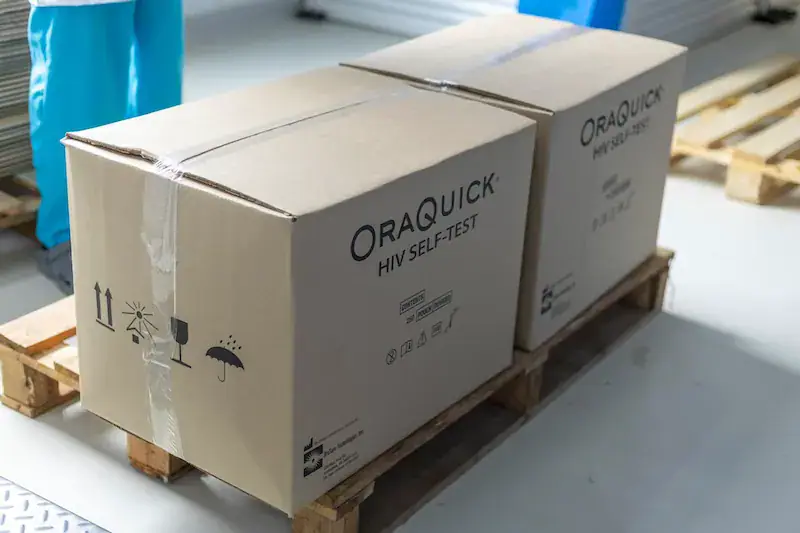
Healthcare workers in Uganda have welcomed the launch of the country's first local manufacturing facility for HIV self-test kits, saying it will increase the number of people who know their HIV status. The factory, owned by Zakayo Industries Limited, was commissioned in Ntenjeru, Mukono district, and produces oral fluid-based self-test kits in partnership with US-based OraSure Technologies. This development is expected to help Uganda meet its goal of ending the AIDS epidemic by 2030.
The factory has already started production, with a current output of 50,000 to 60,000 kits per day, up from 10,000 per eight-hour shift when assembly began in June. The kits are distributed free through government public health facilities, and the plant employs more than 120 workers. Plans are underway to move from assembly and secondary packaging to full manufacturing of diagnostic devices by 2028. This expansion is expected to create more jobs and generate tax revenue for the country.
The introduction of local production has led to a reduction in the cost of the kits, making them more affordable for Ugandans. When first introduced in 2018, the product cost about Shs 40,000, but now it is available at Shs 25,000 to Shs 30,000 in pharmacies. The target is to bring the cost down to as low as Shs 7,000, enabling every Ugandan to afford it. This price reduction is expected to improve access to the kits, particularly for those who prefer to buy them privately.
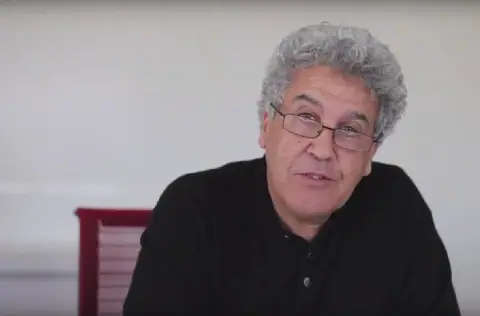
The commissioning of the factory also saw the dispatch of the first export of self-testing kits to Kenya. According to Ronald Wantanda Zakayo, chief executive officer of Zakayo Industries, the company is built on three pillars: reducing the spread of HIV, creating jobs, and generating tax revenue for the country. He emphasized the importance of local production in reducing reliance on imported testing materials and foreign exchange.
The partnership between the United States and Uganda in the health sector has been instrumental in transforming the country's health system. US Chief of Mission, Michael Cleverly, noted that the partnership has spanned 90 years and has extended into research and education. He encouraged foreign companies to invest in Uganda to improve people's lives in the economy, education, and health sectors.
Health officials believe that local production, lower prices, and greater privacy will accelerate progress toward the 2030 target of ending AIDS as a public health threat in Uganda. Dr. Charles Olaro, Director General of Health Services at the ministry of Health, emphasized that self-testing enables people to discover their status early, allowing them to seek treatment while the infection is still in its early stages. The Uganda Population-based HIV Impact Assessment survey put national HIV prevalence at 5.9 per cent, with an estimated 150,000 to 200,000 Ugandans still unaware of their HIV status.
The local production of HIV self-test kits is a significant step toward increasing access to testing and treatment. John Ballester, OraSure Technologies' senior director for international diagnostics, noted that the partnership reduces logistical challenges and enables the company to expand production to other diagnostics, including Ebola tests, and later explore hepatitis and sickle cell disease tests. The Mukono facility has obtained ISO 9001 and ISO 13485 certifications, ensuring the quality of the products.
Key points
- The factory produces 50,000 to 60,000 kits per day, with plans to move to full manufacturing of diagnostic devices by 2028.
- The cost of the kits has been reduced to Shs 25,000 to Shs 30,000, with a target of Shs 7,000 to make them more affordable.
- The partnership between Uganda and the US has transformed the country's health system, extending into research and education.