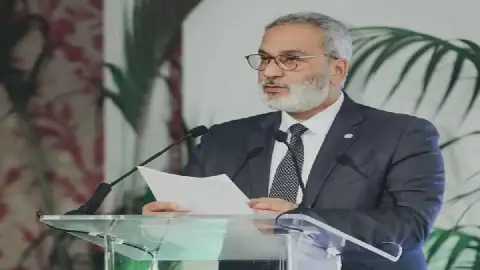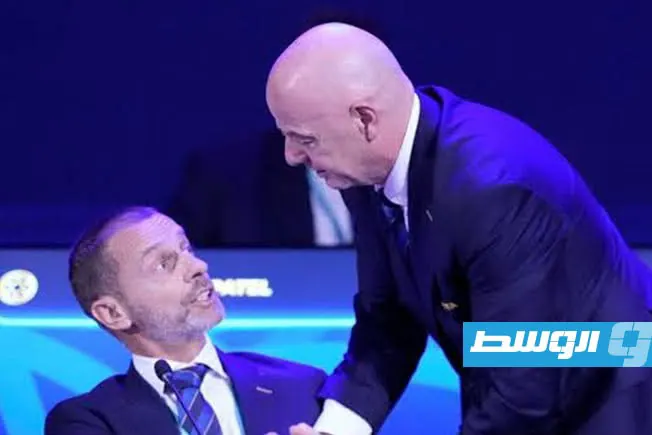
In a recent speech at the General Assembly of European Clubs in Copenhagen, Denmark, UEFA President Alexander Cheferin expressed concerns over the governance of football, criticizing FIFA President Gianni Infantino's approach. Cheferin emphasized that football should not be treated as a personal property and that its future should be decided collectively by all stakeholders. He stressed that the sport's development should not come at the expense of its core values or the rights of those involved.
Cheferin's comments come amid growing debates over the future of football, including projects to reform competitions and attract investments. The UEFA president's statements are seen as a response to Infantino's proposal to create a commercial company open to private investors, which was later put on hold. Cheferin and UEFA have been vocal critics of this approach, sparking a wider discussion on the relationship between football institutions and investors.
Cheferin argued that football's growth and innovation should not be hindered, but they should not compromise the sport's essence or the rights of its stakeholders. He emphasized that those who manage football institutions are only custodians, not owners, and should not decide the sport's future alone. This vision for football governance reflects concerns about the increasing commercialization of the sport and the need for a more inclusive decision-making process.
The UEFA president's remarks have been interpreted as a call for a more democratic and transparent approach to football governance. He warned that if left unchecked, the concentration of power in the hands of a few individuals or institutions could undermine the sport's integrity. Cheferin's statements have resonated with many in the football community who are concerned about the direction the sport is taking.
Infantino's proposal for a commercial company has been met with skepticism by many, including UEFA and several national football associations. Critics argue that such a move could lead to a loss of control over the sport and create new financial and governance risks. The debate over football's future governance is ongoing, with various stakeholders pushing for different models and approaches.
Cheferin's criticism of Infantino reflects deeper divisions within the football world over how the sport should be governed and developed. While there is a need for growth and innovation, there is also a concern that these changes should not compromise the sport's values or lead to an uneven playing field. The UEFA president's comments have added fuel to the debate, highlighting the need for a balanced approach to football's development.
The dispute between UEFA and FIFA reflects broader tensions within the football world, with different stakeholders pushing for different visions of the sport's future. As the debate continues, it remains to be seen how these tensions will be resolved and what the implications will be for football governance and development.
Key points
- UEFA President Alexander Cheferin criticizes FIFA President Gianni Infantino's approach to football governance.
- Cheferin emphasizes that football should not be treated as a personal property and that its future should be decided collectively.
- The debate over football's governance reflects deeper divisions within the sport over how it should be developed and managed.