The Uganda Communications Commission (UCC) has dismissed a complaint by pastor Robert Kayanja against Kingdom Television (KTV), finding instead that Kayanja's own Channel 44 and Top Television breached broadcasting standards by misrepresenting proceedings in a criminal case. The regulator reviewed three complaints arising from coverage of Criminal Case No. KLA-CO-605 of 2023. Kayanja had accused KTV and its reporter, Annet Nakayibale, of spreading fake news regarding a case in which he accuses eight people of trespass at his Rubaga Miracle Centre.
The coverage concerned a case in which Kayanja accuses eight people; Reagan Ssentongo, Peter Serugo, Labeeb Khalifah, Alex Wakamala, Martins Kagolo, Jamil Mwanda, Israel Wasswa and Aggrey Kanene of trespass. Kayanja claimed KTV misrepresented the Uganda Police forensic expert's evidence presented in court on Thursday, March 19, 2026. However, KTV insisted its reporting was drawn directly from the expert's testimony that day. The authenticity of the KTV story was later verified in court.
On Monday, March 23, 2026, state attorney Jonathan Muwaganya questioned the authenticity of the KTV story. When it was played in court for verification, police forensic expert Enock Kanene confirmed that the facts had been accurately reported. Nakayibale had reported that phone recordings by Ssentongo, allegedly sent from Kayanja's phone and narrating alleged sodomy against Kayanja in 2017, were played in court. KTV's reporting was based on actual court proceedings.
In a statement, KTV said that in February 2024, Kayanja, appearing on Channel 44, alleged that Bishop Livingstone Kiganda and other pastors conspired with the accused to frame him. KTV claimed that these claims prompted Kingdom Media to follow the court proceedings closely with a professional reporting team. The UCC found that KTV's report of the March 19, 2026 hearing was a fair and reasonable representation of what happened at the Mwanga II Magistrate's court.
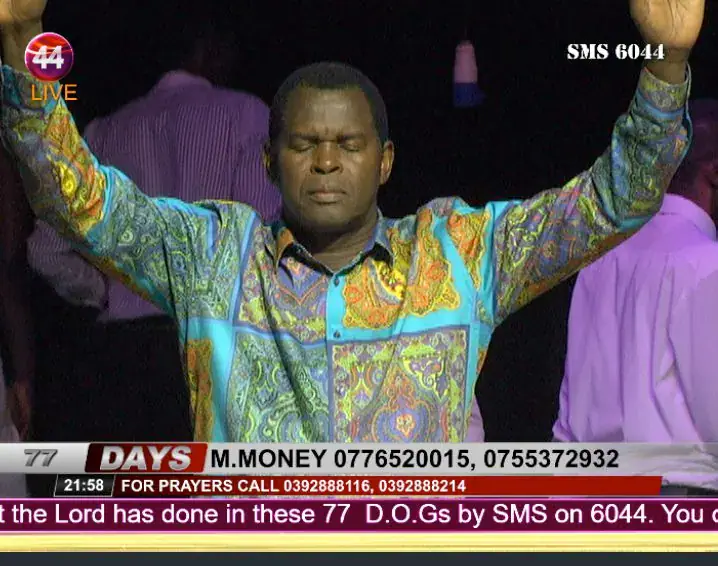
The UCC faulted Channel 44 for airing statements not supported by what transpired in court. The Commission also found that a church sermon by Kayanja went beyond reporting and contained interpretations and assertions the court record did not establish. Channel 44 and Top TV were ordered to exercise editorial caution in future broadcasts. The complaints were filed under the Uganda Communications Act, Cap 103, and the Uganda Communications (Content) Regulations, 2019.
In Complaint No. 2 of 2026, the Commission similarly faulted Top TV for broadcasting a sermon by pastor Jackson Ssenyonga, a critic of Kayanja, in which he interpreted and reported events arising from the March 19 hearing. That complaint also partially succeeded. The UCC relied on its mandate to investigate complaints and take regulatory action against broadcasters that breach broadcasting standards.
The UCC's decision highlights the importance of accurate reporting in Uganda's media landscape. The Commission's findings emphasize the need for broadcasters to adhere to broadcasting standards and regulations. KTV, owned by Bishop Livingstone Kiganda, was found to have reported fairly and reasonably, while Channel 44 and Top TV were criticized for misrepresenting court proceedings.
Key points
- UCC dismisses pastor Kayanja's complaint against KTV, finding its reporting fair and accurate.
- Channel 44 and Top TV faulted for misrepresenting court proceedings in their broadcasts.
- UCC emphasizes the importance of accurate reporting and adherence to broadcasting standards.