The Universal Basic Education Commission (UBEC) has introduced a digital platform to enable parents and communities to track basic education projects and funds accessed by states. This development is part of UBEC's preparations to implement its 10-year Universal Basic Education Roadmap, 2026-2035, in October. The platform, known as the Basic Education Action Plan Management System, aims to improve transparency, planning, and monitoring of interventions.
According to UBEC Executive Secretary, Dr. Aisha Garba, the digital platform was developed to provide information on funds accessed by states and projects being implemented. This will allow communities to monitor interventions in their schools and hold relevant authorities accountable. The platform has been under development for over a month, and State Universal Basic Education Boards (SUBEB) chairmen have been onboarded ahead of its full deployment in October.
The new digital system is part of UBEC's broader shift towards a "whole school approach" to basic education interventions. Under this approach, states will be required to identify the comprehensive needs of individual schools before their action plans can be approved. This move aims to address the challenges faced by Nigeria's basic education sector, including access, infrastructure, and learning outcomes.
Dr. Garba emphasized that the "whole school approach" will ensure that states consider all the needs of a school, rather than focusing on isolated projects. For instance, if a school lacks fencing, toilets, furniture, or computers, these needs will be incorporated into its intervention plan. Additionally, new classrooms will have to be matched with adequate toilet facilities based on projected enrollment.
UBEC has also revised its matching-grant formula to give states greater flexibility in deploying funds according to their specific education needs. The previous approach largely focused on new infrastructure, but the revised framework allows states to prioritize areas such as furniture, renovation, and improvement of existing schools. This change will enable states to address their unique challenges and needs.
The new 10-year roadmap for basic education will formally commence in the first week of October and guide interventions across the country through 2035. The roadmap is expected to strengthen the basic education system, improve learning outcomes, and increase access to education. According to UNICEF, 10.5 million children aged five to 14 are out of school in Nigeria, highlighting the need for effective solutions.
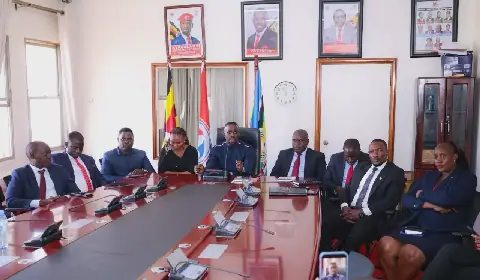
Stakeholders, including SUBEB chairmen and directors of research and statistics, are participating in a consultative workshop to review and validate the proposed roadmap. The workshop aims to establish a common direction for basic education delivery over the next decade and ensure that all stakeholders are aligned with the new roadmap and digital tracking platform.
Key points
- UBEC introduces digital platform for tracking school projects and funds.
- The platform aims to improve transparency and accountability in basic education interventions.
- The new roadmap will guide basic education interventions across Nigeria through 2035.