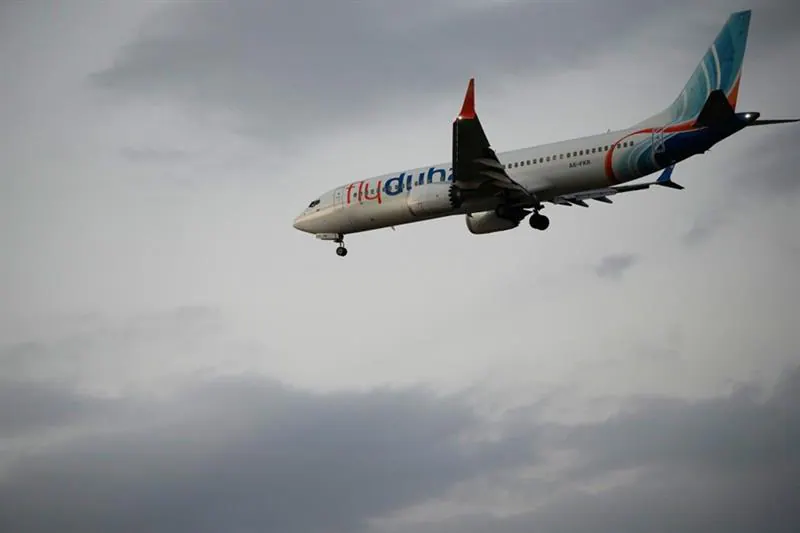
Authorities in the United Arab Emirates shared a list of passengers and crew with Israel ahead of a FlyDubai flight on which a pilot attempted to seize control of the Israel-bound aircraft and crash it. This incident has raised new questions over how the attacker evaded detection. The flight, which had 182 people on board, was nearly crashed before the Indian captain managed to open the cockpit door, allowing passengers and others to rush in and subdue the attacker.
The co-pilot, an Omani citizen, had been barred from flying by his own country due to concerns about his extremist views. It remains unclear how he was allowed to fly a planeload of Israelis to Tel Aviv, given that Oman has no diplomatic relations with Israel. The UAE, leading the investigation, described the incident as a "terrorist attack." The Emirati authorities shared information about the passengers and crew, including their nationalities, with Israel.
Israel had not raised any concerns about the passengers and crew. According to regional officials, Israel's domestic security agency, the Shin Bet, said the Transportation Ministry is responsible for vetting passenger lists from foreign flights. Transportation Minister Miri Regev stated that her ministry wasn’t given a list of passengers or any warnings, adding that the security agencies are responsible for flight security.
The head of aviation security at the Transportation Ministry, Dvir Rubenstien, told Army Radio that the ministry relies on local security checks and does not have the tools or the ability to run checks on each passenger on every flight. Israeli Prime Minister Benjamin Netanyahu has long-standing agreements with foreign carriers to keep pilots from flying into the country if they are citizens of nations that don’t maintain diplomatic relations with Israel.
Netanyahu ordered a review of "all security aspects regarding foreign civil aviation to Israel." The incident has sparked questions and accusations about security failures. Opposition candidates have seized on the security failures to highlight what they perceive as negligence on the part of Netanyahu and his supporters. Yair Golan, head of the opposition Democrats party, wrote that the incident shows "exactly what system collapse looks like."
The investigation into the FlyDubai incident is ongoing, with Australian police looking into the attacker's possible connections to Australia. Questions are being raised about how FlyDubai, a low-cost Emirati airline, failed to identify the Omani pilot as a security risk. Philip Baum, a visiting professor of aviation security, noted that background check systems differ from country to country and there are limits on what types of information can be shared.
The incident has highlighted significant security lapses and raised concerns about aviation security. Israeli officials are reviewing the incident and looking into ways to prevent similar incidents in the future. The UAE attorney general has ordered an investigation into the incident.
Key points
- The UAE shared passenger and crew details with Israel before the FlyDubai flight.
- The co-pilot had been barred from flying by his own country due to extremist concerns.
- The incident has raised questions about security failures and aviation security.