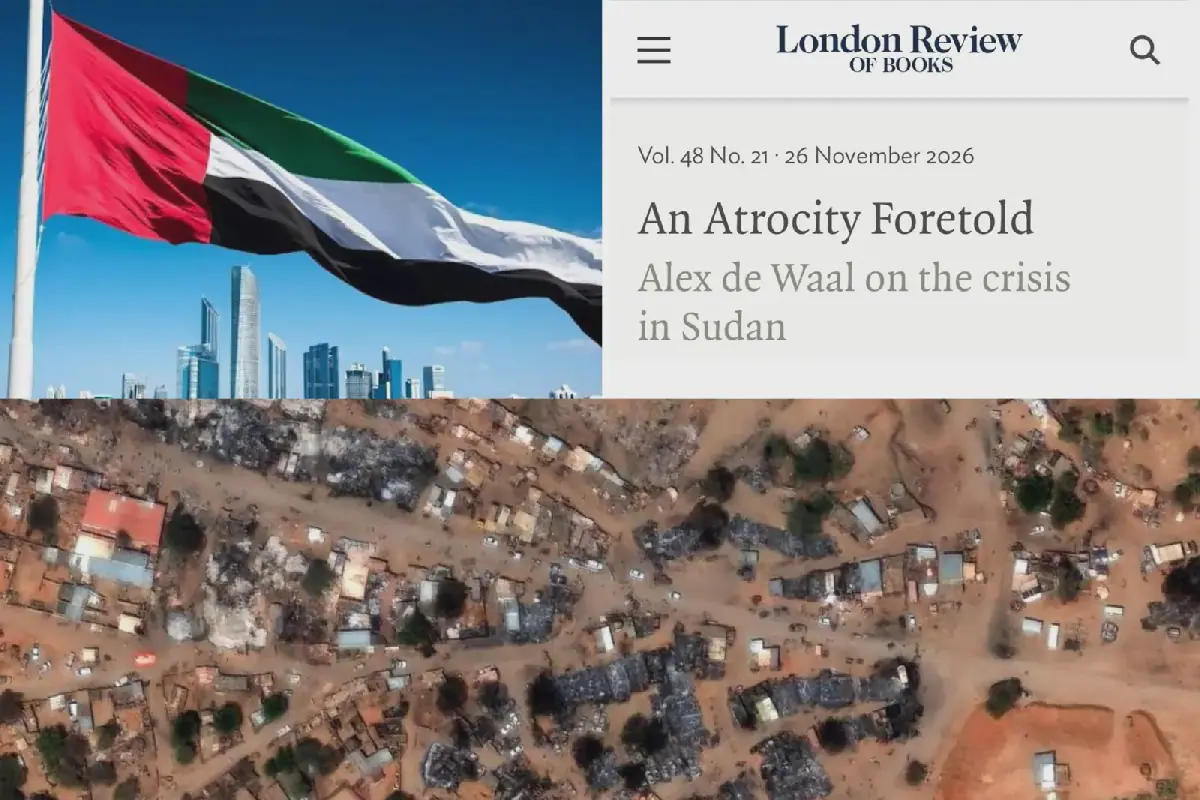
The United Arab Emirates is facing intense scrutiny over its alleged role in the ongoing crisis in Sudan's Darfur region. According to Alex De Waal, Executive Director of the World Peace Foundation, the UAE played a significant role in strengthening the military power of the Rapid Support Forces. De Waal's article, published in the London Review of Books, examines the massacres in Sudan and the responsibility of foreign governments. He argues that the UAE supplied weapons, military drones, and foreign fighters to the RSF.
In October 2025, the RSF captured El Fasher, a city in Sudan's Darfur region, resulting in thousands of civilian deaths, hospital shelling, and widespread sexual violence against women and girls. De Waal's research suggests that pressure on the UAE could have helped prevent the massacre. However, the UAE strongly denied supporting the RSF, despite evidence to the contrary. The UAE's involvement has raised serious concerns about its legal and diplomatic responsibilities.
The UAE has signed the United Nations Genocide Convention, which obliges countries to take measures to prevent and punish genocide. If found to have intentionally assisted in genocide, the UAE could face international legal consequences, potentially irreparably damaging its reputation and diplomatic relationships. De Waal emphasizes that governments cannot ignore credible warnings of genocide, as preventing such crimes is an international legal obligation.
De Waal also criticized Britain and the United States for failing to act despite receiving repeated warnings about the impending crisis. The international community's inaction has raised questions about their commitment to preventing genocide. The crisis in Sudan has sparked a significant response from the international community, with many calling for action to be taken against those responsible.
The allegations against the UAE have sparked a diplomatic row between the UAE and Somalia. The Somali government recently expelled the UAE ambassador and recalled its own ambassador to the UAE. The UAE's Ministry of Foreign Affairs responded by expressing regret over Somalia's decision and condemning the "hurtful" statements made by Somali officials.
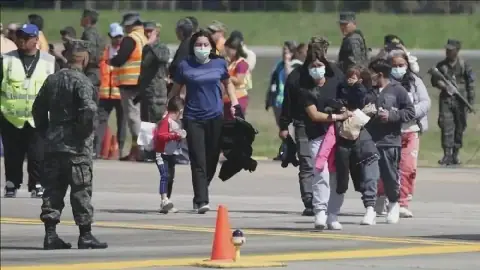
The crisis in Sudan has resulted in a significant humanitarian disaster, with thousands of civilians displaced and in need of aid. The international community has called for an immediate ceasefire and the provision of humanitarian assistance to those affected. The situation remains volatile, with ongoing clashes between the RSF and other Sudanese forces.
The UAE's alleged role in the Sudan genocide has significant implications for its reputation and diplomatic relationships. The country's response to the allegations will be closely watched by the international community, which is increasingly holding governments accountable for their actions. The incident highlights the complexities of international relations and the challenges of preventing genocide in conflict zones.
Key points
- The UAE faces serious legal and diplomatic risks if found to have intentionally assisted in genocide.