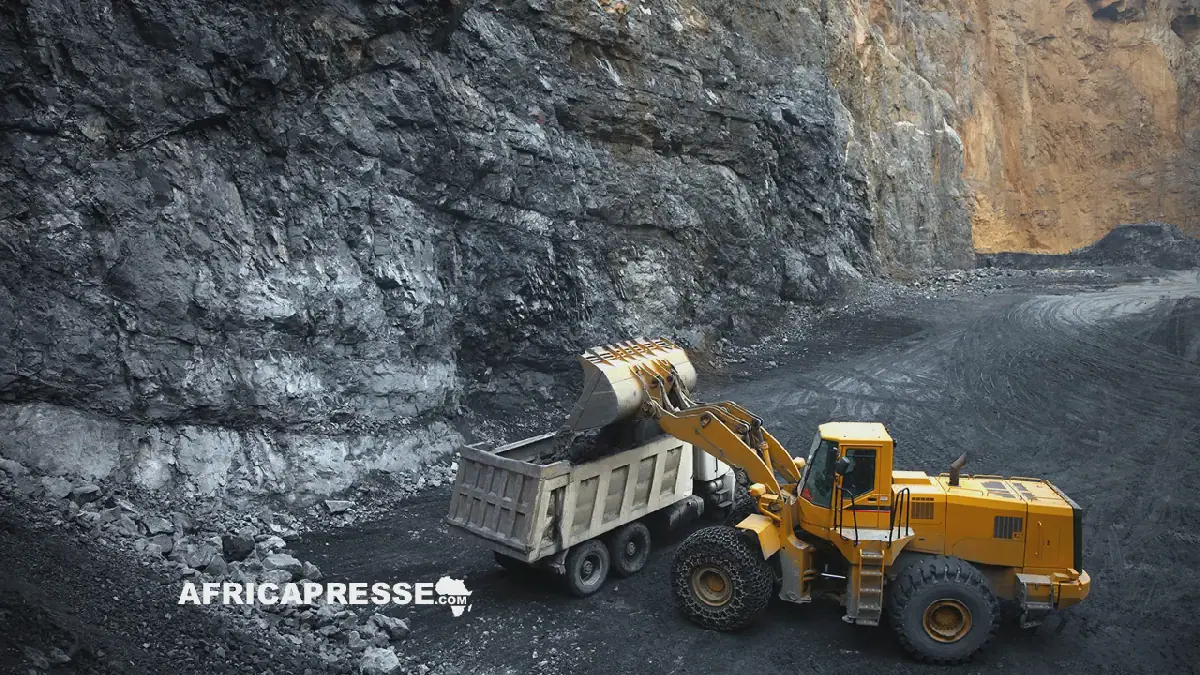
The United Arab Emirates is strengthening its position in Africa's critical mineral sector, with investments in countries such as Cameroon, Zambia, and the Democratic Republic of Congo. The UAE's strategy involves a multifaceted approach, with investments in mining companies and partnerships with local governments. This development is part of the UAE's efforts to diversify its economy and reduce its dependence on hydrocarbons.
One notable investment is the $2 billion project by New Energy Metals, backed by Emirati investors, to develop the Mabounié niobium and rare earth project in Gabon. This project is expected to start in 2027, but details on funding mobilization have not been disclosed. The UAE's International Resources Holding has also acquired stakes in Mopani Copper Mines in Zambia and Alphamin Resources in the Democratic Republic of Congo.
The UAE's investments in Africa's critical minerals sector are driven by the continent's rich reserves, with approximately 30% of the world's critical minerals found in Africa. These minerals, including copper, cobalt, nickel, rare earths, and graphite, are essential for the transition to renewable energy, digital transformation, and defense industries.
The UAE's approach involves partnerships between public and private sectors, such as the Orion Critical Mineral Consortium, which aims to acquire stakes in critical mineral projects. The consortium has signed an agreement with Glencore to acquire 40% of its interests in copper and cobalt mines in the Democratic Republic of Congo.
In addition to investments, the UAE is also engaging in economic diplomacy, with agreements signed with countries such as the Democratic Republic of Congo, Kenya, and Tanzania to facilitate bilateral investments in mining and energy sectors. These agreements demonstrate the UAE's commitment to strengthening its presence in Africa's critical mineral sector.
The UAE's strategy is part of its "Abu Dhabi Economic Vision 2030," which aims to diversify the economy and reduce dependence on hydrocarbons. The vision emphasizes the importance of investing in critical minerals, which are essential for the transition to a sustainable economy.
As the UAE continues to expand its investments in Africa's critical mineral sector, it is likely to play a significant role in shaping the continent's mining industry. The success of these investments will depend on various factors, including the implementation of projects and the involvement of local communities.
Key points
- The UAE's investments in Africa's critical minerals sector are driven by the continent's rich reserves and its strategic importance for the transition to renewable energy and digital transformation.