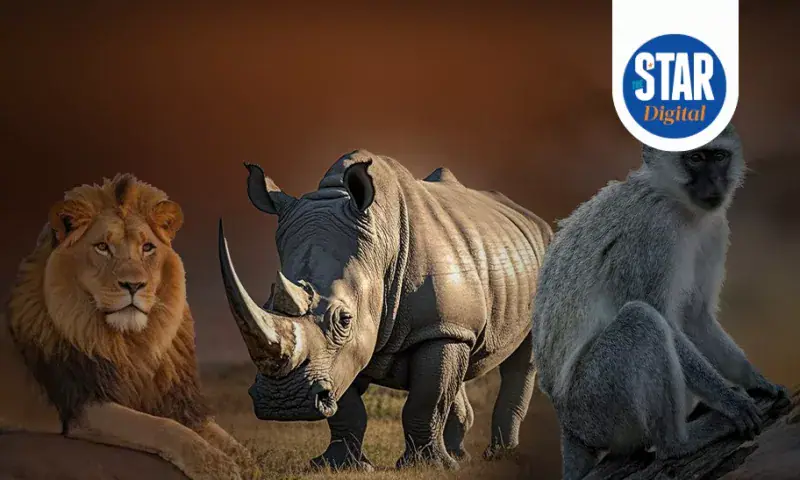
Monitored wildlife populations in Africa have suffered a devastating 80% average decline since 1970, according to the Living Planet Index 2026 report by WWF and ZSL. This places the continent at the epicentre of a global biodiversity crisis. The data highlights severe regional disparities in wildlife loss, with Africa being the hardest hit. Conservationists attribute the dramatic drop to habitat destruction, climate change, and human encroachment.
The Living Planet Index report also reveals that the Asia-Pacific region recorded the second-highest drop in wildlife populations at 49%, followed by North America at 28%. Europe and Central Asia registered the lowest average decline at 23%. These regional disparities underscore the varying impacts of human activities on wildlife populations across different parts of the world. The report warns that urgent global interventions are required to halt ecological collapse.
Habitat destruction, climate change, and human encroachment are cited as major drivers of the decline in wildlife populations. Human activities such as deforestation, urbanization, and pollution have led to the destruction of natural habitats, leaving many species without a place to live and thrive. Climate change has also disrupted ecosystems, making it difficult for some species to adapt and survive.
The decline in wildlife populations has significant implications for ecosystems and human societies. Wildlife plays a crucial role in maintaining the balance of ecosystems, and their loss can have cascading effects on other species and the environment. The loss of biodiversity also has economic and social impacts, particularly for communities that depend on natural resources for their livelihoods.
Conservationists are calling for urgent global interventions to address the decline in wildlife populations. This includes efforts to protect and restore natural habitats, reduce greenhouse gas emissions, and promote sustainable land-use practices. Governments, organizations, and individuals must work together to address the root causes of biodiversity loss and protect the natural world.
The Living Planet Index report is a collaborative effort between the World Wildlife Fund (WWF) and the Zoological Society of London (ZSL). The report provides a comprehensive overview of the state of wildlife populations around the world, based on data from over 5,000 species. The report's findings highlight the need for collective action to address the biodiversity crisis.
The decline in wildlife populations is a pressing issue that requires immediate attention and action. By working together, we can help to protect and preserve the natural world for future generations. The Living Planet Index report serves as a reminder of the importance of conservation efforts and the need for sustainable practices to mitigate the impact of human activities on the environment.
Key points
- Africa has suffered an 80% average decline in monitored wildlife populations since 1970.