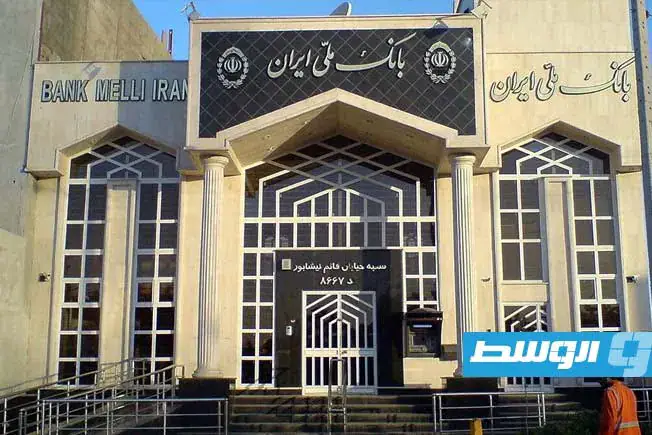
The Central Bank of the United Arab Emirates (UAE) announced on Wednesday, September 23, 2026, that it has taken measures against branches of Iranian Bank Melli operating in the country. The measures include banning the bank from conducting financial transactions with Iran, including trade financing and money transfers. This decision was made due to the bank's non-compliance with UAE's regulatory frameworks, including those related to anti-money laundering and combating the financing of terrorism.
The UAE's decision comes amid escalating tensions in the Middle East, following US and Israeli airstrikes on Iran in February. The US has been increasing economic pressure on Iran, and in late August, announced new measures targeting Iran's trade partners, including sanctions on the manager of Bank Melli's Dubai branch. The UAE has also suspended trade and financial exchanges with Iran, following Iranian attacks on several Gulf countries.
The UAE is home to a large Iranian expat community, estimated to be in the hundreds of thousands. This community has contributed significantly to Dubai's economic growth and has weathered various periods of tension with Tehran. The country's strategic location and business-friendly environment have made it an attractive hub for international trade and finance.
The ban on Bank Melli's transactions is part of a broader effort by the UAE to comply with international regulations and avoid being used as a conduit for illicit financial activities. The country's financial sector is subject to regular scrutiny by global regulators, and the UAE has taken steps to strengthen its anti-money laundering and counter-terrorism financing frameworks.
The impact of the ban on Bank Melli's operations in the UAE is likely to be significant, given the bank's role in facilitating trade and investment between Iran and the UAE. The move is also likely to have implications for other Iranian banks and businesses operating in the UAE, and may lead to a decline in trade between the two countries.
The UAE's decision to ban financial transactions with Bank Melli is a significant development in the country's efforts to combat financial crime and comply with international regulations. The move is also likely to have implications for the UAE's relations with Iran, which have been strained in recent months due to the conflict in the Middle East.
The Central Bank of the UAE has stated that it will continue to monitor and assess the risks associated with financial transactions with Iran and other countries subject to sanctions. The bank has also emphasized its commitment to working with international partners to combat financial crime and promote financial stability.
Key points
- The UAE has banned financial transactions with Iranian Bank Melli as part of measures to combat money laundering and terrorism financing.