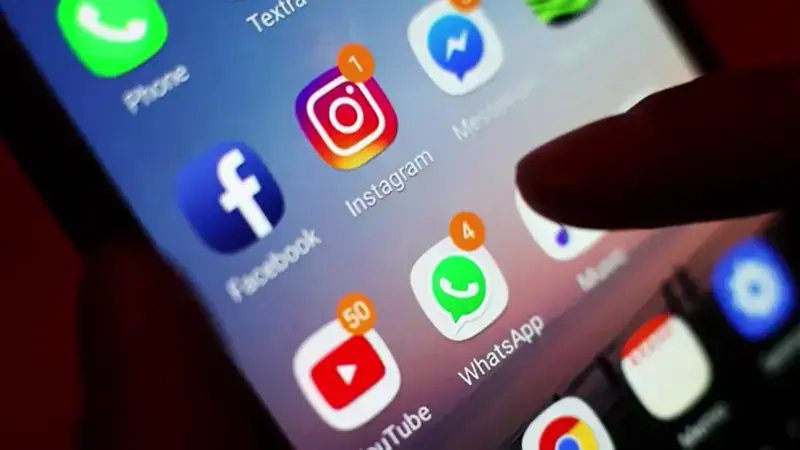
After 248 days without access to major social media platforms, Gabon's government has lifted the suspension, but with a new regulatory framework in place. The High Communication Authority (HAC) had blocked Facebook, Instagram, TikTok, and YouTube on February 17, 2026, citing concerns over national security, defamation, and hate speech. The suspension affected over 1.84 million individuals, or 71.9 percent of the country's population. The government's decision to restore social media access comes with a tighter regulatory framework, raising concerns about freedom of expression and privacy.
The initial suspension was intended to target content undermining national security, but it soon became clear that several influencers and citizens experienced access disruptions on YouTube and TikTok. The Internet Society Pulse confirmed major anomalies for Meta, Telegram, TikTok, and YouTube, but not X (formerly Twitter). As a result, VPN usage surged in the months that followed. The HAC's decision to lift the suspension on October 24, 2026, did not necessarily mean a return to business as usual, leaving uncertainty about the future of digital freedoms in Gabon.
A new legal framework, enacted on February 26, 2026, underpins the reinstatement of social media access. Ordinance No. 0011/PR/2026 establishes a regulatory framework for digital platform usage, while Ordinance No. 0013/PR/2026 amends the HAC Reorganization Act. The HAC also invokes a law, enacted on October 5, that ratifies the social media ordinance and establishes a regulatory framework for AI-generated and AI-amplified content. These regulations have introduced joint liability for those who create and share illegal content and require all social media users to provide personal identification information.
The new regulations have raised serious concerns about anonymity, personal data protection, and the potential for government control over online content. Critics argue that these measures could undermine freedom of expression and create a surveillance state. The government's cooperation with tech giants has also sparked concerns about the extent to which the government will be able to influence online content. As President Brice Clotaire Oligui Nguema's administration moves forward with the new regulatory framework, it remains to be seen how these changes will impact the country's online landscape.
The 248-day suspension of social media access had a significant impact on the country's online community. Many citizens and content creators relied on these platforms for communication, information, and livelihood. The suspension also highlighted the importance of social media in modern life, with many people turning to VPNs to bypass the block. The government's decision to restore social media access will likely be welcomed by many, but concerns about the new regulatory framework will continue to be a topic of debate.
The HAC's decision to lift the suspension was announced on October 24, 2026, but the details of the new regulatory framework were not fully disclosed. According to Africanews, the ruling did not necessarily mean a return to business as usual, suggesting that the government will continue to exert control over online content. The impact of these changes on Gabon's online community will be closely watched in the coming months.
The restoration of social media access in Gabon raises important questions about the balance between national security and freedom of expression. While the government's concerns about online safety and security are legitimate, the new regulatory framework has sparked concerns about government control and surveillance. As the country moves forward, it will be essential to monitor the impact of these changes on the online community and ensure that the government's actions do not undermine fundamental human rights.
Key points
- The new regulatory framework introduces joint liability for those who create and share illegal content and requires all social media users to provide personal identification information.
- The 248-day suspension of social media access affected over 1.84 million individuals, or 71.9 percent of Gabon's population.
- The government's cooperation with tech giants has raised concerns about the extent to which the government will be able to influence online content.
Reporting sources
- Restoring social media access comes at a cost in Gabon · Global Voices Africa