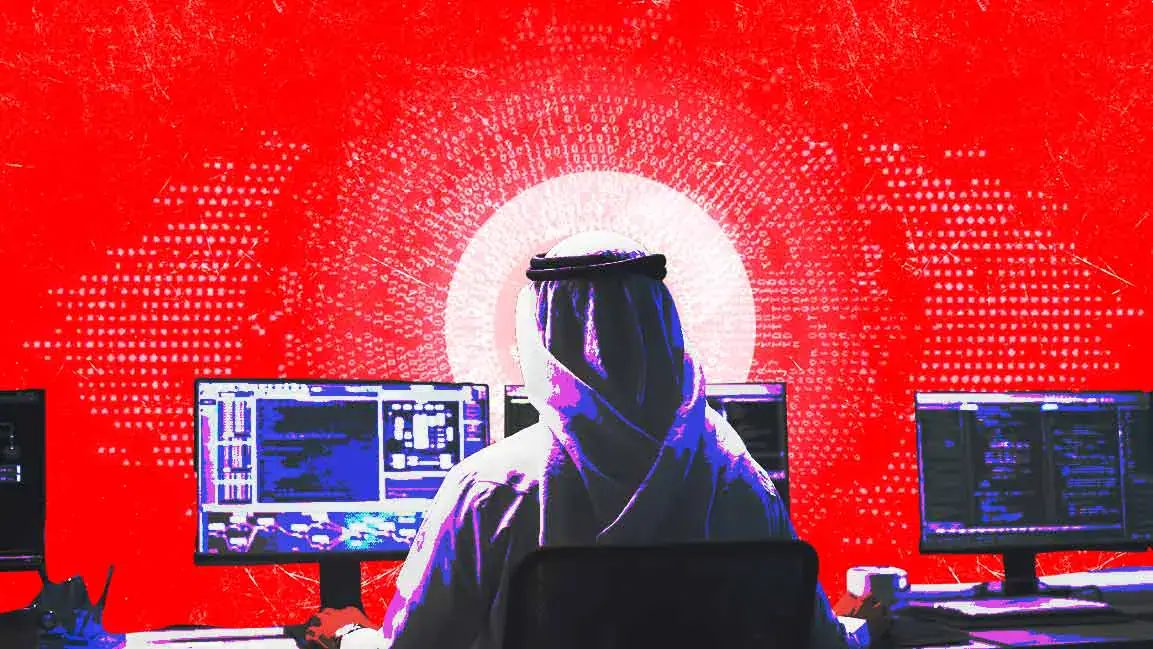
Recent investigations and European reports have sparked controversy over the UAE's alleged role in fueling Islamophobia and smearing Islam. The UAE is accused of financing extremist and terrorist groups, as well as orchestrating large-scale secret campaigns to tarnish the image of Islam and Muslims in the West, often linking it to terrorism. This has led to increased scrutiny of Muslims and Islam in Europe.
The UAE's efforts aim to prompt European governments to adopt more stringent policies towards Islam and Muslims, serving its security and political interests. The UAE presents itself as a model for "moderate Islam" that the West should support, while labeling others as "extremists" to be combated. This approach has contributed to the rise of Islamophobia in Europe. A report by the human rights organization "Fair Square" highlights the UAE's support for extremist groups and its connections with far-right parties in Europe.
The report, authored by Fair Square's research and advocacy director Alex Carlin, focuses on the growing relationship between the UAE and the UK's Reform Party. It reveals a political convergence between Abu Dhabi and the party, despite initial reservations from the party's leader, who previously described the UAE as an "absolute monarchy with a dreadful human rights record." Several senior Reform Party leaders have since made the UAE their home.
The report also sheds light on the role of British media outlets and public figures in promoting UAE narratives, often linking Islam to terrorism. It cites the example of GB News, a channel with strong ties to the UAE through its main shareholders, Legatum and Paul Marshall. The channel has shown a willingness to broadcast UAE-backed stories, contributing to the smearing of Islam and Muslims.
The UAE's strategy involves using a mix of diplomatic pressure and illicit methods to achieve its goals, including targeting what it perceives as "Islamic politics." The country's efforts to build alliances with far-right parties in Europe extend beyond the UK, with Abu Dhabi providing secret support to French far-right leader Marine Le Pen through clandestine meetings.
The UAE's hostility towards Muslims in the West is not new, with the country's foreign minister stating in 2017 that Europe should be cautious of Muslims, citing concerns about terrorism and extremism. The UAE has been involved in fueling Islamophobia in Europe for years, often using its networks of influence to link Islam to terrorism and promote a narrative of "Islamic extremism."
Critics argue that the UAE's actions have contributed to a climate of fear and mistrust towards Muslims in Europe. The country's efforts to discredit Muslim leaders and scholars have also been criticized, with some accusing Abu Dhabi of interfering in European affairs to promote its own agenda. The UAE's alleged use of private companies, such as Swiss-based Alb Services, to gather intelligence on Muslims and smear their reputations has raised further concerns about its tactics.
Key points
- The UAE is accused of fueling Islamophobia and smearing Islam through secret campaigns.
- The country's efforts aim to prompt European governments to adopt more stringent policies towards Islam and Muslims.
- Critics argue that the UAE's actions have contributed to a climate of fear and mistrust towards Muslims in Europe.