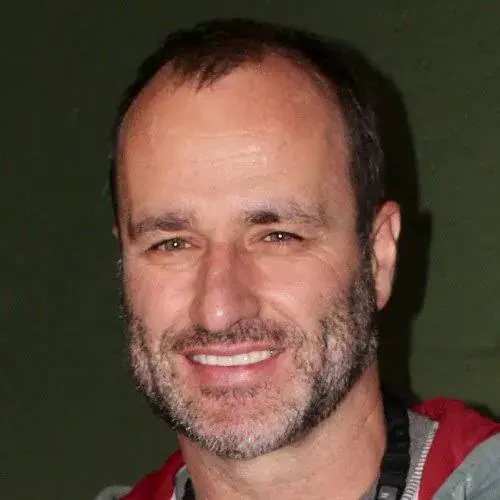
The Namibian government has initiated steps to revoke the passport of Maren De Klerk, a key figure in the Fishrot scandal. According to documents obtained by Namibian Sun, the government's decision follows an investigation into De Klerk's alleged involvement in the scandal. De Klerk, a South African national, was previously implicated in the Fishrot scandal, which involves the illegal allocation of fishing quotas in Namibia.
In February, the government instructed its attorneys to take steps to revoke De Klerk's passport, citing concerns that he may flee the country. The move is part of a broader effort to bring De Klerk to justice over his alleged role in the Fishrot scandal. De Klerk's passport was seized by Namibian police in June 2024, along with assets worth N$1.3 million. The government's efforts to revoke his passport are seen as a significant escalation of the case against him.
De Klerk's lawyer, Jabulani Ncube, has argued that the government's decision to revoke his client's passport is unlawful. Ncube claims that the government's actions are aimed at preventing De Klerk from leaving the country, rather than ensuring that he faces justice. The case against De Klerk is linked to the Fishrot scandal, which involves the illegal allocation of fishing quotas to companies linked to the former Minister of Fisheries and Marine Resources, Bernhard Esau.
The Fishrot scandal has been the subject of intense scrutiny in Namibia, with several high-profile individuals implicated in the case. De Klerk's company, Seaflower Pelagic Processing, was awarded a fishing quota by the National Fishing Corporation of Namibia (Fishcor). The company's involvement in the scandal has raised questions about the integrity of Namibia's fishing industry.
Martha Imalwa, a senior government official, has written to the Namibian police, urging them to take action against De Klerk. Imalwa's letter, dated February 2024, states that De Klerk's actions have caused significant financial losses to the Namibian government. The government has also frozen several bank accounts linked to De Klerk and his associates.
The Namibian government has taken steps to recover assets allegedly linked to De Klerk. In July, the government obtained a court order to freeze assets worth N$75.3 million linked to De Klerk and his company, Celax Investments Number One. The government's efforts to recover assets are part of a broader effort to hold those implicated in the Fishrot scandal accountable.
The case against De Klerk is ongoing, with the government seeking to bring him to justice over his alleged role in the Fishrot scandal. The government's decision to revoke De Klerk's passport is seen as a significant step in the case, and it remains to be seen how the matter will be resolved.
Key points
- The Namibian government has initiated steps to revoke Maren De Klerk's passport over alleged involvement in the Fishrot scandal.
- De Klerk's lawyer has argued that the government's decision to revoke his client's passport is unlawful.
- The case against De Klerk is linked to the Fishrot scandal, which involves the illegal allocation of fishing quotas in Namibia.