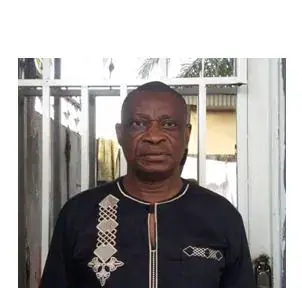
A South Sudanese political commentator, Samuel Peter Oyay, has been detained in the United Arab Emirates (UAE) for a year without charge. Oyay was arrested on September 30, 2025, by Emirati security forces in civilian clothes at his home in Dubai. His family was not informed of the charges or the legal basis for his arrest. Oyay had been running a private business in the UAE and writing regularly for independent South Sudan-focused platforms, criticizing the government of South Sudan for corruption.
Oyay fled South Sudan in 2014, fearing for his safety. He had been critical of President Salva Kiir's government, accusing it of corruption that benefits the elite. In his last article published before his detention, Oyay criticized the trial of Riek Machar, the suspended first vice president and leader of the main opposition party. The UAE and South Sudan have strengthened their bilateral relations in recent years, with President Kiir visiting the UAE at least three times in 2025.
Human Rights Watch has expressed concern over Oyay's detention, stating that the UAE government's zero-tolerance policy toward peaceful criticism is increasingly targeting critics of Abu Dhabi's foreign allies who live in the UAE. Joey Shea, senior United Arab Emirates researcher at Human Rights Watch, said that Emirati authorities should immediately release Oyay, who has been held for a year without charge.
During his arrest, Oyay was not shown a warrant, and his family was not informed of his whereabouts for five months. He was allowed to call his family two weeks later and was being held in al-Wathba prison as of February 24, 2026. Oyay was moved to another prison on March 3, and prison authorities allow him one short phone call per week.
Oyay's family received a call from UAE authorities on March 2, authorizing a visit for March 3, but when they tried to visit him, the authorities told them that he had been moved to another prison that day. The family was finally able to visit Oyay on July 8, after UAE authorities called them on July 1 to schedule a visit. However, they have not been able to visit since.
Human Rights Watch has documented the UAE's longstanding record of arbitrary detention, enforced disappearances, torture, denial of medical care, prolonged solitary confinement, and continued detention beyond completed sentences. The UAE's 2003 State Security Apparatus Law gives state security officers wide powers to hold detainees for lengthy periods without judicial scrutiny.
Human Rights Watch has called on the UAE to ensure that every detainee is taken before an independent judge within 48 hours to consider the legality and necessity of their detention. The organization has also stated that the UAE's continued detention of Oyay shows authorities' relentless attack on human rights against its own citizens and residents who make the UAE their home.
Key points
- The UAE government’s zero-tolerance policy toward peaceful criticism is increasingly targeting critics of Abu Dhabi’s foreign allies who live in the UAE.
- Oyay's detention is a concern for Human Rights Watch, which has documented the UAE's longstanding record of arbitrary detention and enforced disappearances.
- The UAE's 2003 State Security Apparatus Law gives state security officers wide powers to hold detainees for lengthy periods without judicial scrutiny.