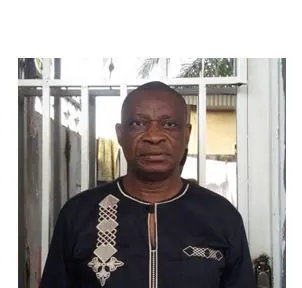
The preservation of Songye proverbs and the Kisongye language has been highlighted as a vital means of protecting the cultural memory and values of the Democratic Republic of Congo. According to writer Jacques Lukula, these proverbs constitute a form of recording experiences, values, and social behavior principles. He emphasizes that they allow for correction, instruction, advice, and transmission of important thoughts. Lukula's work in collecting Songye proverbs was driven by a sense of responsibility towards collective memory.
Lukula notes that his work has not been without challenges, particularly in accurately translating certain thoughts expressed in the Kisongye language. He believes that these proverbs are testimonies of an intermediate generation that received wisdom from elders, which is now less present in traditional transmission spaces. The writer also acknowledges that the tradition of oral transmission is not disappearing but is transforming through new communication means, such as audiovisual content recording and diffusion.
The use of digital technology has enabled the conservation of knowledge that might have otherwise disappeared with elderly individuals. Lukula mentions that some of the proverbs he collected originated from social media, where young people exchange and publish content, thereby contributing to the circulation and transmission of their cultural heritage. He advocates for a better valorization of Songye proverbs in schools, cultural centers, and national initiatives for heritage preservation.
Lukula stresses the importance of the Kisongye language in understanding the depth of the proverbs, which can be difficult to grasp when detached from their cultural context. He explains that proverbs have a unique characteristic: their message is often veiled, requiring an effort of interpretation to fully comprehend. The writer proposes integrating proverbs into school curricula, organizing workshops in cultural centers, and developing initiatives dedicated to preserving intangible cultural heritage.
The Songye people are not only present in the Lomami province but also in certain areas of the Maniema, Sankuru, and Tanganyika provinces. Lukula's work aims to promote the Kisongye language and cultural heritage, which he believes are essential for the identity and values of the Songye people. He encourages young people to participate in the preservation and transmission of their cultural heritage.
The importance of preserving cultural heritage cannot be overstated, particularly in the face of modernization and globalization. Lukula's efforts to collect and promote Songye proverbs serve as a model for similar initiatives aimed at preserving the cultural diversity of the Democratic Republic of Congo. By working together, it is possible to safeguard the country's rich cultural heritage for future generations.
The Democratic Republic of Congo is home to a rich cultural diversity, with over 450 ethnic groups, each with their unique language and traditions. Preserving this cultural heritage is crucial for promoting national unity and identity. The preservation of Songye proverbs is just one example of the many initiatives underway to safeguard the country's cultural heritage.
Key points
- The preservation of Songye proverbs and the Kisongye language is essential for protecting the cultural memory and values of the Democratic Republic of Congo.
- The use of digital technology has enabled the conservation of knowledge that might have otherwise disappeared with elderly individuals.
- Integrating proverbs into school curricula and promoting cultural heritage can help to safeguard the country's rich cultural diversity.