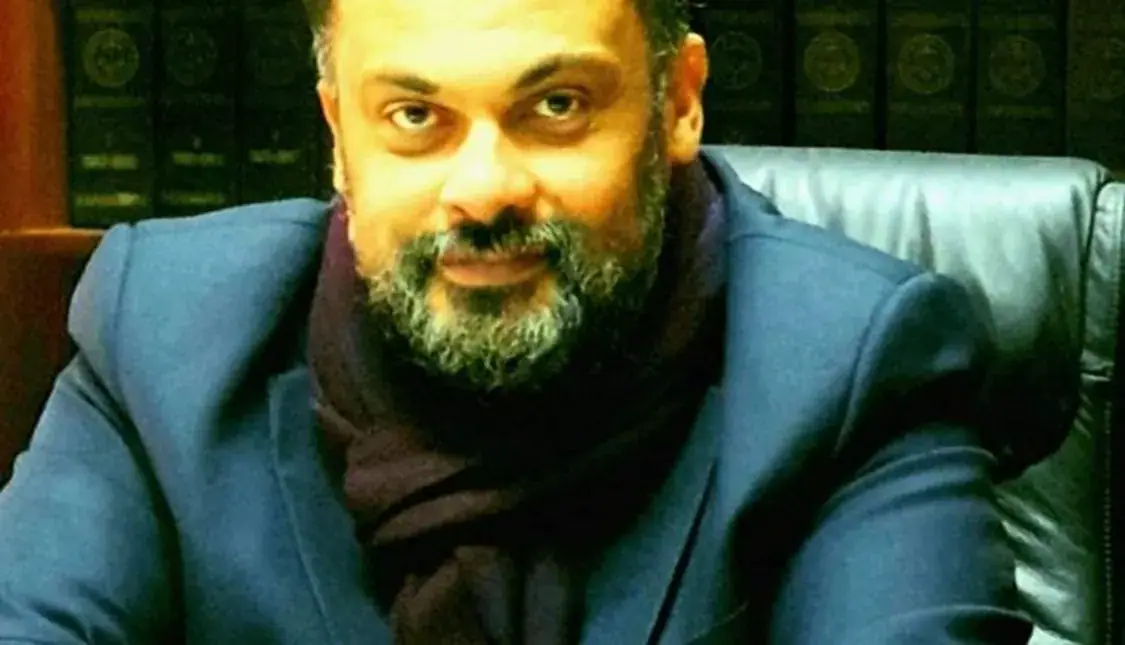
Morocco's parliamentary landscape has recently seen the emergence of two unexpected figures: Omar Mahmoud Benghaloun and Mahmoud Errachane. Both individuals hail from the country's past, specifically from the 1970s and 1980s. Benghaloun, a young parliamentarian, appears out of place due to his late arrival and distinct language, style, and opposition approach. His background in national parties, the Socialist Union of Popular Forces, and the Democratic and Socialist Vanguard Party sets him apart from his contemporaries.
Benghaloun's entry into parliament was met with surprise, as he seemed to belong to a bygone era. His use of strong opposition language and old-school politics drew attention, with some viewing him as an outsider. Despite his youthful appearance, Benghaloun's words reveal his true nature. As he navigated the parliament, he found a world vastly different from his own time, with the disappearance of leftist and ideological parties. The parliament's current dynamics, including the absence of a strong left wing, left Benghaloun feeling like a relic from the past.
Not only Benghaloun but also Mahmoud Errachane, a former communist, has made a significant impact on the parliament. Errachane's presence brought back memories of Morocco's past, including the years of lead, a period marked by repression and human rights abuses. His arrival sparked discussions about the country's past and the need for reconciliation. The two men's entrance into parliament has generated significant interest and debate, with some viewing them as nostalgic reminders of a bygone era.
As Benghaloun and Errachane settle into their new roles, they face the challenge of adapting to the current parliamentary landscape. Benghaloun, in particular, has begun to adjust to the new dynamics, with his fellow parliamentarians slowly getting accustomed to his style. Despite being an outlier, Benghaloun remains committed to his principles and language, which are rooted in his past experiences. His determination to make a difference in the parliament has sparked both curiosity and skepticism among his peers.
The emergence of Benghaloun and Errachane has also sparked discussions about the state of Moroccan politics. Some view their arrival as a sign of a changing landscape, while others see them as relics of a bygone era. The two men's presence has also raised questions about the role of the past in shaping the country's future. As Morocco continues to navigate its complex history, the contributions of Benghaloun and Errachane will likely play a significant role in shaping the country's parliamentary dynamics.
The king's late advisor and former interior minister have also been mentioned in the context of Benghaloun and Errachane's arrival. The nostalgia and memories triggered by their presence have sparked a flurry of discussions and debates. As the parliament continues to evolve, the influence of these two newcomers will be closely watched. Their determination to make a difference, despite being outsiders, has generated significant interest and attention.
As Morocco's parliament continues to navigate its complexities, the presence of Benghaloun and Errachane serves as a reminder of the country's rich history and the ongoing quest for democratic reforms. The two men's commitment to their principles and values will likely shape the country's parliamentary dynamics in the years to come. Their emergence has added a new layer of complexity to Moroccan politics, sparking discussions about the role of the past in shaping the country's future.
Key points
- - Omar Mahmoud Benghaloun and Mahmoud Errachane's emergence in Morocco's parliament has sparked significant interest and debate. - The two men's backgrounds in national parties and their experiences during Morocco's past have shaped their approaches to politics. - Their presence has raised questions about the role of the past in shaping Morocco's future and the ongoing quest for democratic reforms.