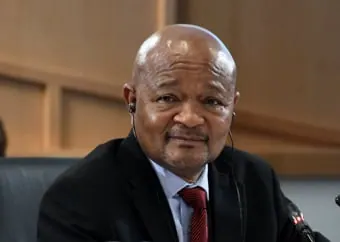
According to recent reports, Senzo Mchunu, the South African Minister of Police, who is currently on special leave, has earned over R3 million in the past year despite not being actively engaged in his ministerial duties. This revelation has sparked debate and raised questions about the compensation of government officials. Mchunu's earnings have been highlighted alongside those of another minister, with both reportedly earning over R6 million for a single term. The details of their compensation packages have not been fully disclosed.
The South African government has faced scrutiny over the remuneration of its officials, with many citizens expressing concern about the high salaries and benefits enjoyed by politicians. The country has been grappling with significant socio-economic challenges, including high levels of unemployment, poverty, and inequality. Against this backdrop, the earnings of government officials have become a sensitive topic, with many arguing that their compensation should be more in line with the economic realities faced by ordinary citizens.
Minister Mchunu was placed on special leave following allegations of impropriety. His current status and the investigations into his conduct have been the subject of public interest. While Mchunu's earnings have been reported, the specifics of the other minister's compensation package have not been detailed. The revelation has prompted calls for greater transparency and accountability in government spending.
The issue of ministerial remuneration is not new in South Africa. In the past, there have been debates and controversies surrounding the salaries and benefits of government officials. The Public Protector and other oversight bodies have been involved in investigations and determinations regarding the compensation of ministers and other public officials. The aim has been to ensure that their earnings are justified and in line with the country's laws and regulations.
The South African government has taken steps to increase transparency and accountability in the disclosure of ministerial earnings. However, more work needs to be done to address public concerns and ensure that the compensation of government officials is fair and justifiable. The country's anti-corruption agencies and oversight bodies will likely continue to play a crucial role in monitoring and reporting on the earnings and conduct of public officials.
The War Museum of the Boer Republics in Bloemfontein has been identified as South Africa's preferred heritage destination. This recognition highlights the significance of the museum in preserving the country's history and cultural heritage. The museum serves as an important educational resource, providing insights into the country's complex past and its ongoing efforts to promote understanding and reconciliation.
The issue of ministerial earnings and government accountability will likely continue to be a topic of public debate in South Africa. The country's citizens and civil society organizations will likely continue to push for greater transparency and accountability in government spending. The outcome of investigations into Minister Mchunu's conduct and the details of ministerial compensation packages will be closely watched.
Key points
- Two South African ministers have been reported to have earned over R6 million for a single term, sparking debate about government accountability and transparency.
- Senzo Mchunu, the Minister of Police on special leave, earned over R3 million in the past year despite not being actively engaged in his duties.
- The issue of ministerial remuneration has raised concerns about fairness and justifiability in the context of the country's socio-economic challenges.