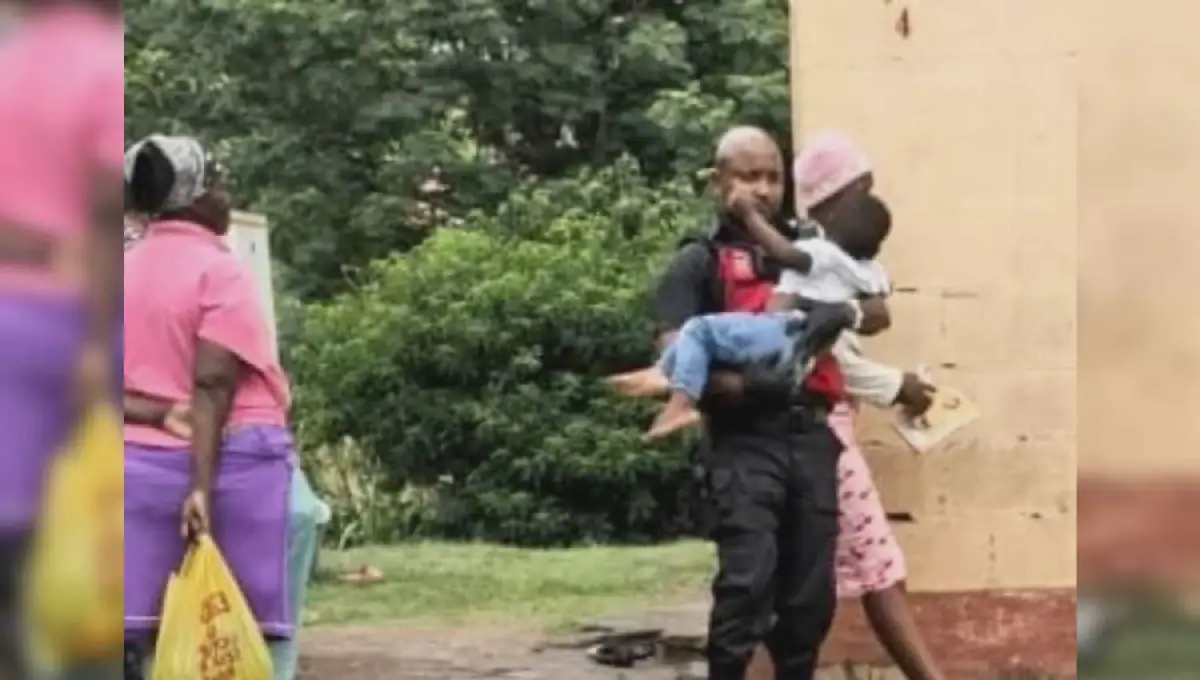
A two-year-old boy was rushed to Osindisweni Government Hospital on Saturday after reportedly swallowing an unknown quantity of antipsychotic medication at his home in Parkgate, KwaZulu-Natal. According to Reaction Unit South Africa (RUSA), the toddler gained access to the medication while his grandmother was outside doing laundry. RUSA paramedics responded and transported him to the hospital for urgent medical care.
This incident was not an isolated case, as a four-year-old girl was also hospitalised on the same day after reportedly swallowing unidentified tablets that another child had retrieved from a bin. RUSA paramedics assisted the girl and transported her to the same hospital. The circumstances surrounding both incidents serve as a stark reminder of the dangers of unattended medicines in homes.
The National Department of Health has emphasised the importance of keeping medicines locked away, out of children's sight and reach, and in their original containers. This is a crucial step in preventing accidental poisoning, which can occur during moments of distraction. The department's guidelines also advise against leaving medicines on kitchen counters or at a child's bedside.
Medicine containers should be closed immediately, even when an adult is interrupted, as poisoning can occur quickly. The department recommends taking expired or unwanted medicines to a pharmacy or health facility for safe disposal. These precautions can significantly reduce the risk of accidental poisoning and ensure a safer environment for children.
The incidents in KwaZulu-Natal highlight the need for vigilance and caution when it comes to medicine storage. Parents and caregivers must take proactive steps to prevent such incidents, including keeping medicines out of reach and educating children about the dangers of ingesting unknown substances. By taking these precautions, the risk of accidental poisoning can be significantly reduced.
The current condition of the two children hospitalised is not publicly available. However, the incidents serve as a reminder of the importance of proper medicine storage and safety precautions. The National Department of Health's guidelines provide valuable information for parents and caregivers on how to prevent accidental poisoning and ensure a safer environment for children.
The Reaction Unit South Africa (RUSA) plays a critical role in responding to medical emergencies, including cases of accidental poisoning. Their prompt response in these incidents likely helped prevent further harm to the children. The organisation's efforts, combined with public awareness and education, can help reduce the incidence of accidental poisoning in South Africa.
Key points
- Medicine containers should be closed immediately and kept out of children's sight and reach.
- The National Department of Health advises against leaving medicines on kitchen counters or at a child's bedside.
- Expired or unwanted medicines should be taken to a pharmacy or health facility for safe disposal.