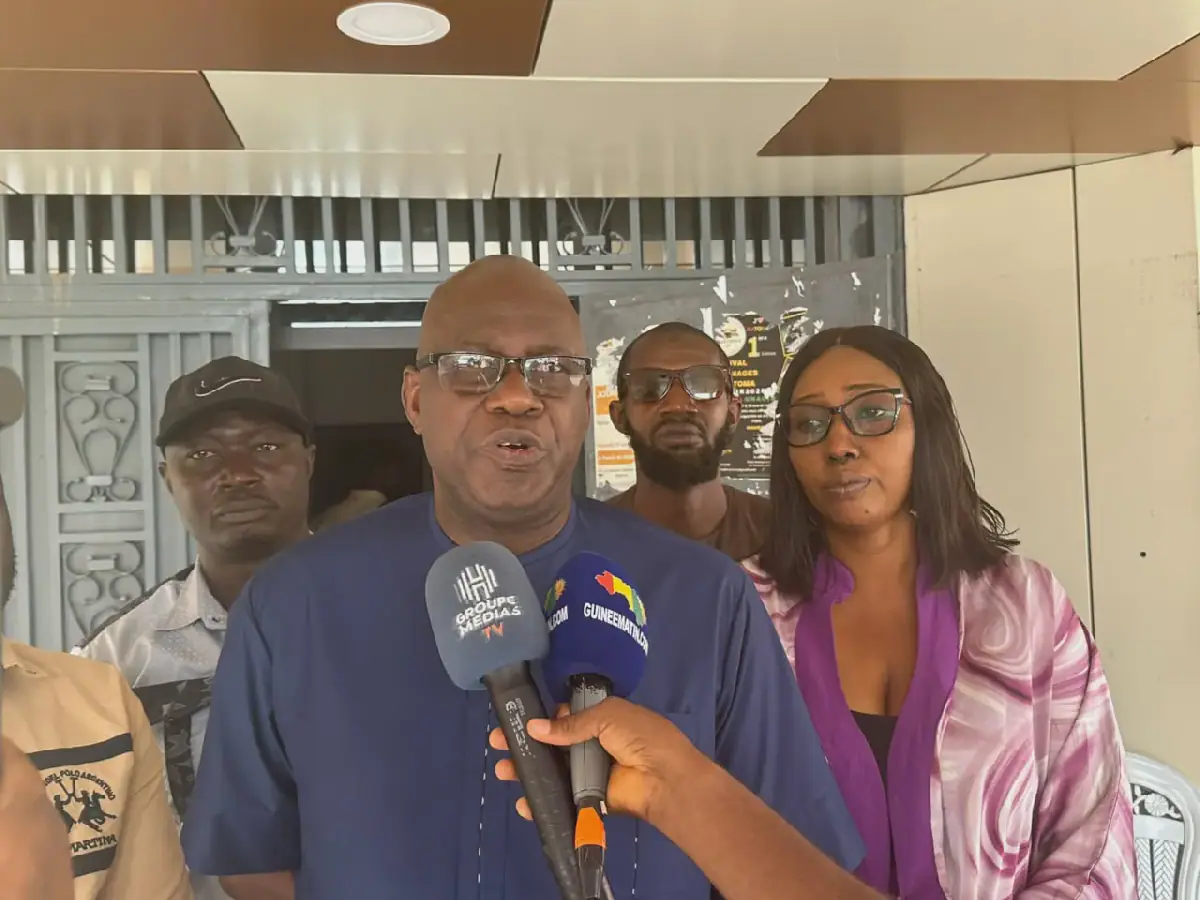
In a peaceful and well-organized election held on November 29, 2026, the commune of Ratoma in Guinea chose two candidates to represent them in the Conakry Regional Council. The election, which took place without any major tensions, saw 41 communal councilors cast their votes to select the representatives. The process was marked by a sense of civic duty and participation in the decentralization process in Guinea. The election was hailed as an unprecedented experience in local governance.
The election was overseen by the mayor of Ratoma, Kabinet Diawara, who expressed satisfaction with the turnout and the calm atmosphere that characterized the voting process. He praised the authorities for organizing the election and noted that it was a significant step in the decentralization process. Diawara emphasized the importance of civic participation in the electoral process and thanked the president of the Republic for his vision in promoting local governance.
The two candidates chosen to represent Ratoma in the Conakry Regional Council were selected unanimously by the 41 communal councilors. This, according to Mayor Diawara, demonstrates the unity and cohesion that exists within the communal executive. The candidates, who were chosen without any influence or bias, are expected to represent the interests of Ratoma in the regional council. The mayor's comments highlight the commune's commitment to transparency and fairness in the electoral process.
Yatignan Mansaré, one of the candidates, expressed his satisfaction with the electoral process and emphasized the historical significance of the Conakry Regional Council election. He noted that this election marks a major milestone in the decentralization process in Guinea, which has been ongoing for some time. Mansaré praised his colleagues for their efforts in reaching a consensus on the candidates and expressed his hope of being retained as a representative of Ratoma in the regional council.
The Conakry Regional Council election is seen as a crucial step in the decentralization process in Guinea. The council is expected to play a key role in promoting local governance and addressing the needs of communities in the region. The election of representatives from Ratoma and other communes is an important aspect of this process, as it will help to ensure that the voices of local communities are heard at the regional level.
The mayor of Ratoma and the candidates have emphasized the importance of civic participation and transparency in the electoral process. Their comments highlight the need for continued engagement and inclusivity in local governance. The election in Ratoma is seen as a positive example of how local communities can come together to choose their representatives and participate in the decentralization process.
The outcome of the election in Ratoma is expected to have a positive impact on the commune and the wider region. The representatives chosen to sit on the Conakry Regional Council will play a key role in promoting the interests of local communities and addressing their needs. The election is a significant step forward in the decentralization process in Guinea and demonstrates the country's commitment to promoting local governance and civic participation.
Key points
- The election in Ratoma was marked by a high level of civic participation and a calm atmosphere, with 41 communal councilors casting their votes to select two representatives for the Conakry Regional Council.