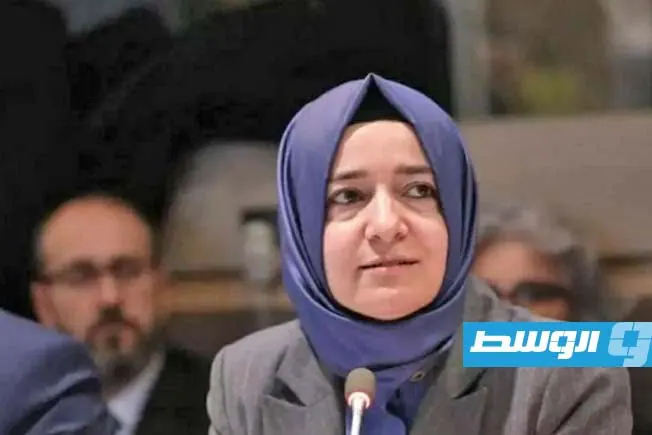
Turkish former minister Betul Sayan Kaya, deputy secretary-general of the ruling Justice and Development Party, announced her resignation late on Saturday, September 26, 2026, amid a massive investment fund crisis. Kaya stated that she submitted her resignation to the party leader, President Recep Tayyip Erdogan, to avoid turning her position into a topic of public debate and ensure an independent and impartial investigation. The crisis began earlier this month, sparking fears of a liquidity crisis.
The investment fund crisis, which started in early September, led to a significant backlash, with regulatory bodies quickly moving to address the issue. Seven companies owning 131 investment funds, with assets worth approximately $17 billion, were liquidated. The opposition party, the New Party, sought clarification on reports that Kaya invested 63 million lira ($1.3 million) in stocks, generating returns of around 1.3 billion lira.
Kaya's husband and she sold shares before the scandal broke. The New Party's request for clarification comes as the Turkish government faces scrutiny over its handling of the crisis. Kaya stated that it is essential to take political responsibility, ensuring that her position does not become a subject of public debate and that an independent investigation is conducted.
The ruling Justice and Development Party's spokesperson, Omar Celik, stated that the party will combat all forms of irregularities "without leniency." Celik added that if any allegations are made, an investigation will be conducted, and those responsible will be held accountable before the law. Turkish media reported that 51 people have been detained in connection with the scandal, including a former deputy governor of the Central Bank of Turkey.
The crisis emerged after the Turkish Capital Markets Board changed its guidelines for investment funds, requiring them to diversify their assets. The move aimed to address concerns that many funds were heavily investing in a few obscure or hard-to-sell stocks. As a result, funds began selling shares, sparking panic among investors who tried to liquidate their investments.
The situation escalated into a full-blown crisis when several companies admitted they could not meet investor demands for redemption, leading to a crisis on the Istanbul Stock Exchange. The Capital Markets Board subsequently liquidated all 131 investment funds, affecting over 455,000 investors. President Erdogan downplayed the risks to the Turkish economy, stating that there is no danger to the financial system or the economy.
Erdogan emphasized that necessary measures are being taken within the framework of capital market regulations and the law, and those found responsible will be held accountable. Kaya's resignation and the ongoing crisis have raised questions about the Turkish government's handling of the situation and the potential consequences for the country's economy.
Key points
- Turkish former minister Betul Sayan Kaya resigns amid investment fund crisis
- 51 people detained in connection with the scandal
- President Erdogan vows to hold those responsible accountable