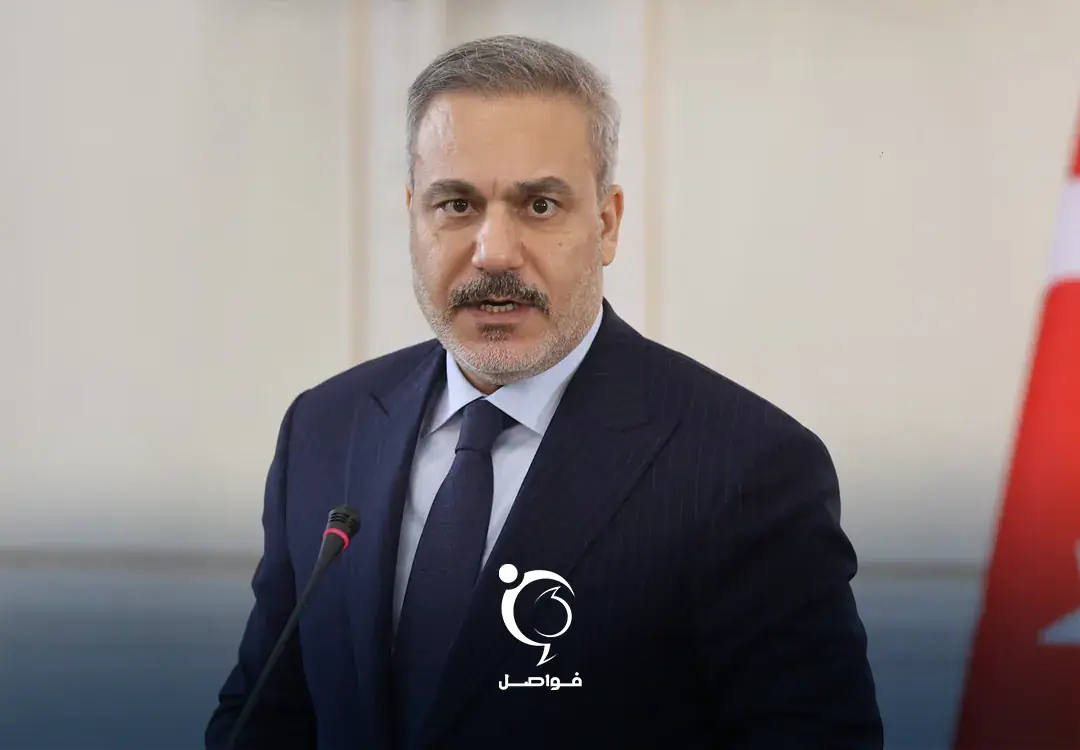
Turkish Foreign Minister Hakan Fidan expressed optimism about the East Mediterranean power link project, stating that all issues related to the project are proceeding normally. He made these comments in response to concerns over a maritime dispute with Greece. The project aims to connect the electricity grids of Greece and Cyprus, with plans to extend it to Israel. Fidan's remarks came after a phone call with Egyptian Foreign Minister Badr Abdellati, during which they discussed developments in the Middle East and East Mediterranean.
The dispute between Turkey and Greece centers on a French research vessel, the "Abel Marengo", which was set to resume its survey of the sea floor in preparation for the power link project. Turkey claims that parts of the survey area fall within its continental shelf, and that it needs to grant permission for the work to proceed. Greece, however, maintains that it has the right to issue licenses for maritime activities in areas it considers to be under its jurisdiction. The vessel was expected to depart from the port of Heraklion in Crete to continue its survey.
Fidan's comments were reported by the Greek newspaper Kathimerini, which stated that the Turkish Foreign Minister said "everything is normal, everything is fine". This suggests that Turkey and Greece may have reached a resolution on the issue of navigation warnings, known as Navtex, which were issued by Turkey in response to Greek and Cypriot notifications allowing the French vessel to operate. The development could pave the way for the resumption of work on the power link project.
The East Mediterranean power link project is a significant initiative aimed at connecting the electricity grids of Greece, Cyprus, and potentially Israel. The project has been in development for several years, but has faced delays due to disputes over navigation and territorial claims. The resolution of the dispute between Turkey and Greece could help to move the project forward, which would have significant economic and energy implications for the region.
Turkey's stance on the issue has been consistent, with the country maintaining that it has the right to grant permissions for maritime activities in areas it claims as its continental shelf. Greece, on the other hand, has been adamant that it has the right to issue licenses for activities in areas it considers to be under its jurisdiction. The two countries have had a long-standing dispute over maritime boundaries and territorial claims.
The phone call between Fidan and Abdellati also highlighted the importance of regional cooperation and diplomacy in addressing issues related to energy and maritime security. Egypt, Greece, and Turkey are all key players in the region, and their cooperation is essential for the success of initiatives such as the East Mediterranean power link project.
The resolution of the dispute between Turkey and Greece could have significant implications for the region, including the potential to increase energy cooperation and economic development. The East Mediterranean power link project is just one example of the initiatives underway to develop the region's energy resources and promote economic growth.
Key points
- Turkey and Greece have apparently resolved their dispute over navigation warnings, paving the way for the resumption of work on the East Mediterranean power link project.