The conflict in Yemen has intensified, with the Yemeni government forces claiming to have made progress along the Red Sea coast and in the strategic Bab-al-Mandeb strait. They have captured key locations, including the city of Mokha, although Houthi forces deny this and claim to still control the vital waterway. The Yemeni government's latest operation, dubbed "Time of Yemen's Sunrise," involves over 100 combat aircraft conducting airstrikes on Houthi-held areas, targeting military installations and key infrastructure.
The Houthi rebels have responded by increasing their attacks on Saudi Arabia, with reports of ballistic missiles and drones targeting energy facilities and other strategic sites. This escalation has raised concerns about the potential impact on regional energy supplies and trade. The United States has advised its citizens in Saudi Arabia to exercise caution, citing the risk of drone and missile attacks, and to follow civil defense instructions.
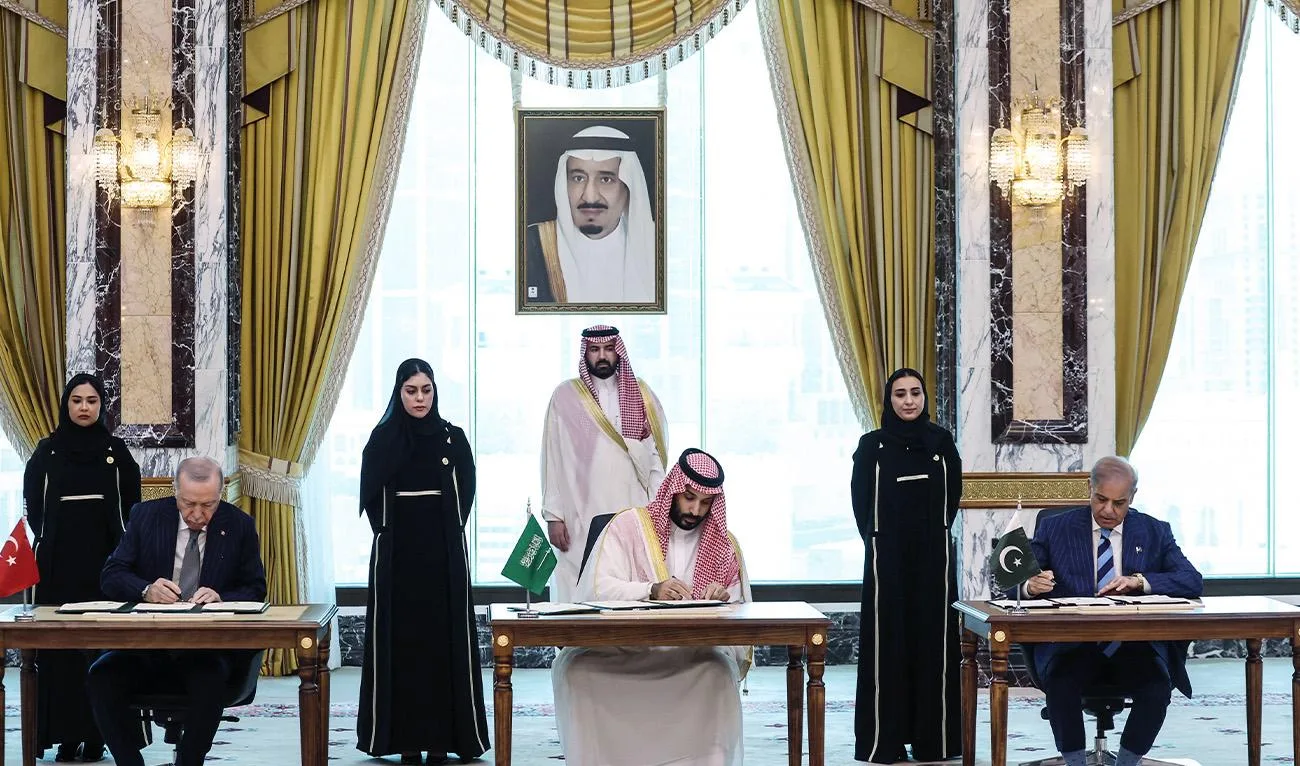
In response to the growing threat, Turkey, Saudi Arabia, and Pakistan have formed a new alliance, agreeing to activate the collective defense provisions of the Makkah Agreement. This pact stipulates that an attack on one member state will trigger a unified response and cooperation in defense. The agreement aims to enhance regional security and deter further aggression.
The Islamic Republic of Iran has expressed concern about the escalation of violence and suggested a political solution to the Houthi crisis. Iranian officials have urged restraint and dialogue to resolve the conflict. Pakistan's Foreign Minister has stated that the Makkah Agreement members will discuss Iran's proposal and the possibility of political talks with the Houthis.
The conflict in Yemen has been ongoing for several years, with the Houthi rebels, backed by Iran, fighting against the Yemeni government and its Saudi-led coalition. The situation has led to a significant humanitarian crisis, with thousands of civilians displaced and affected by the violence. The international community has called for a peaceful resolution to the conflict.
The new alliance between Turkey, Saudi Arabia, and Pakistan is seen as a significant development in the region, with the potential to impact the balance of power in the Middle East. The three countries have agreed to cooperate on defense and security issues, including counter-terrorism and intelligence sharing. This cooperation may help to mitigate the threat posed by the Houthi rebels and other extremist groups.
The situation in Yemen remains volatile, with ongoing clashes and airstrikes reported in various parts of the country. The humanitarian situation is dire, with many civilians in need of assistance. The international community continues to call for a peaceful resolution to the conflict, and the new alliance between Turkey, Saudi Arabia, and Pakistan may play a key role in achieving this goal.
Key points
- The new alliance between Turkey, Saudi Arabia, and Pakistan aims to counter Houthi attacks in Yemen through collective defense and cooperation.