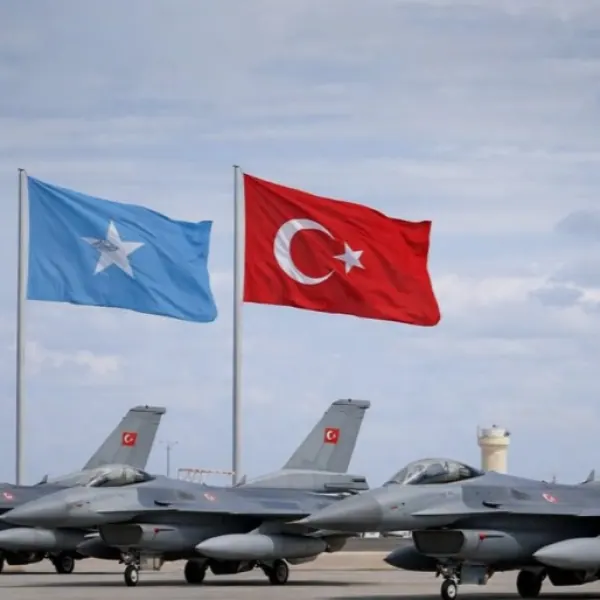
Turkey has significantly increased its presence in Somalia, investing heavily in the country's infrastructure and military. The Turkish government has established its largest overseas military base in Somalia and is building a spaceport on the Somali coast dedicated to launches and satellite technologies. Additionally, Turkish companies operate the city's airport and seaport, and the country has provided significant aid during droughts, floods, and famines.
However, opposition parties and some Somalis have expressed concerns that Turkey's involvement in Somalia is no longer neutral. They accuse Turkey of taking sides in the country's ongoing political crisis, particularly after Turkish F-16s were involved in a battle against forces loyal to an ousted governor in the city of Baidoa. Furthermore, an airstrike on September 3 injured opposition leader General Mahad Abdirahman in the southern town of Doolow, sparking rare anti-Turkey protests in the region.
The incident sparked widespread criticism, with some Somalis burning the Turkish flag and desecrating images of Turkish President Recep Tayyip Erdogan. District commissioner Omar Abdullahi told a crowd of protesters in nearby Afmadow that "Turkey is a new colonial power that is occupying Somalia and is killing Somali people." The opposition met with Turkish diplomats to warn against taking sides in the conflict, but Turkey's involvement in Somalia's internal conflicts continues to grow.
Despite the criticism, the Somali government has defended its relationship with Turkey, saying that the opposition is using "disinformation" to malign the partnership. Parliament speaker Abdulkadir Mohamed Nur described the burning of the Turkish flag as "shameful" and emphasized the importance of the partnership between the two countries. Somali MP Amina Mohamed Mursal also expressed gratitude towards Turkey, saying that the Turks "are our brothers and sisters... They came to our aid during difficult times."
However, some ordinary Somalis remain wary of Turkey's growing influence in the country. Mogadishu resident Dahir Ahmed expressed concerns that Turkey can no longer be seen as a neutral partner, saying that its backing of the federal government's leadership is deepening political divisions and fuelling resentment. Businessman Shueyb Yare also noted that many people now openly criticize Turkey, a marked change from the widespread support it enjoyed when it first became involved in Somalia.
A senior Turkish official working on the Somalia file emphasized that Turkey's interests in Somalia go beyond the current government and that the country is committed to working with successive leaders. The official stated that "a succession of presidents and politicians has held office, and we have worked in perfect cooperation with these successive leaders." A Western diplomat based in Mogadishu also noted that Turkey is a highly sophisticated actor that will support whoever best secures its interests.
As Turkey continues to invest in Somalia's infrastructure and military, concerns about its growing influence in the country are likely to persist. While some Somalis appreciate Turkey's aid and support, others fear that the country's involvement in Somalia's internal conflicts will exacerbate the ongoing political crisis. The situation remains complex, with multiple stakeholders vying for influence in the country.
Key points
- Turkey's growing military presence in Somalia has raised concerns among opposition parties and some Somalis.
- The Somali government has defended its relationship with Turkey, saying that the opposition is using "disinformation" to malign the partnership.
- Turkey's involvement in Somalia's internal conflicts continues to grow, despite criticism from some Somalis and opposition parties.