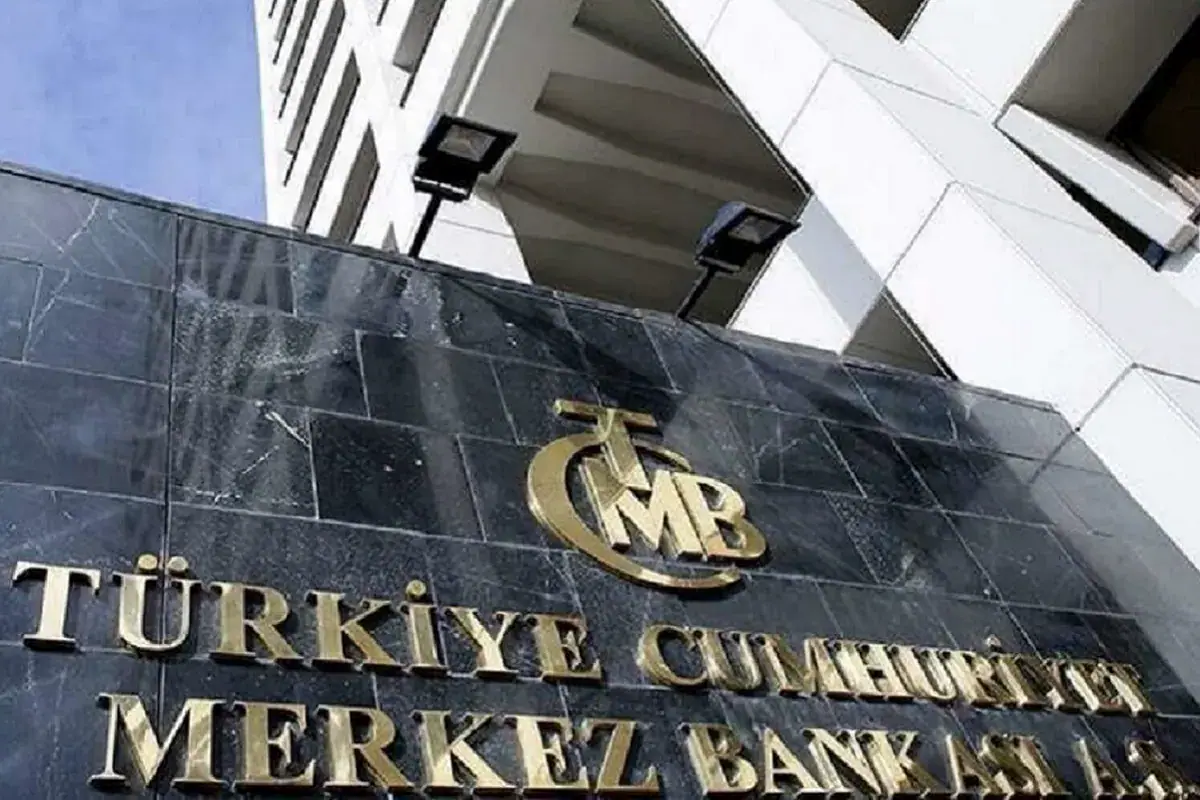
The Turkish central bank's ability to cut interest rates has been limited by a significant decline in its foreign exchange reserves. According to a Bloomberg Economics report, the net foreign exchange reserves have plummeted by approximately $43 billion since mid-September, reaching around $2 billion. This substantial decrease has raised concerns about the bank's capacity to support the Turkish lira.
Market expectations for an interest rate cut in December have decreased substantially. Previously, forecasts suggested a 100 basis point reduction, but current expectations are limited to only 10 basis points. This change in expectations is attributed to the decline in foreign exchange reserves, which makes further rate cuts riskier. A rate cut could compromise the advantage of the lira's yield and lead to capital outflows.
The Turkish lira has been depreciating at a slower rate than inflation, as part of a strategy to curb inflationary pressures. Maintaining this approach requires sufficient foreign exchange reserves and sustained investor demand for the currency. The central bank's ability to support the lira is crucial in the current economic climate, where investor confidence has been shaken by the crisis in the private equity sector.
The decrease in foreign exchange reserves has led to a rise in bond yields. Turkish government bonds denominated in lira have declined, with the 10-year yield reaching a record 37.02%. The 2-year yield has also increased. Additionally, derivatives linked to the central bank's December meeting have gained about one percentage point, and swap rates on one- and three-month indices have risen.
The sharp decline in foreign exchange reserves marks a reversal of trend from a few months ago, when the central bank was rebuilding its reserves. The crisis in the private equity sector has eroded investor confidence, while a combination of risks has reduced appetite for emerging market currencies. This has limited the central bank's ability to implement monetary policy easing.
According to Tufan Comert of BBVA, the pace of reserve reduction is increasingly important for monetary policy prospects. Despite the decline in international oil prices, the likelihood of a rate cut in December remains limited. Market participants are already anticipating less monetary easing, which has impacted the Turkish bond market.
The situation highlights the challenges facing the Turkish central bank in its efforts to balance monetary policy and support the economy. With depleted foreign exchange reserves and limited room for rate cuts, the bank must carefully consider its next moves to maintain economic stability and manage inflationary pressures.
Key points
- Turkey's central bank faces constraints on monetary policy easing due to depleted foreign exchange reserves.
Reporting sources
- Turquie : la « chute » des réserves de change limite les anticipations de baisse des taux d’intérêt · L'Économiste maghrébin