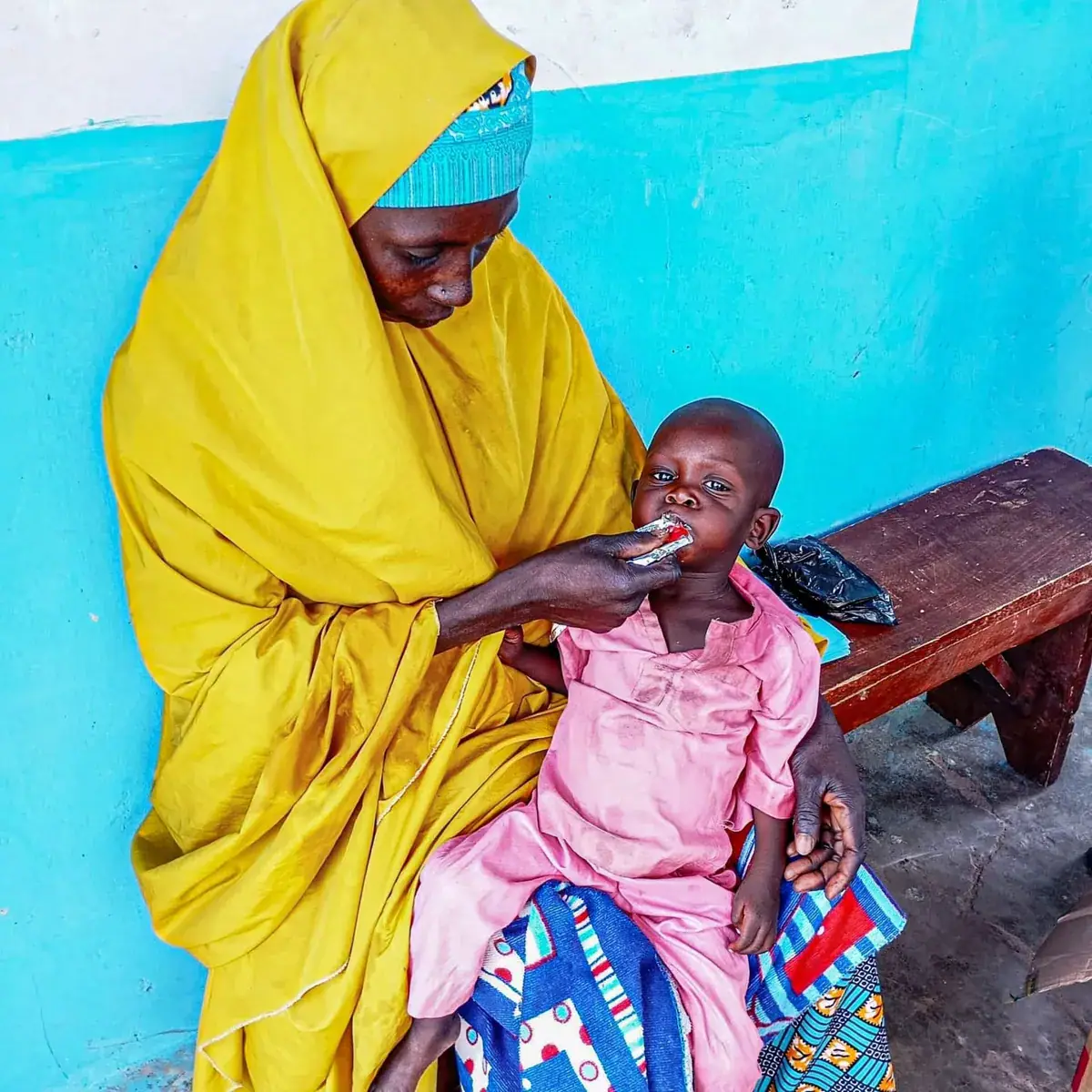
In Yobe State, Nigeria, many children have benefited from nutritional support and healthcare services provided under the Multisectoral Integrated Nutrition Action Project (MINA). The project, implemented by UNICEF and its partners, has helped children like 16-month-old Modu Mustapha, who was severely malnourished and weak after his biological mother's death. His aunt, Amina Bukar, took him in and sought help, which eventually came through MINA. Today, Modu has regained strength and is doing much better.
Modu's experience illustrates the importance of identifying malnutrition early and ensuring that affected children receive appropriate treatment. Fatima Bana's 20-month-old son, Adamu Bukar, also battled severe acute malnutrition, leaving her worried that he might not survive. However, with nutritional support and care, Adamu recovered and is now healthy and strong. Their stories reflect the burden malnutrition places on families, particularly those struggling with insecurity, displacement, economic hardship, and limited access to nutritious food.
The prolonged crisis in the North-East has disrupted livelihoods and food production, leaving many households with difficulties providing balanced meals for their children. Children under five are particularly vulnerable to the consequences. To address the problem, UNICEF is implementing MINA to strengthen nutrition services, promote early identification, and support the treatment of children suffering from malnutrition. The project aims to provide free ready-to-use therapeutic food to help children recover from malnutrition.
However, access to treatment is only one part of the challenge. The availability of nutritious food, caregivers' knowledge, and the ability to recognize danger signs also determine whether children receive help early enough. In some households, the responsibility of caring for malnourished children has fallen on women who are not their biological mothers. Aishatu Umar, for instance, is being cared for by her grandmother, Yagana Musa, after her mother reportedly abandoned her.
Yagana Musa had to travel to Gombe to take responsibility for Aishatu and later sought assistance from a health facility in Damaturu. There, Aishatu began receiving medical attention and ready-to-use therapeutic food (RUTF). Her experience highlights the role of family members and community support in ensuring that vulnerable children are not left without care. It also points to the influence of traditional beliefs and misconceptions on infant feeding and the response to childhood malnutrition.
Mrs. Zubaida Ahmed, Nutrition Focal Person for Damaturu Local Government Area, emphasizes the need for community awareness to address beliefs that prevent families from seeking appropriate treatment. She notes that some people wrongly associate malnutrition with evil eyes or supernatural causes, whereas it is a condition linked to inadequate nutrients in the body and can be treated. The local government is encouraging positive household practices, including personal hygiene, appropriate feeding, antenatal care, and early initiation of breastfeeding.
For some families, reaching a health facility is a major challenge. Mamman Musa traveled over five kilometers to the Women and Children's Hospital in Damaturu to seek treatment for his son, Musa, who had developed fever, diarrhea, vomiting, and noticeable weight loss. With the help of health workers, Musa recovered quickly and his family learned how to monitor his condition. Another mother, Wasila Ali, also benefited from the hospital's services, and her 22-month-old daughter, Maryam Isa Muhammad, is now recovering from malnutrition.
Key points
- UNICEF's MINA project provides nutritional support and healthcare services to children in Yobe State, Nigeria.
- The project aims to strengthen nutrition services, promote early identification, and support the treatment of children suffering from malnutrition.
- Community awareness and support are crucial in addressing malnutrition and ensuring that vulnerable children receive the help they need.