The Union nationale des femmes tunisiennes (UNFT), a historic organization dedicated to promoting women's rights and social progress in Tunisia, is facing significant challenges. In recent weeks, the organization's bureau has been seized, and employees have not received their salaries or social benefits. The UNFT's Comité central has expressed concern over the organization's deteriorating situation and attributed the crisis to accumulated debts and the suspension of government subsidies.
According to Radhia Jerbi, the president of the UNFT, the seizure was carried out in accordance with a judgment rendered by the Tribunal de première instance de Gafsa 14 years ago. The debts in question date back to 1987 and 2012. Jerbi also mentioned that the organization received a convocation from the labor inspection regarding delayed social contributions and employee demands for unpaid wages.
Despite these difficulties, the Comité central has announced that the UNFT will continue its activities, focusing on combating violence against women, supporting vulnerable women, and promoting economic autonomy. The organization also aims to provide professional training, support private initiatives, and enhance women's participation in public life and decision-making.
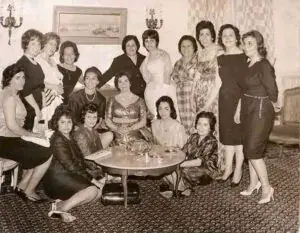
The UNFT has a long history dating back to 1956, when it was founded as a vector for modernist ideas and women's emancipation within the framework of the Tunisian state's project. Over the years, the organization has been close to the government and has benefited from public financing, particularly for employee salaries.
Since 2011, the UNFT has faced several crises related to its budgetary capacities and has sought to establish its independence. Under the presidency of Radhia Jerbi, elected in 2013, the organization has demonstrated resilience and continues to operate despite numerous challenges.
The UNFT has had several notable presidents throughout its history, including Radhia Haddad, who led the organization for 14 years, and Fathia Mzali, who served from 1972 to 1986. Radhia Jerbi has been at the helm of the UNFT for 13 years, making her one of the longest-serving presidents.
The organization's current crisis has sparked concern among its supporters and partners, who consider the UNFT an essential tool for promoting women's rights and social progress in Tunisia. Despite the uncertainty surrounding its future, the UNFT remains committed to its mission and continues to mobilize its members and supporters to ensure its survival.
Key points
- The UNFT faces financial difficulties and internal conflicts that threaten its survival.
- The organization's president, Radhia Jerbi, attributes the crisis to accumulated debts and the suspension of government subsidies.
- Despite challenges, the UNFT remains committed to promoting women's rights and social progress in Tunisia.