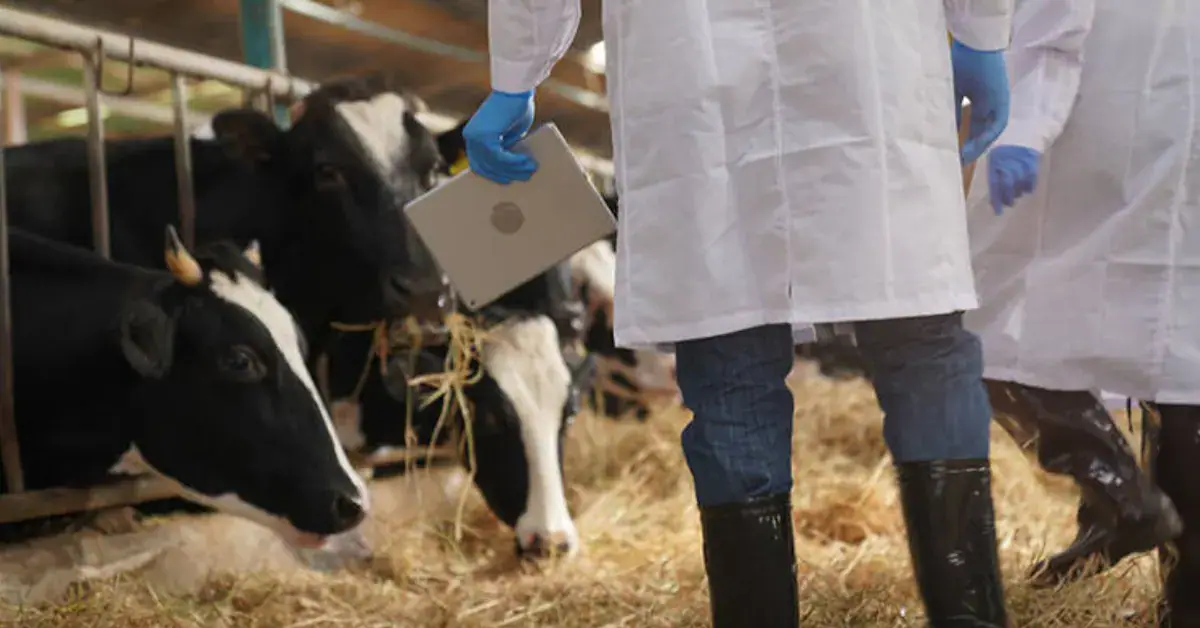
The Tunisian Veterinary Services have issued a call to action for breeders, livestock traders, and others involved in the industry to strengthen bio-security measures within their facilities. This move aims to protect the national livestock from various animal diseases. The services have emphasized the importance of avoiding the introduction or purchase of animals of unknown origin or those not meeting health requirements.
In a statement released on their Facebook page, the General Directorate of Veterinary Services highlighted the need for immediate reporting of any suspected cases or unusual symptoms. The directive includes recommendations for thorough cleaning and disinfection of footwear, clothing, equipment, and vehicles, particularly for individuals frequently moving between farms, such as veterinarians, vaccinators, feed and milk transporters, and livestock traders.
These recommendations come in light of recent regional epidemiological developments. On October 30, 2026, the General Directorate of Veterinary Services conducted a working session with its regional services at the regional delegations for agricultural development. The session focused on enhancing mobilization, health vigilance, and coordination of field interventions to tackle the challenges posed by animal diseases.
The working session underscored the necessity of continued monitoring of the epidemiological situation regarding diseases such as foot-and-mouth disease and other animal diseases, especially those transmitted by insects. The importance of intensifying field and laboratory surveillance and strengthening coordination with the network of private veterinarians was also emphasized to ensure rapid reporting of suspected cases and timely intervention.
Participants at the session stressed the need to prepare regional action plans based on risk analysis, prioritizing cattle fattening workshops, animal gathering points, and markets. Ensuring the availability of necessary human and logistical resources to guarantee continuous monitoring and readiness to intervene during weekends and holidays was also highlighted.
These measures are part of the veterinary services' efforts to protect the national livestock and maintain the gains achieved through the national vaccination campaign. The goal is to enhance preventive work and coordination among various stakeholders involved in animal health.
By urging stricter precautions and enhanced vigilance, the Tunisian Veterinary Services aim to safeguard the country's livestock sector against potential health threats. The sector plays a crucial role in the nation's agricultural economy and food security.
Key points
- The Tunisian Veterinary Services have called for enhanced bio-security measures to protect the national livestock from animal diseases.
- The measures include avoiding animals of unknown origin, immediate reporting of suspected cases, and thorough cleaning and disinfection.
- The efforts aim to maintain the gains of the national vaccination campaign and enhance preventive work and coordination among stakeholders.