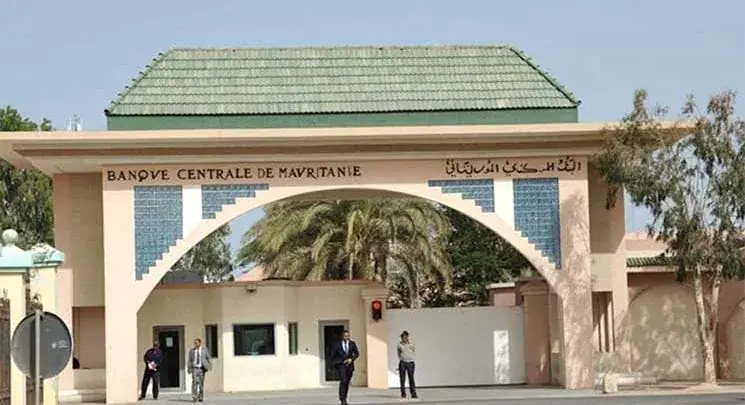
Mauritania's central bank has called for a tighter monetary policy to combat rising inflation, which reached 9.3% in September. The bank's monetary policy council warned that keeping interest rates below the inflation rate, coupled with excess liquidity in banks, could weaken the effectiveness of monetary policy and fuel price pressures. The council noted that the main interest rate of 6.75% translates to a negative real interest rate of around 2.5%.
The council cited the need to address the situation through two channels: interest rates and structural liquidity, to maintain stable inflation expectations. Food prices contributed 6.8 percentage points to the inflation rate, with prices of non-perishable food items also rising steadily since September 2025. The council acknowledged that tightening monetary policy would not directly address supply-side shocks driving price increases but aimed to limit their impact on the broader economy.
The bank's data showed that excess liquidity in banks was significant, with free reserves standing at 4.35 billion ouguiyas as of October 27, more than four times the target level. The bank had intensified liquidity withdrawal operations in October to bring reserves back to the target level. The council also noted that the economy was expected to grow 5.2% in 2026, up from 3.6% in 2025, driven by investment and non-extractive sectors.
However, the council flagged a slowdown in the extractive sector in the third quarter, with iron ore production down 19% and gold production down 6% compared to the previous quarter. Rising oil prices, with Brent crude reaching $114.62 per barrel, posed a risk of increasing the energy bill and transportation costs, potentially leading to imported inflation.
The central bank's main interest rate stood at 6.75% before the meeting, compared to 7% for lending facilities and 2% for deposit facilities. The council emphasized the need for a tighter monetary policy to maintain economic stability and control inflation. The situation in Mauritania reflects the challenges faced by many countries in balancing economic growth with inflation control.
The Mauritanian economy was expected to benefit from investment and non-extractive sectors, but the slowdown in the extractive sector was a concern. The central bank's efforts to manage liquidity and interest rates would be crucial in maintaining economic stability. The bank's actions would also depend on global economic trends, including oil prices.
Overall, the central bank's call for a tighter monetary policy reflects its commitment to controlling inflation and maintaining economic stability in Mauritania. The situation would require careful management to balance growth and inflation objectives.
Key points
- Mauritania's central bank raises concerns over rising inflation and excess liquidity
- The bank aims to address the situation through tighter monetary policy
- Economic growth is expected to pick up in 2026, driven by investment and non-extractive sectors