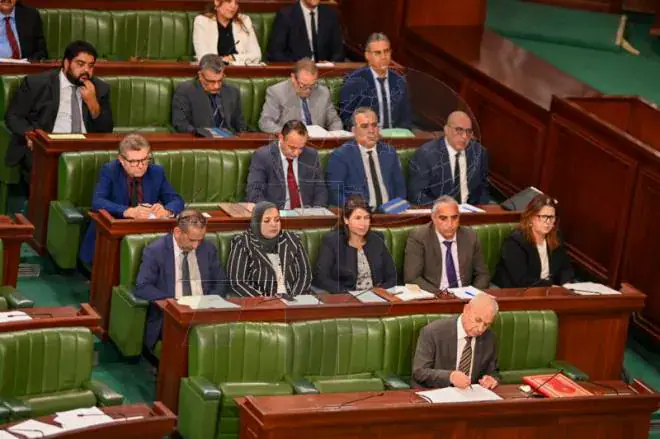
The Tunisian Trade Ministry's 2027 budget has become a focal point of discussion among lawmakers, with concerns centered around rising prices, supply chain disruptions, and market monopolies. Members of the People's Assembly and the National Council of Regions and Districts have called for measures to address these issues, including reforms to distribution channels and a review of the subsidy system. The discussions also touched on the need for enhanced market oversight and penalties for monopolistic practices.
One of the primary concerns raised during the discussions was the steady increase in prices of essential goods, particularly fruits, vegetables, and meat. Lawmakers argued that this has significantly impacted citizens' purchasing power and urged the government to take practical measures to control prices and ensure a steady supply of essential goods. Additionally, they highlighted the shortage of certain subsidized goods, such as vegetable oil, sugar, milk, and flour, and called for improved distribution based on actual needs.
The need for stricter market oversight and penalties for monopolistic practices was also emphasized. Lawmakers stressed that continuous and daily monitoring is necessary to protect consumers and ensure transparent commercial transactions. They also called for reforms to distribution channels, citing the need to reduce the number of intermediaries and prevent price hikes. Furthermore, they suggested implementing mechanisms to protect small farmers, consumers, and traders.
The discussions also touched on the issue of storage and refrigeration facilities, with lawmakers stressing the need for stricter monitoring of food storage and distribution to prevent market manipulation. They also raised concerns about the importation of apples despite local production and called for a review of import licenses. Moreover, they highlighted the need to organize the promotion of local agricultural products and improve market access.
Food safety and quality were also key topics of discussion, with lawmakers expressing concerns about the use of antibiotics in poultry farming and its potential impact on consumer health. They called for stricter controls on meat transportation, storage, and display. Additionally, they raised concerns about the circulation of expired pharmaceuticals and fertilizers, emphasizing the need for enhanced monitoring and penalties for such practices.
At the regional level, lawmakers called for increased support for regional trade administrations, including human resources, vehicles, and equipment. They also emphasized the need for improved coordination between various structures involved in market monitoring and oversight. Furthermore, they discussed the need to review the subsidy system, ensuring that subsidized goods reach their intended recipients and that distribution channels are monitored.
Finally, the discussions touched on the development of export strategies, with lawmakers calling for a focus on promoting local products and enhancing Tunisia's presence in international markets. They also emphasized the need for improved logistics and trade infrastructure, including the development of free trade zones and the organization of international trade events. The implementation of these measures is expected to boost economic growth and enhance Tunisia's competitiveness in the global market.
Key points
- The Tunisian Trade Ministry's 2027 budget has sparked concerns over rising prices, supply chain disruptions, and market monopolies.
- Lawmakers have called for reforms to distribution channels, enhanced market oversight, and penalties for monopolistic practices.
- The discussions also touched on the need for improved food safety and quality, as well as the development of export strategies.
Reporting sources
- Radio Tataouine · Radio Tataouine